

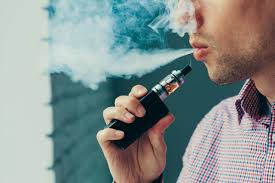
Emerging evidence strongly suggests vaping increases lung cancer risk through DNA damage, oxidative stress, and tumor-promoting inflammation in lung tissue. E-cigarette aerosol contains formaldehyde, acetaldehyde, heavy metals, and nitrosamines at concentrations sufficient to cause cellular damage. A 2026 scientific review concluded vaping is likely carcinogenic based on consistent findings across human, animal, and cell studies. Dual users who vape and smoke carry up to four times higher risk than smokers alone.
According to Dr. Sandeep Nayak, Best cancer treatment in Bangalore, “20-year-old tells me he switched to vaping because it’s safer. Safer doesn’t mean safe. He’s inhaling formaldehyde and nickel into his lungs thinking it’s flavoured water vapour. By the time we have 30 years of data on these kids the damage will already be done.”
Vaping isn’t water vapour. It’s heated chemicals entering lung tissue directly.
What Does Vaping Put Into Your Lungs?
Marketing says vapour. Chemistry says heated aerosol containing compounds that have no business inside human lung tissue.
- Formaldehyde: Heating vape liquid produces formaldehyde at levels five to fifteen times higher than cigarettes in some devices. IARC Group 1 confirmed carcinogen going directly into lungs bypassing every protective barrier the body built for filtering air.
- Heavy metals: Nickel, chromium, lead leach from the heating coil into aerosol every puff. Accumulate in lung tissue over years causing chronic inflammation and DNA mutations. Coils degrade with use and metal release increases the older the device gets.
- Nitrosamines: Same tobacco-specific carcinogens found in cigarette smoke forming from nicotine during the heating process. Present across every brand tested. Concentration varies by device but presence is consistent.
- Oxidative stress: Every study examining vaping found significant oxidative damage in lung cells. Same pathway cigarettes use to cause cancer just arriving through a different delivery system that got better marketing.
Your oncologist discusses all inhalation risks during cancer prevention counseling including vaping alongside smoking.
Why Is This Dangerous for Young People?
Vaping spread fastest among teenagers who’ll carry decades of exposure before cancer has time to show. That generation is the experiment and the data is still catching up.
- Starting at 13-16: Average vaping initiation in Indian cities. Lung tissue still developing at that age. Carcinogen exposure during development causes deeper damage than the same exposure in fully formed adult lungs.
- Decades ahead: 15-year-old vaping daily has 50-60 years of potential exposure. Cigarette data took decades to become undeniable. Vaping is following the same trajectory but marketing convinced an entire generation it was harmless before evidence caught up.
- Dual use trap: Most young vapers also smoke cigarettes. Research shows combination multiplies risk instead of reducing it. Kid who picked up vaping to quit smoking ended up doing both and carrying higher risk than cigarettes alone would have given.
- India reality: E-cigarettes banned since 2019 but available through grey market and online ordering. Students buying disposable vapes at college or importing them assume flavoured mango can’t be dangerous. Flavour doesn’t change the formaldehyde content.
Understanding how HPV vaccine prevents cancer through early action explains why stopping vaping before cellular damage becomes permanent follows the same principle of acting before the disease starts.
Why Choose MACS Clinic?
Why Choose MACS Clinic
Dr. Sandeep Nayak’s team at MACS Clinic asks about vaping specifically during every lung-related consultation because most doctors still only ask about cigarettes. Young patients with respiratory symptoms here don’t get the question skipped because they look too young for lung cancer conversations.
Patient diagnosed with lung cancer here gets honest assessment of every contributing factor including vaping history. Pretending e-cigarettes aren’t part of the risk landscape in 2026 is ignoring five years of evidence building in one direction.
Call +91 8035740000 to book your consultation.
FAQs
Can vaping cause lung cancer?
Emerging evidence strongly links vaping to DNA damage, oxidative stress, and cancer risk.
Is vaping safer than smoking?
Less harmful isn’t safe. Vape aerosol contains confirmed carcinogens including formaldehyde.
Are e-cigarettes banned in India?
Banned for sale since 2019 but widely available through grey market and online.
Does vaping plus smoking increase cancer risk?
Dual users carry up to four times higher lung cancer risk than smokers alone.
References
- E-cigarettes and cancer risk — National Cancer Institute
- Vaping health effects — World Health Organization