

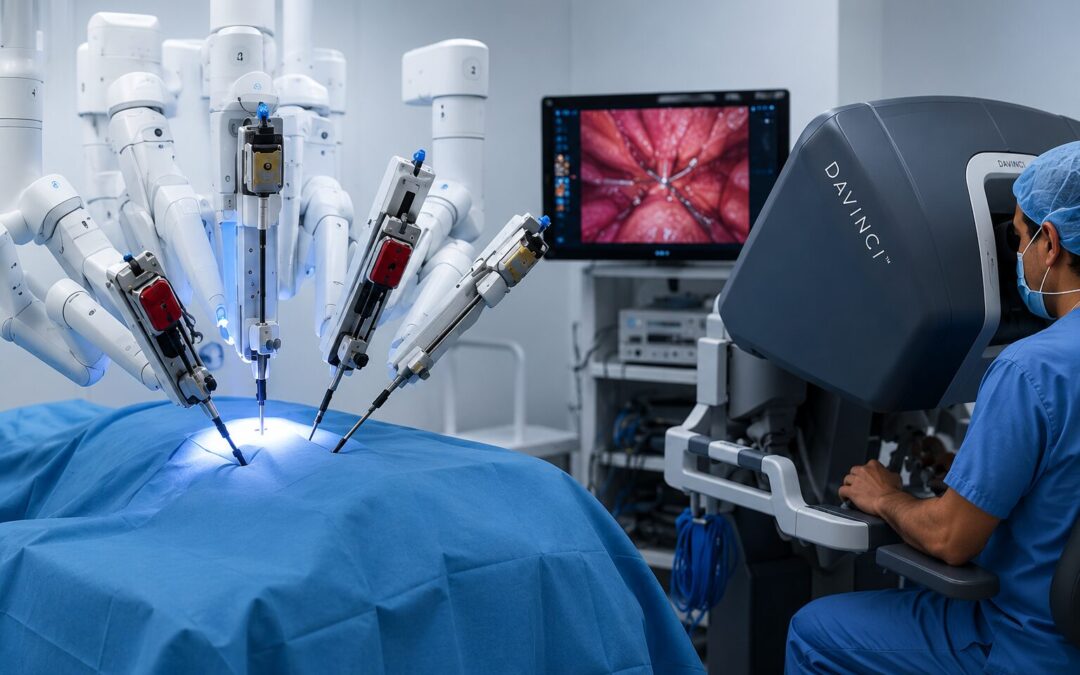
Between 4 lakhs and 8 lakhs. That’s where most robotic rectal cancer surgeries in Bangalore land. But that range covers a lot of ground and what a particular patient actually pays depends on things that aren’t obvious from a brochure.A straightforward case, mid-rectal tumour, no major complications, short ICU stay, sits toward the lower end. A low rectal tumour close to the sphincter, a patient who needs HIPEC alongside rectal surgery, or someone who develops a complication that extends their ICU stay that’s a different number entirely. The figure quoted at booking assumes things go to plan. They usually do. But the estimate is a starting point, not a guarantee.
Dr. Sandeep Nayak, who provides Best Cancer Treatment in Bangalore, is direct about where patients should focus: “Cost is always one of the first questions and it should be. What I’d ask patients to also consider is who is doing the surgery and how often they do it. Robotic rectal surgery is technically demanding. The cost of a complication from a team without the right experience doesn’t appear on the initial quote. It appears later, in a longer hospital stay, in a second procedure, in outcomes that could have been better.”
Want a proper cost estimate based on your specific diagnosis?
What Does Robotic Rectal Cancer Surgery Cost in Bangalore?
|
Procedure |
Estimated Cost Range |
|
Robotic Low Anterior Resection (LAR) |
4 lakhs to 6 lakhs |
|
Robotic Abdominoperineal Resection (APR) |
5 lakhs to 7 lakhs |
|
Robotic ISR (Intersphincteric Resection) |
5 lakhs to 8 lakhs |
|
Robotic Total Mesorectal Excision (TME) |
4 lakhs to 7 lakhs |
|
Robotic Rectal Surgery with HIPEC |
10 lakhs to 18 lakhs |
|
Open Rectal Cancer Surgery (comparison) |
2.5 lakhs to 4.5 lakhs |
These figures cover surgeon fees, anaesthetist, operating theatre, robotic equipment, standard ICU stay, and ward care through discharge. What they don’t cover is pre-operative chemotherapy or radiation, extended ICU stays if complications arise, stoma care supplies, or post-operative chemotherapy. Those need to go into the total treatment budget separately. More on how rectal cancer is treated at MACS Clinic is on the rectal cancer treatment page.
What Actually Drives the Cost Up or Down?
Same surgery, different patients, different bills. Here’s why.
Where the Tumour Sits: Low rectal tumours close to the sphincter are harder to operate on than tumours higher up. The dissection is more complex, operative time is longer, and the skill required is higher. ISR surgery, which tries to preserve the sphincter and avoid a permanent stoma, is among the most demanding rectal procedures and the cost reflects that. Our blog on lumpectomy vs mastectomy covers a similar principle in breast cancer surgery where the tumour sits shapes every decision that follows.
Whether a Stoma Is Part of the Plan: A temporary stoma to protect the bowel join while it heals is common in rectal surgery. A permanent stoma, when sphincter preservation isn’t possible, changes the surgical approach and adds ongoing stoma care costs after discharge. This is one of the reasons ISR matters so much for low rectal tumours avoiding a permanent stoma has real consequences for how someone lives after surgery.
Treatment Before Surgery: Most rectal cancers get chemotherapy and radiation before the operation to shrink the tumour. That neoadjuvant treatment runs over several weeks, costs separately, and changes what surgery looks like when the time comes. It’s part of the total treatment cost that doesn’t show up in the surgical estimate.
How Long ICU Is Needed: One to two days is typical after a routine robotic rectal resection. Complications, complex reconstructions, or patients with significant other health conditions push that longer. ICU is one of the highest per-day costs in any surgical admission and it’s the variable that’s hardest to predict upfront.
The Hospital: Tertiary private hospitals with active robotic surgery programmes cost more than smaller facilities. For a procedure this technically demanding, that difference reflects real infrastructure equipment that’s properly maintained, surgical teams that do this regularly, and the capability to manage complications when they arise. For rectal cancer surgery specifically, experience volume matters.
Why Choose MACS Clinic for Robotic Rectal Cancer Surgery?
Dr. Sandeep Nayak’s team at MACS Clinic performs robotic rectal surgery including ISR, low anterior resection, and abdominoperineal resection on a regular basis. For low rectal tumours where avoiding a permanent stoma is the goal, ISR at MACS Clinic achieves sphincter preservation in the majority of appropriate cases. Smaller incisions, less blood loss, shorter hospital stays, and faster recovery compared to open surgery — the practical differences are real and they affect the total cost as much as the upfront procedure cost does.
For patients where peritoneal involvement makes HIPEC part of the picture, that’s available at MACS Clinic as a combined approach. Every case goes through a multidisciplinary review before the treatment plan is set. Those who want a written estimate based on their actual diagnosis and imaging can reach the team at +91 9482202240.
FAQs
Is robotic surgery worth paying more than open surgery?
For most people, yes. Shorter stay, less blood loss, lower rates of nerve damage affecting bladder and sexual function, faster return to normal life. The upfront difference often closes considerably when total hospital stay is counted.
Does health insurance cover robotic rectal surgery?
Rectal cancer surgery is usually covered under inpatient surgical benefits. Whether the robotic premium is covered or whether the insurer pays at an open surgery rate depends on the specific policy. Worth checking before booking, not after.
What's the difference in cost between ISR and standard resection?
Usually 1 to 2 lakhs more at most centres. For patients where ISR means keeping the sphincter and avoiding a permanent stoma, that difference is small relative to what it changes about life after surgery.
How long is the hospital stay after robotic rectal surgery?
Five to seven days for most patients. Another three to four weeks of home recovery before getting back to normal. Open surgery takes longer on both counts.
Disclaimer: This content is published for educational and informational purposes only.