

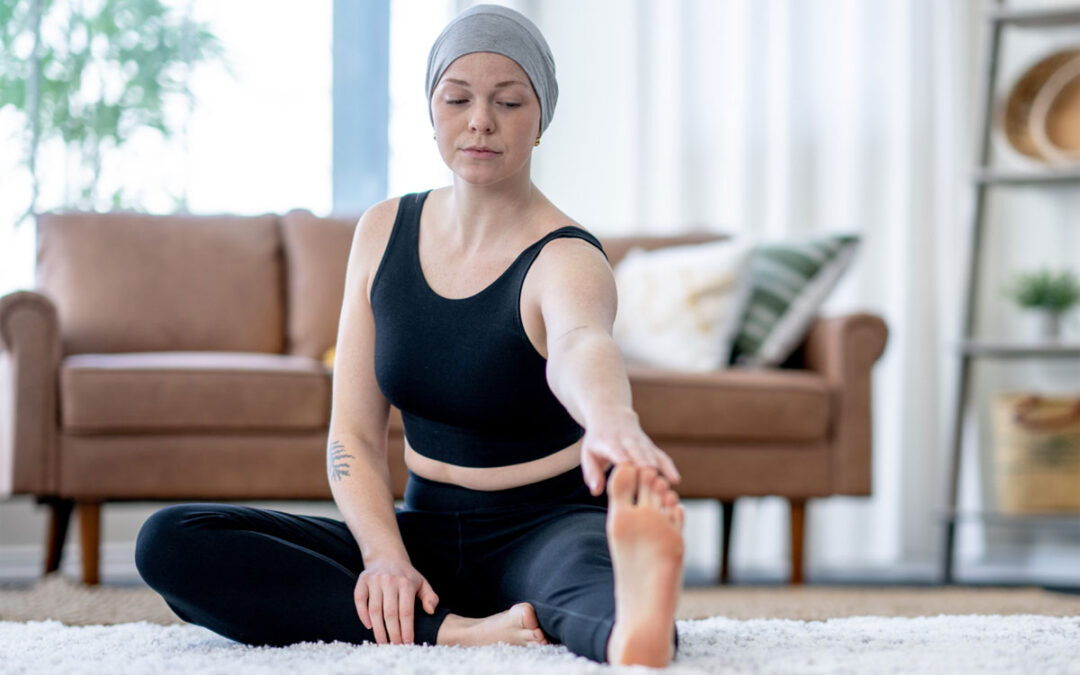
Walking starts within 24-48 hours after cancer surgery and is the single most important early activity for preventing blood clots, bowel recovery, and reducing hospital stay. Low-impact exercises like gentle stretching and light walking resume at 4 weeks and full activity including resistance training returns by 8-12 weeks depending on surgery type. Published guidelines recommend 150 minutes of moderate aerobic activity per week as the long-term target for cancer survivors.
According to Dr. Sandeep Nayak, Best cancer treatment in Bangalore, “Patient goes home after surgery and lies in bed for a month because the family won’t let them move. By the time they come back for chemo they’ve lost muscle, gained weight, and their stamina is worse than the day of surgery. The bed didn’t heal them. It weakened them.”
Rest is recovery. But bed rest beyond the first few days is muscle loss dressed up as caution.
What's Safe and When?
Timeline depends on surgery type, whether it was open or robotic, and how the wound is healing. Start slow, build gradually, and let pain be the guide not fear.
- Day 1-2 after surgery: Short walks in the hospital corridor 2-3 times daily. Five minutes is enough. Gets blood flowing, prevents clots in the legs, wakes the bowel up faster. Patients who walk day one pass gas sooner and go home earlier than those who stay flat in bed waiting to feel ready.
- Week 2-4: Slow walks around the house or building compound increasing to 15-20 minutes daily. No lifting above 5 kg. No bending or straining that puts pressure on the surgical site. Robotic surgery patients progress faster here because smaller wounds hurt less during movement.
- Week 4-8: Walking extends to 30-40 minutes daily. Gentle stretching and range of motion exercises begin. Arm exercises after breast surgery to prevent shoulder stiffness. Core-free movements only after abdominal procedures. This is where most patients hit a wall because they feel fine but the surgeon hasn’t cleared full activity yet.
- Week 8-12 onward: Resistance training with light weights begins after surgeon clearance. Swimming, cycling, yoga become options. Target is 150 minutes moderate activity per week. Patients who reach this level have lower recurrence rates across breast, colon, and prostate cancers in published data.
Your oncologist clears exercise milestones during follow-up visits based on wound healing and recovery progress.
What Should You Avoid?
Exercise after cancer surgery has specific restrictions that protect the wound, prevent complications, and respect the body’s healing timeline.
- Heavy lifting too early: Nothing above 5 kg for 4-6 weeks after abdominal or chest surgery. Hernia at the incision site from lifting a bucket of water or picking up a toddler three weeks post-surgery is a real complication that sends patients back to the operating room.
- High-impact before clearance: Running, jumping, gym machines before 8 weeks. Impact transmits force through the abdominal wall where the surgeon closed layers that haven’t fused completely yet. Robotic patients heal faster but even their fascia needs 6-8 weeks before it trusts load-bearing.
- Ignoring pain signals: Mild discomfort during exercise is expected. Sharp pain, pulling sensation at the wound, or sudden swelling means stop immediately and call the surgical team. Pushing through pain after cancer surgery isn’t discipline. It’s damaging healing tissue.
- Complete inactivity: Worst exercise mistake after surgery is no exercise at all. Lying in bed beyond the first few days causes muscle loss, blood clots, constipation, pneumonia, depression. Indian families that refuse to let the patient walk for fear of “stitches opening” create the exact complications that walking would have prevented.
Understanding how diet during treatment provides the protein muscles need explains why exercise and nutrition work together after surgery because rebuilding strength requires both movement and fuel simultaneously.
Why Choose MACS Clinic?
Dr. Sandeep Nayak’s team at MACS Clinic uses robotic and laparoscopic approaches specifically because smaller wounds allow earlier mobilization and faster return to physical activity. Physiotherapy guidance begins in the hospital itself not weeks later at a follow-up visit.
Patient here gets a graded activity plan with specific milestones for each week after surgery. Because telling someone to “take rest” without defining when rest ends and movement begins is how you get a patient who hasn’t walked in six weeks thinking they’re doing the right thing.
Call +91 8035740000 to book your consultation.
FAQs
When can I start walking after cancer surgery?
Within 24-48 hours. Short corridor walks in hospital reduce clots and speed recovery.
How soon can I return to the gym after surgery?
Resistance training resumes at 8-12 weeks after surgeon clearance depending on surgery type.
Does exercise reduce cancer recurrence?
Yes, 150 minutes weekly moderate activity reduces recurrence in breast, colon, and prostate cancers.
Is bed rest good after cancer surgery?
Beyond the first 1-2 days, prolonged bed rest causes muscle loss, clots, and slower recovery.
References
- Physical activity for cancer survivors — National Cancer Institute
- Exercise guidelines cancer patients — World Health Organization