

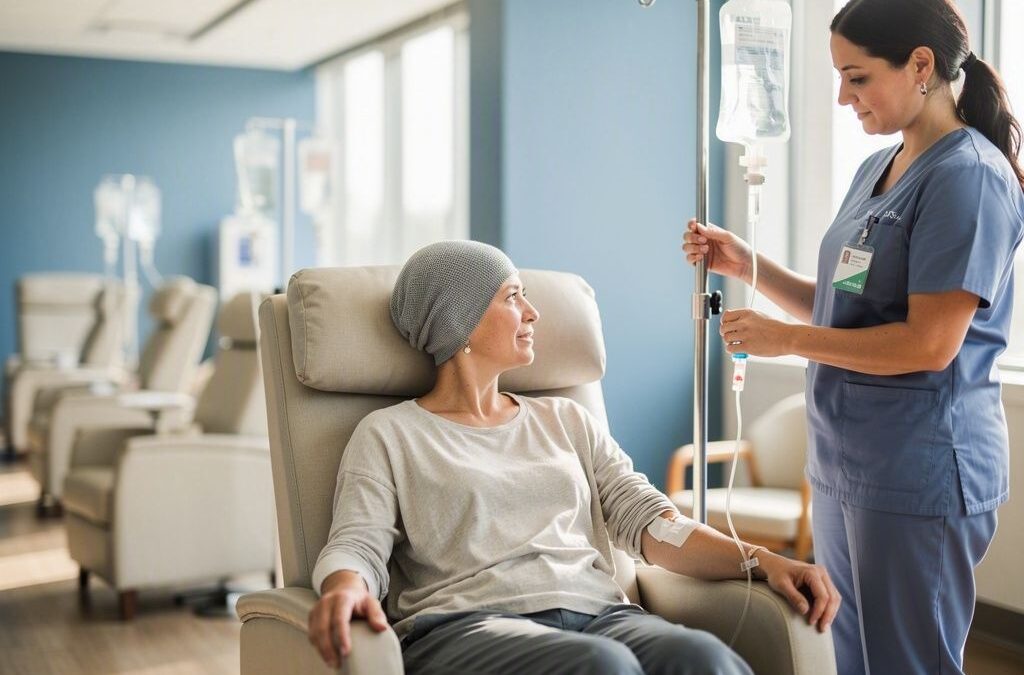
Most people receive somewhere between 4 and 8 chemotherapy cycles, with a full course typically running 3 to 6 months, but that number was never meant to be fixed for everyone. So why does one patient get 4 rounds and another gets 8 for what sounds like a similar diagnosis? Because the number of cycles isn’t a standard dose applied evenly, it’s calculated based on the specific cancer, the goal of treatment, and how the tumor and the patient’s body are actually responding along the way
Dr. Sandeep Nayak, known for the Best Cancer Treatment in Bangalore, explains the logic behind this using the biology itself rather than a rule of thumb. “Each cycle of chemo kills a percentage of cancer cells, not a fixed number, a percentage. That’s called fractional kill. If one cycle kills 99 percent of a tumor, you still need several more cycles to knock down what’s left, because 1 percent of a large number is still a lot of cells. The exact count comes from research on that specific cancer type, not a guess made up on the spot.”
Trying to understand why your own treatment plan calls for a specific number of cycles?
What Actually Determines the Number?
The cycle count gets calculated based on several specific factors working together, not a single standard applied across the board:
- The goal of treatment matters enormously, adjuvant chemotherapy given after surgery to mop up any remaining cells typically runs 4 to 6 months, while chemo treating visible, measurable disease continues based on how the tumor actually responds
- Cancer type drives a lot of the variation too, small cell lung cancer typically calls for 4 to 6 cycles, while testicular cancer, lymphoma, and leukemia protocols can run considerably longer, sometimes up to a year
- Research and clinical trials have already determined the number of cycles that gives the best outcome for most standard protocols, it’s rarely an open-ended decision made cycle by cycle without a target in mind
- How well the tumor responds on interim imaging can extend or occasionally shorten a planned course, since the plan adjusts to what’s actually happening rather than sticking rigidly to a number decided before treatment even started
None of these factors work in isolation. The specific number a patient hears at the start of treatment already reflects most of them combined into one plan.
Why the Number Can Still Change Partway Through?
Why Choose MACS Clinic for Chemotherapy Planning Built Around Your Actual Response?
Dr. Sandeep Nayak’s team sets an initial cycle count based on established protocols for the specific cancer and treatment goal, then genuinely reassesses that plan against interim imaging and how a patient’s body is actually tolerating treatment, rather than running a fixed number regardless of what the results show. When a cycle needs to be delayed or a dose adjusted for safety, that gets explained clearly in the moment, not glossed over as a minor scheduling change. For patients confused by why their own number differs from what a friend with a different diagnosis went through, that explanation starts with the actual clinical reasoning, not a vague reassurance that it’s just how it works.
Want your own treatment plan and cycle count explained clearly? Reach the team at +91 9482202240.
FAQs
Does a higher number of chemo cycles mean a more serious cancer?
Not necessarily, the number reflects the specific cancer type and treatment goal more than severity alone, some standard protocols for early-stage cancers still call for a longer course than others.
Can I ask to stop early if I'm tolerating treatment well?
This is worth discussing directly with your oncologist, but stopping a planned course early based on how well someone feels, rather than actual response data, isn’t generally recommended since it can risk leaving disease behind.
What happens if I can't tolerate the full planned number of cycles?
Your care team can adjust the dose, delay cycles, or in some cases modify the regimen entirely, the goal shifts to completing effective treatment safely rather than rigidly forcing the original plan.
Is the cycle count the same for the same cancer type across all patients?
Generally similar for standard protocols, but individual factors, stage, overall health, and how the tumor responds, can still lead to adjustments even within the same cancer type.
Reference
- Fractional Kill Hypothesis, Wikipedia
- Understanding Chemotherapy for Small Cell Lung Cancer, MACS Clinic
- Chemotherapy vs Surgery: Which Comes First, MACS Clinic
Disclaimer:This content is published for educational and informational purposes only.