

Blogs

Who Should Get a BRCA Test for Breast Cancer?
Brachytherapy is a type of internal radiation therapy used to treat cancer by placing a radioactive source inside or near the tumour. It delivers targeted radiation to cancer cells while helping limit exposure to surrounding healthy tissues. Learn how brachytherapy works, its benefits, types, and potential side effects.

Will a Neck Dissection Affect Shoulder Movement?
Brachytherapy is a type of internal radiation therapy used to treat cancer by placing a radioactive source inside or near the tumour. It delivers targeted radiation to cancer cells while helping limit exposure to surrounding healthy tissues. Learn how brachytherapy works, its benefits, types, and potential side effects.

The Breast Cancer You Cannot Feel: Why Waiting for a Lump Is Waiting Too Long
Both treatments put chemotherapy straight into the abdomen, and that’s about where the similarity ends. One is a long operation done once. The other is a short keyhole procedure repeated every few weeks. Knowing which one fits which patient is the whole question

What Is Brachytherapy and How Does It Work?
Brachytherapy is a type of internal radiation therapy used to treat cancer by placing a radioactive source inside or near the tumour. It delivers targeted radiation to cancer cells while helping limit exposure to surrounding healthy tissues. Learn how brachytherapy works, its benefits, types, and potential side effects.
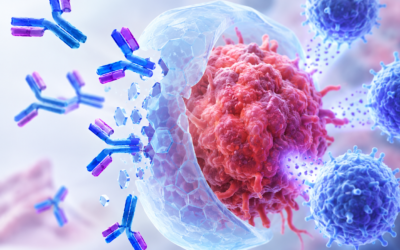
Can Blocking a Tumour’s Shield Improve Treatment?
Tumours can develop protective mechanisms that help them evade the immune system and resist treatment. Learn how blocking these tumour defence mechanisms may improve treatment response, enhance immunotherapy effectiveness, and open new possibilities in cancer care.
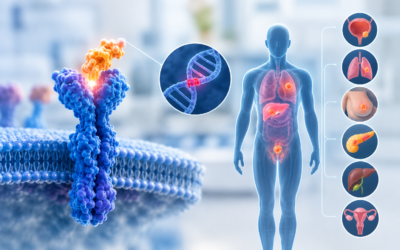
What Is an FGFR Mutation and Which Cancers Does It Affect?
FGFR mutations and gene alterations can affect how cells grow and divide, contributing to the development of certain cancers. Learn what FGFR mutations are, which cancers they are associated with, how doctors identify these genetic changes, and how FGFR-targeted therapies may help guide personalized cancer treatment.
What Is MRD Testing and Why Does It Matter?
Minimal residual disease (MRD) testing is a highly sensitive method used to detect tiny amounts of cancer cells that may remain in the body after treatment. Learn how MRD testing works, which cancers it is used for, how results help guide treatment decisions, and why it matters for monitoring remission and assessing the risk of relapse.

Can Red Light Therapy or Infrared Saunas Affect Cancer Risk?
Red light panels, infrared saunas, they’re everywhere now, and so are the claims. Some say they cause cancer, others say they cure it. The truth is quieter than either, and a few details matter a lot if you’ve had a cancer diagnosis
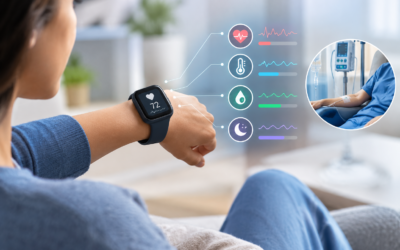
Can Wearables Detect Cancer Treatment Side Effects Early?
Wearable devices such as smartwatches and fitness trackers may help detect early signs of cancer treatment side effects by monitoring heart rate, physical activity, sleep, and other health indicators. Discover how wearable technology can support cancer care, help patients and clinicians track symptoms, and identify potential complications earlier, while understanding its limitations and why medical evaluation remains essential.