

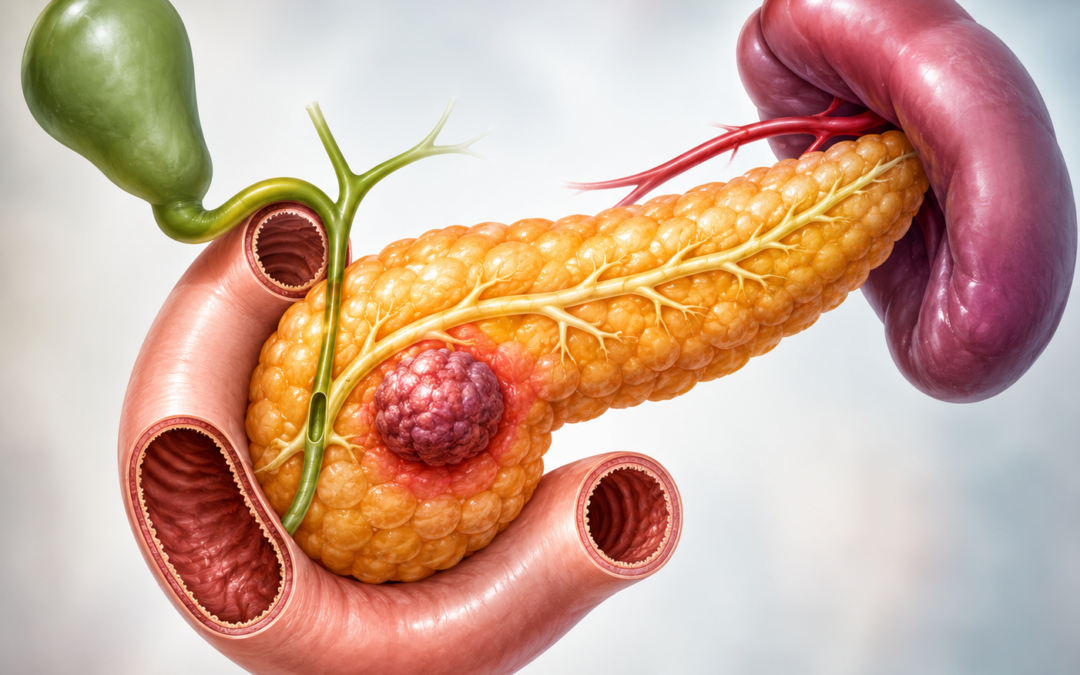
Yes, some can. Not many though. Most pancreatic cysts sit there quietly, never cause a problem, never turn into anything. But a small percentage do carry real risk of becoming cancerous over time, and that’s the part that makes finding one worth taking seriously, even when the odds favor nothing bad happening.
Dr. Sandeep Nayak, Best Cancer Treatment in Bangalore, gets this question constantly. “Patients hear the word cyst and panic immediately, or they hear it’s usually benign and stop paying attention entirely. Neither reaction is right. Most cysts found incidentally on a scan need nothing more than watching. A few specific types need closer monitoring, sometimes intervention. The job is figuring out which kind you actually have, not assuming either way.”
Found a pancreatic cyst on a scan and unsure what it means?
Which Types of Cysts Actually Carry Risk?
Not all pancreatic cysts are the same thing wearing different names. Type matters a lot here.
Serious cystadenomas. Almost always benign. Rarely, if ever, turn cancerous. Usually just get monitored, sometimes not even that closely.
Mucinous cystic neoplasms. These carry real potential to become cancer over time. Location matters too, they show up more often in women, typically in the body or tail of the pancreas. Usually get removed surgically once identified, given the risk involved.
Intraductal papillary mucinous neoplasms, IPMNs. The most common type actually found incidentally these days, thanks to how often imaging gets done now for unrelated reasons. Risk varies a lot depending on where in the duct system they sit and certain features seen on imaging. Some need surgery. Many just need regular monitoring.
Pseudocysts. Not true cysts technically, usually form after pancreatitis. Almost never turn cancerous, though they can cause other problems worth addressing.
How Do Doctors Decide What a Specific Cyst Needs?
A cyst showing up on a scan isn’t the end of the conversation. What happens next depends on several things looked at together.
Size and growth over time. Bigger cysts, and ones that keep growing on repeat imaging, get watched more closely or moved toward intervention sooner than small, stable ones.
Specific imaging features. Certain characteristics on MRI or CT, thickened walls, solid components inside the cyst, changes in the pancreatic duct, all raise concern and push toward more aggressive evaluation.
Symptoms, if any. Pain, unexplained weight loss, or jaundice alongside a cyst changes the picture considerably compared to something found with zero symptoms during an unrelated scan.
Fluid analysis when needed. Sometimes fluid gets drawn from the cyst using a needle, then tested for specific markers that help distinguish low risk from higher risk types. Our blog on why is pancreatic cancer usually found so late covers why catching anything pancreatic related early matters so much given how quietly this organ tends to behave.
Why Choose MACS Clinic for Pancreatic Cyst Evaluation?
Dr. Sandeep Nayak’s team at MACS Clinic doesn’t treat every pancreatic cyst the same way, because they aren’t the same thing. Imaging gets reviewed carefully, cyst type gets identified as precisely as possible, and the plan, whether that’s watching or acting, gets built around what that specific cyst actually is.
For cysts requiring surgery, minimally invasive approaches are used wherever the location and complexity allow. Found a pancreatic cyst and want it properly evaluated? Reach the team at +91 94822022
FAQs
Should every pancreatic cyst be removed just to be safe?
No. Most don’t need removal at all, just monitoring. Surgery carries its own risks, so it only makes sense when a cyst shows features that genuinely suggest higher cancer risk.
How often does a cyst get rechecked once found?
Depends on the type and size. Some get imaged again in six months, others once a year, some less often than that. The specific interval gets decided based on what the cyst looks like initially.
Can a benign cyst turn dangerous later even if it looks fine now?
Rarely, but it happens with certain types, which is exactly why monitoring continues rather than stopping after one clear scan.
Does having a pancreatic cyst mean higher risk of pancreatic cancer generally?
Having certain cyst types can slightly raise that risk, yes, but it’s not the same as already having cancer. Most people with a monitored cyst never develop pancreatic cancer at all.
Disclaimer:This content is published for educational and informational purposes only.