

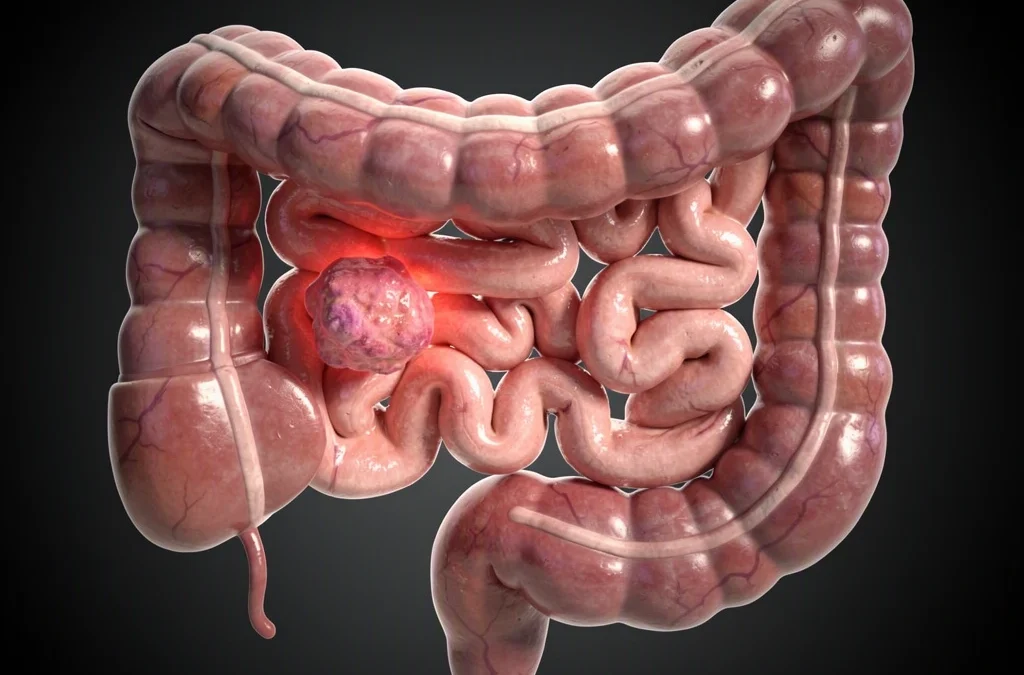
Early colon cancer often causes no symptoms at all, which is why screening matters so much. When signs do appear, they’re usually a change that doesn’t go away: different bowel habits, blood in the stool, belly pain, or feeling tired for no clear reason. Any one of them can have an ordinary cause, but if it lasts more than a couple of weeks, it’s worth getting checked.
Dr. Sandeep Nayak, who provides cancer treatment in Bangalore, says the problem is that people explain everything away. “Piles for the blood, acidity for the pain, a busy month for the tiredness. And they’re often right. But when the change doesn’t settle, stop guessing. A colonoscopy looks at the whole bowel, and when we catch it early, a keyhole operation is often all that’s needed.”
Persistent changes in bowel habits deserve medical attention—get evaluated early to understand the cause and rule out serious conditions.
Early Signs of Colon Cancer to Watch For?
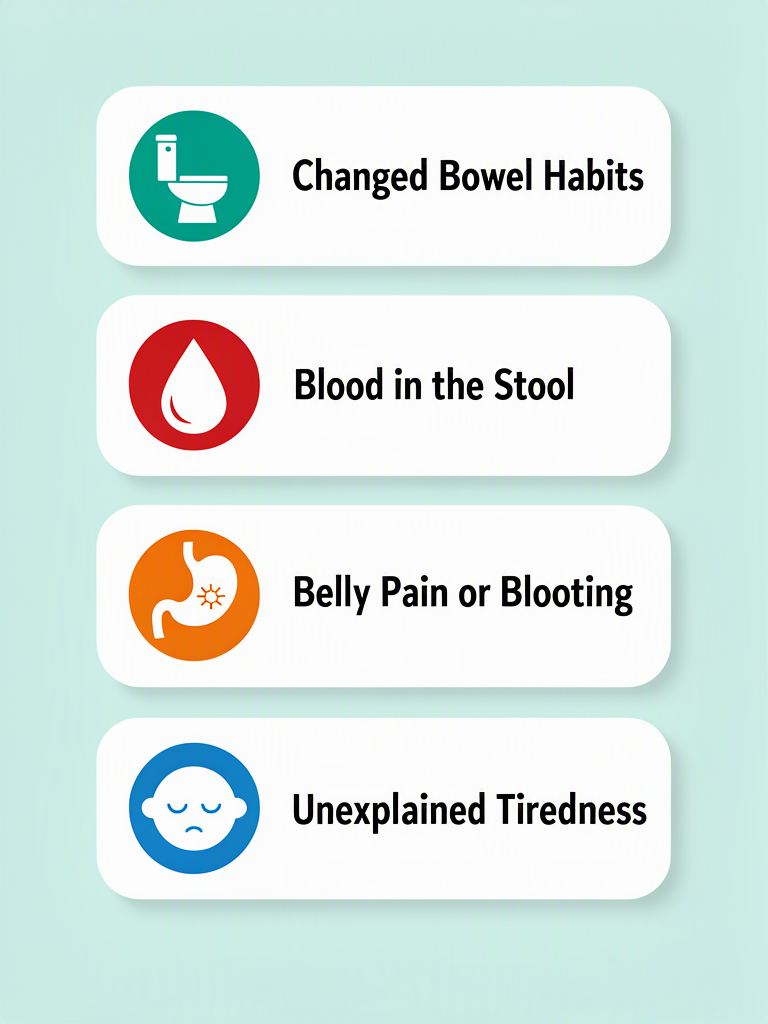
None of these means cancer on its own. It’s the fact that they stick around that matters:
- Bowel habits that change and stay changed. Diarrhea, constipation, thinner stools than usual, or feeling like you haven’t finished. A few days of upset stomach is normal. A few weeks isn’t.
- Blood in the stool. It might be bright red, or dark and tarry. Piles are the usual cause, but you can’t tell by looking, and in one large study of younger adults, rectal bleeding was the symptom most strongly linked to colon cancer.
- Belly pain, cramps or bloating that keep coming back, with no clear link to food. People often put this down to gas.
- Tiredness that has no obvious reason. Slow bleeding you can’t see can lead to low iron, which leaves you worn out and short of breath. Low iron with no clear cause should always prompt a look at the bowel. Our colon cancer treatment in Bangalore page explains how it’s found and treated.
Colon Cancer Warning Signs You Shouldn’t Wait On?

Some things deserve quicker action than others:
- Two or more together count for more. In a large study of adults under 50, abdominal pain, rectal bleeding, diarrhea and iron-deficiency anemia were the most common red flags before diagnosis, and having two of them roughly tripled the chance of cancer.
- Weight loss with no reason, or a bowel that never feels empty, are signs to take seriously. Severe belly pain with vomiting, when you can’t pass stool or gas, is an emergency and needs a hospital visit the same day.
- Being young doesn’t protect you. Colon cancer in people under 50 has been rising, and about half of these cancers are found in people under 45. Younger patients are also more likely to put symptoms down to something else.
- No symptoms? Screen anyway. Many guidelines now start screening at 45 for average risk, and earlier if a parent or sibling had it, usually about ten years before their age at diagnosis. Polyps and inflammatory bowel disease can also bring it forward. Our rectal cancer treatment in Bangalore page covers cancers lower down the bowel, which cause similar symptoms.
What Determines the Right Treatment Approach?
If colon cancer is found, the plan depends on a few things:
- The stage. How deep it has grown into the bowel wall, whether lymph nodes are involved, and whether it has spread. An early cancer is often cured by surgery alone. Later ones usually add chemotherapy.
- Where it sits and what the tumour is like. Tests on the tumour, such as MSI status and gene changes, help decide which drugs are likely to work. Our precision oncology service covers this testing.
- Whether it’s blocking the bowel or bleeding. If it is, the first step may be to relieve the blockage or stop the bleeding before anything else.
- Your general health. Fitness, other conditions and age affect whether keyhole or robotic surgery and chemotherapy are safe for you.
- Your family history and genes. An inherited condition such as Lynch syndrome can change how much bowel is removed and means relatives should be checked too. Our genetic counselling page explains how that works.
Key Takeaways
-
Early colon cancer often causes no symptoms, so screening is what finds it.
-
When symptoms do show up, they usually look like a change that doesn’t go away: bowel habits, blood in the stool, belly pain or unexplained tiredness.
-
Two or more symptoms together, or any of them lasting more than a couple of weeks, should be checked, whatever your age.
-
Screening usually starts at 45 for average risk, and earlier with a family history.
-
For questions about your own situation, you can contact the clinic at +91 9482202240.
FAQs
Can you have colon cancer without any symptoms?
Yes, and it’s common in the early stages. Many early cancers and the polyps that lead to them are found only on a screening test. That’s the main reason screening exists.
Is blood in the stool always piles?
No. Piles are the most common cause, but you can’t tell the cause by looking. If the blood keeps coming back, is dark, or comes with a change in bowel habits or tiredness, get it checked rather than assume.
At what age should I start screening for colon cancer?
For average risk, many guidelines say 45. If a parent or sibling had colon cancer, doctors often advise starting earlier, usually about ten years before their age at diagnosis. Polyps or bowel inflammation can also bring it forward.
What test checks for colon cancer?
A colonoscopy is the main one. It lets the doctor see the whole colon, and polyps can be removed during the same test. Stool tests and blood tests for low iron can point to a problem, but a colonoscopy is what confirms it.
Reference
- Colorectal Cancer in Young People: Warning Signs, National Cancer Institute (Cancer Currents)
- Colorectal Cancer Screening Shifts as Cases Rise in Adults Under 50, CURE
- Four Signs That a Young Adult Might Have Colon Cancer, HealthDay
Disclaimer:This content is published for educational and informational purposes only.