

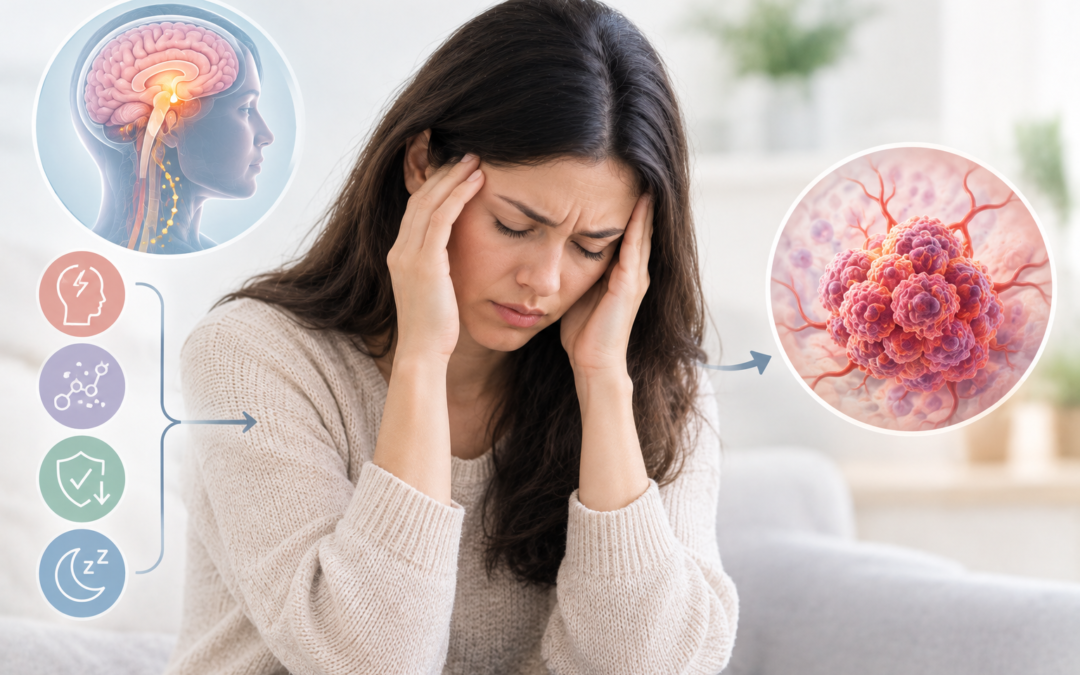
Chronic stress doesn’t cause cancer on its own, but it builds the kind of internal environment where cancer risk goes up and existing tumors have an easier time growing. So what does that actually mean once someone already has a diagnosis, not just as a general risk factor beforehand? That’s the part people ask about less, and it’s arguably more relevant for someone sitting in active treatment than the broader causation question.
Dr. Sandeep Nayak, known for the Best Cancer Treatment in Bangalore, sees this question shift once a patient is already living with a diagnosis. “Before treatment starts, people want to know if stress caused their cancer. Once they’re in it, the question changes to whether stress is making things harder right now. That second question actually has a clearer answer. Chronic stress can measurably affect immune function and treatment tolerance while someone’s actively fighting cancer, not just in some abstract way before it ever started.”
Managing stress during an active cancer diagnosis?
What Stress Actually Does Once Cancer Is Already There?
The mechanisms shift somewhat once a tumor already exists, and the research here focuses more on progression than origin:
- Elevated cortisol and stress hormones have been linked to reduced natural killer cell activity, the immune cells most directly responsible for identifying and attacking cancer cells circulating in the body
- Some laboratory research suggests stress hormones can influence signaling pathways that affect tumor cell survival and, in certain cancer types, how readily cells might spread to other locations
- Chronic stress has been associated with poorer treatment adherence and tolerance, patients under heavy psychological strain sometimes struggle more with completing chemotherapy or radiation schedules as planned
- None of this means stress alone drives recurrence or progression, general stress and cancer risk works through different, broader mechanisms than what’s being studied specifically in active disease
This is still an evolving area of research, not settled science with a single clear mechanism proven beyond doubt.
Why This Matters More During Active Treatment Than People Expect?
Why Choose MACS Clinic for Whole-Person Cancer Care?
Dr. Sandeep Nayak’s team treats stress management as part of active cancer care, not a separate wellness track disconnected from the actual treatment plan, since sleep, nutrition, and psychological strain all sit inside pathways that genuinely affect how well a patient tolerates chemotherapy or radiation. That means specific, actionable guidance rather than a generic instruction to relax, built around what a patient’s own days actually look like during treatment. For patients managing high stress alongside a new or ongoing diagnosis, this gets addressed directly in treatment planning, not left for a patient to figure out on their own after the fact.
Navigating stress alongside an active cancer diagnosis? Reach the team at +91 9482202240.
FAQs
Can reducing stress actually shrink a tumor or slow its growth on its own?
No, there’s no evidence stress management alone treats cancer. It supports overall resilience and treatment tolerance, but it doesn’t substitute for actual cancer treatment.
Does this mean stress caused my cancer to come back after treatment?
Not directly, and it’s important not to blame stress alone for a recurrence. Many factors contribute to recurrence, and stress is one piece within a much larger picture.
Is it worth addressing stress even during active chemotherapy?
Yes, given the links to sleep, appetite, and treatment tolerance, addressing stress during treatment is genuinely part of supportive care, not something to postpone until treatment ends.
Should I feel guilty if I was stressed and now have cancer or a recurrence?
No. Stress is one contributing factor among many, and guilt doesn’t reflect how multifactorial cancer development and recurrence actually are.
References
-
National Cancer Institute (NCI) — Stress and Cancer
The NCI explains that evidence linking chronic stress directly to developing cancer is unclear, while laboratory and animal studies suggest chronic stress may influence tumor growth and spread. Cancer.gov
NCI — Stress and Cancer -
American Cancer Society — Common Questions About Causes of Cancer
States that there is currently no clear evidence that stress level directly affects a person’s risk of developing cancer. American Cancer Society
American Cancer Society — Cancer Risk Questions
Disclaimer:This content is published for educational and informational purposes only.