
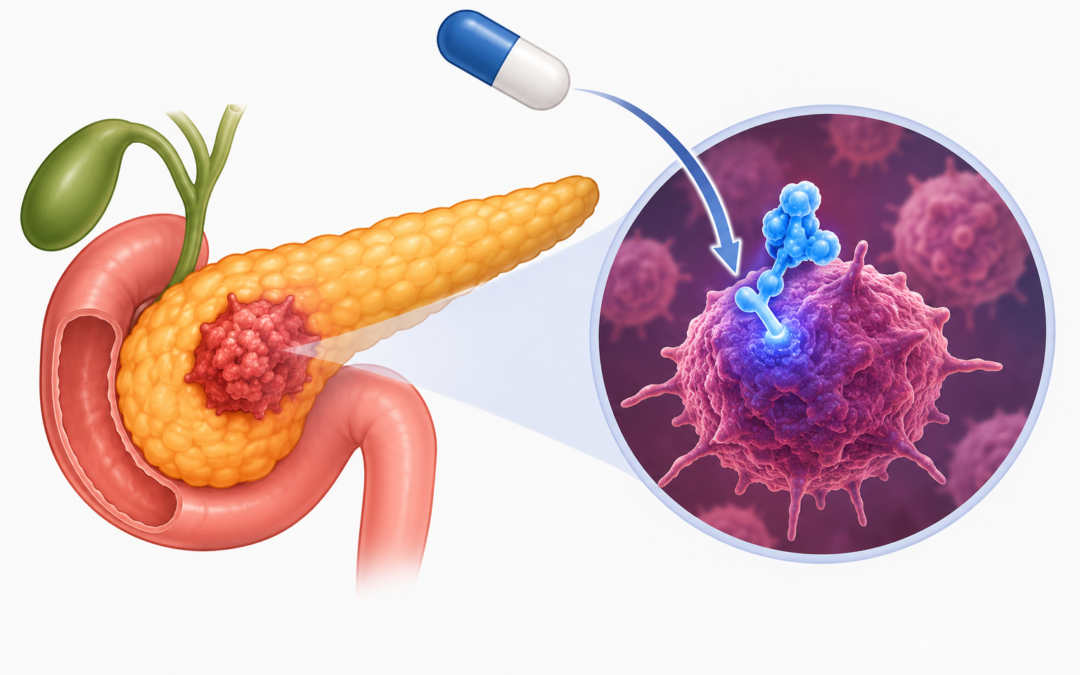
Daraxonrasib, sold under the brand name Rasonque, is a first-in-class, once-daily oral drug the FDA approved in August 2026 for adults with metastatic pancreatic adenocarcinoma who’ve already tried at least one prior treatment or aren’t candidates for standard multi-drug chemotherapy. So what actually makes this approval such a big deal in a disease that’s had painfully few real advances? It’s the first targeted drug ever approved that goes directly after RAS, the mutated protein driving more than 90 percent of pancreatic cancers, something researchers have been trying to crack for decades.
Dr. Sandeep Nayak, known for the Best Cancer Treatment in Bangalore, has been following the RAS-targeting research closely for years, mostly because pancreatic cancer has resisted this kind of approach for so long. “RAS mutations have been called undruggable for about as long as I’ve been practicing. Seeing an approved drug that actually blocks that pathway, and in a Phase 3 trial nearly doubling median survival compared to chemotherapy, that’s not incremental. That’s the kind of result that changes how we think about second-line treatment for this specific cancer.”
Want to know how a development like this applies to your own treatment plan?
What the Approval Is Actually Based On?
The data behind this approval came from a genuinely large, well-run trial, not a small early study getting ahead of itself:
- The Phase 3 RASolute-302 trial found patients on daraxonrasib had a median survival of 13.2 months, compared to 6.7 months for those on standard chemotherapy, roughly doubling survival time
- Unlike a lot of targeted therapies, this approval doesn’t require a companion diagnostic test confirming a specific RAS mutation, it’s approved for metastatic pancreatic adenocarcinoma broadly, with or without a confirmed mutation
- It’s taken as a 300 milligram oral tablet once daily, a meaningful shift from infusion-based chemotherapy regimens that require regular hospital or clinic visits
- The drug is specifically approved for patients who’ve already had prior systemic therapy, not as an upfront first treatment, which matters for understanding where it actually fits in a treatment sequence
None of this makes daraxonrasib a cure, and it isn’t approved as a first-line option. What it represents is a genuinely new tool for a stage of treatment that previously had very limited options.
What This Actually Means for Patients Right Now?
Why Choose MACS Clinic for Advanced Pancreatic Cancer Care?
Dr. Sandeep Nayak’s team tracks developments like this closely and factors newly approved options into treatment planning conversations as soon as they become clinically relevant, rather than defaulting to older protocols out of habit. For patients already in treatment, that means an active conversation about whether a new approval like daraxonrasib genuinely changes their next steps, not a wait-and-see approach that leaves patients to bring up new research themselves. Staying current on rapidly changing pancreatic cancer treatment options is treated as a core part of ongoing care, not a one-time conversation that happens only at diagnosis.
Want to discuss how new treatment options might apply to your own case? Reach the team at +91 9482202240.
FAQs
Is daraxonrasib available as a first treatment for pancreatic cancer?
No, it’s currently approved for patients who’ve already had at least one prior systemic therapy or aren’t candidates for standard multi-drug chemotherapy, not as an upfront first-line option.
Do I need genetic testing to see if I qualify for this drug?
No, the approval doesn’t require a companion diagnostic test confirming a specific RAS mutation, which is somewhat unusual for a targeted therapy and broadens who might be eligible.
How much does daraxonrasib actually improve survival?
In the Phase 3 trial supporting its approval, median survival was 13.2 months compared to 6.7 months with standard chemotherapy, roughly doubling survival time in that study.
Is this drug covered by insurance yet?
Coverage is still settling in following such a recent approval, so it’s worth confirming directly with your insurer or care team rather than assuming standard coverage applies immediately.
References
- FDA: FDA approves daraxonrasib for metastatic pancreatic adenocarcinoma
- American Association for Cancer Research: Daraxonrasib Approved for Pancreatic Cancer
- Revolution Medicines: U.S. FDA Approves RASONQUE (daraxonrasib)
- Memorial Sloan Kettering Cancer Center: FDA Approves Daraxonrasib for Pancreatic Cancer
Disclaimer:This content is published for educational and informational purposes only.