

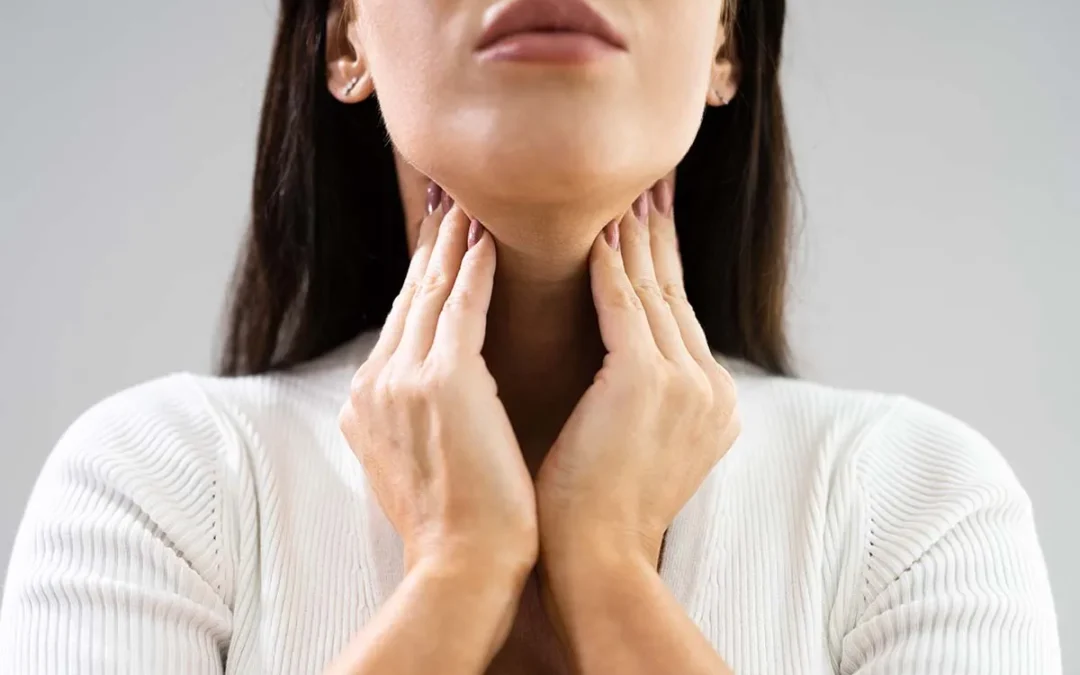
Swollen lymph nodes most commonly result from infections as the immune system filters and fights bacteria or viruses. Infection swelling is painful, soft, and resolves within 2-3 weeks. Cancer-related swelling is painless, hard, immovable, and grows progressively without resolving. Less than 1% of biopsied nodes turn malignant but knowing which features separate infection from cancer determines whether you need time or a biopsy.
According to Dr. Sandeep Nayak, Best cancer treatment in Bangalore, “Patient finds a neck lump while shaving and convinces himself it’s cancer. Nine times out of ten it’s a reactive node from a throat infection that vanishes in two weeks. But the tenth time it’s lymphoma and that’s the one you miss by assuming all ten were infections.”
Most swollen nodes are infections resolving themselves. Some are cancer hiding in plain sight.
What Causes Lymph Nodes to Swell?
Nodes swell whenever the immune system works harder than usual. The cause decides whether you wait, take antibiotics, or get a biopsy.
- Infections: Cold, sore throat, ear infection, dental abscess cause nearby nodes to enlarge. Swelling is painful, soft, moves when pushed, settles when infection clears. Taking antibiotics from the medical store without confirming bacterial cause delays proper evaluation if it’s something else.
- Immune conditions: Rheumatoid arthritis, lupus, HIV cause generalised swelling across multiple regions simultaneously. Nodes enlarge because the immune system is chronically activated not because cancer is present. Needs blood work not panic.
- Cancer: Lymphoma starts inside the node itself. Metastatic cancer arrives from a tumor elsewhere. Both present as painless, firm, rubbery nodes growing over weeks without responding to antibiotics. Hard node in the neck of a gutka user is oral cancer metastasis until FNAC says otherwise.
- Reactive residual: Nodes sometimes stay enlarged weeks after infection resolves especially in children. This is the immune system’s slow cooldown not active disease. A 1 cm node in a child who had tonsillitis three weeks ago usually needs observation not biopsy.
Your oncologist evaluates persistent nodes through cancer diagnostics including ultrasound and FNAC when features warrant.
When Should You Worry?
Not every swollen node needs investigation. Specific features should trigger a doctor visit within the week.
- Painless and hard: Infection nodes hurt. Cancer nodes usually don’t. Painless hard lump in neck, armpit, or groin that doesn’t move when pushed is the combination raising suspicion. People worry about painful ones when it’s the painless ones deserving more attention.
- Growing beyond 2-3 weeks: Infection nodes shrink as you recover. Node bigger at week three than week one or appearing without preceding illness needs ultrasound at minimum. Waiting beyond four weeks to investigate a growing node exceeds what evidence recommends.
- Red flag symptoms: Unexplained weight loss, night sweats soaking the bedsheet, persistent fever without infection source. B-symptoms combined with node swelling is the classic lymphoma presentation every oncology textbook opens with.
- Location matters: Supraclavicular nodes above the collarbone rarely swell from infections. Left supraclavicular swelling called Virchow’s node can signal abdominal cancer spread through the thoracic duct. Any supraclavicular node warrants urgent evaluation regardless of other features.
Understanding how metastatic cancer spreads through lymphatics explains why nodes are often the first place cancer cells land and why persistent swelling sometimes reveals cancer imaging hasn’t caught yet.
Why Choose MACS Clinic?
Dr. Sandeep Nayak’s team at MACS Clinic performs ultrasound-guided FNAC of suspicious nodes at the first consultation. Result comes within 48 hours so the patient isn’t spending weeks wondering whether the lump is infection or cancer.
Benign node gets reassurance the same week. Malignant node gets staging and treatment started before the anxiety becomes the patient’s entire world.
Call +91 8035740000 to book your consultation.
FAQs
Are swollen lymph nodes always cancer?
No, infections cause over 90%. Cancer accounts for less than 1% of biopsied nodes.
When should I see a doctor for swollen nodes?
If painless, hard, growing, persisting beyond 2-3 weeks, or with weight loss and night sweats.
What test checks suspicious lymph nodes?
Ultrasound-guided FNAC provides results within 48 hours with high diagnostic accuracy.
Which node location is most concerning?
Supraclavicular nodes above the collarbone rarely swell from infections and need urgent evaluation.
References
- Lymph nodes and cancer — American Cancer Society
- Lymphadenopathy evaluation — World Health Organization