

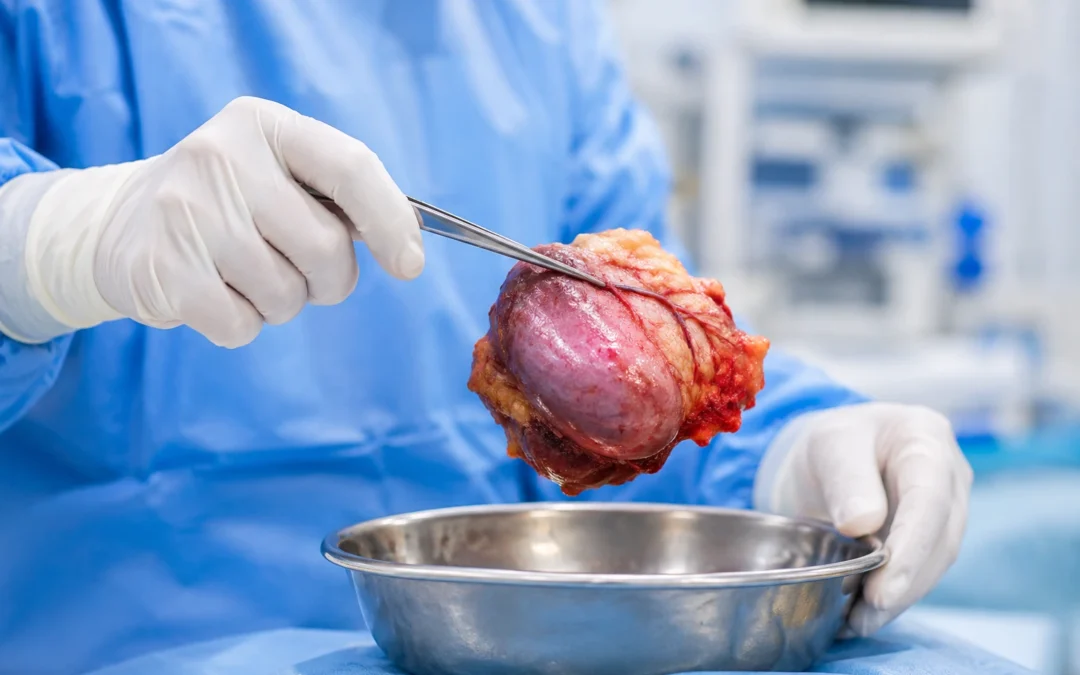
The removed organ or tumour is labelled and sent straight to the pathology lab, where a pathologist examines it, preserves it and studies thin slices under a microscope. That work confirms the exact type of cancer, whether the edges are clear and whether any lymph nodes are involved, and the results come back as a pathology report, usually within a few days, that guides what treatment comes next. Small pieces are then stored for years in case they are needed again, and whatever is left is disposed of as regulated medical waste.
Dr. Sandeep Nayak, who provides cancer treatment in Bangalore at MACS Clinic, says, “Nothing that comes out of the operating theatre is simply thrown away. The specimen is labelled, sent to pathology and examined carefully, because what the pathologist finds decides what happens next. It tells us the exact type of cancer, whether the edges were clear and whether any lymph nodes were involved.”
For how a quick check can happen during the operation, see What Is Frozen Section Testing in Cancer Surgery?
What Happens to Organs Removed During Cancer Surgery?

- It is labelled straight away. In the operating theatre the specimen is placed in a container with your details, so it cannot be mixed up with anyone else’s.
- The surgeon marks which side is which. Stitches or clips are often placed on the specimen so the pathologist knows its top, bottom and edges. That matters later when the margins are checked.
- Sometimes it is tested while you are still on the table. If the next surgical step depends on the answer, a piece is sent fresh for a quick check that takes about twenty to thirty minutes. Most specimens skip this and go straight to the lab.
- It is usually placed in formalin. This preserves the tissue so it does not break down on the way to the lab.
- It travels to pathology the same day. Specimens are delivered with a form describing the operation, the site and the suspected diagnosis, so the pathologist knows what to look for.
What Happens to a Tumour After It Is Removed?

- The pathologist examines it by eye first. The specimen is measured and weighed, the edges are marked with ink, and it is cut into slices. Lymph nodes are found and counted.
- It is preserved and processed. After fixing in formalin, selected pieces are set in paraffin wax and sliced thinner than a hair, then stained so the cells show up under the microscope.
- The slides are read under the microscope. The pathologist records the type and grade of the cancer, how deep it went, whether the margins are clear and whether the nodes are involved.
- Extra tests may follow. Receptor status, HER2 or MSI and mutation tests help decide on drug treatment, and precision oncology uses them to choose therapy.
- The report usually takes days. Often three to seven days, and up to about two weeks when special tests are added. The staging is then confirmed from the surgical findings.
- The samples are stored. Labs keep the wax blocks and slides for years, so they can be rechecked, tested again or sent for a second opinion.
- What is left is disposed of. Remaining tissue is eventually disposed of as regulated biomedical waste, usually by incineration, under national rules.
For what a clear report does and does not mean, the previous blog on whether cancer can come back after surgery explains it.
What Determines What Happens to the Removed Organ After Cancer Surgery?
- The type of surgery and specimen. A small biopsy, a lymph node and a whole organ are handled a little differently in the lab.
- Whether a quick check is needed during surgery. If the operation depends on an immediate answer, part of the specimen goes for a rapid check before the rest is processed.
- Which tests the tumour needs. The cancer type decides whether receptor, molecular or other tests are added.
- The lab and its rules. How long samples are stored, and how the paperwork is handled, depends on the laboratory’s policy and local regulations.
- Your consent and wishes. Use of tissue for research or teaching needs your consent. If you would like to see or take the specimen, ask your surgical team before the operation, since policies vary.
- Discussion between surgeon and pathologist. They compare notes, particularly on margins and difficult cases.
- Risks and limits. The report is the pathologist’s best reading, and borderline cases may need extra tests or a second opinion. Results cannot be rushed, and no test is perfect.
Key Takeaway
The removed organ or tumour goes to the pathology lab, is preserved, cut and studied under a microscope, and the results decide what treatment comes next. Samples are kept for years, and what remains is disposed of as regulated medical waste. Questions about your own report are best discussed with your treating surgeon.
Frequently Asked Questions
1.Can I see or keep the removed organ?
Usually not, but policies vary. If you have a wish, ask your surgical team before the operation.
2.How long does the pathology report take?
Usually three to seven days, and up to about two weeks if special tests are added.
3.How long are the samples kept?
For years. The exact period depends on the lab’s policy and local rules.
4.Can another doctor review my slides?
Yes. Slides and wax blocks can be sent for a second opinion.
Disclaimer
This article is for patient education only. It is not medical advice and does not replace consultation with a qualified doctor. Procedures and timelines differ between hospitals and laboratories.