

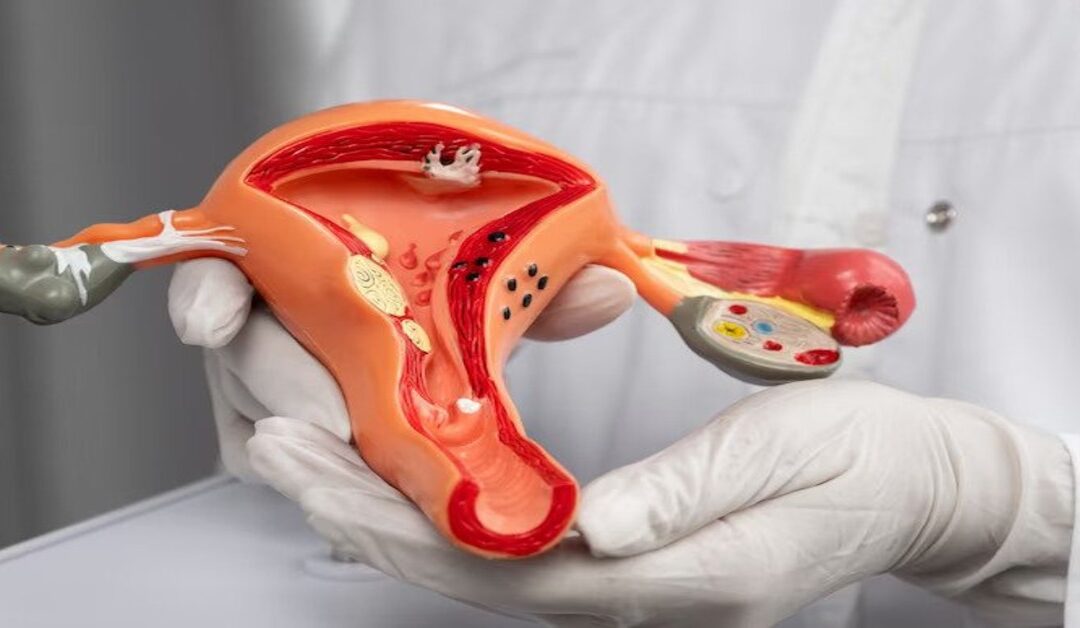
Persistent abdominal bloating, pelvic or lower abdominal pain, difficulty eating or feeling full quickly, and increased urinary frequency are the four primary warning signs of ovarian cancer. These symptoms show up almost daily for more than two to three weeks and won’t respond to dietary changes or routine medication. Ovarian cancer is the third most common gynecological cancer in India with five-year survival above 90% at Stage I dropping below 30% at Stage III-IV.
According to Dr. Sandeep Nayak, Ovarian Cancer Treatment in Bangalore, “Gets called the silent killer but it’s not actually silent. Symptoms are there, they’re just common enough that women and doctors both write them off as gas or acidity until the disease has already spread.”
Don’t wait for pain to tell you something’s wrong
What Symptoms Should Women Watch For?
Ovarian cancer symptoms mimic everyday digestive complaints. Difference is persistence, not the symptom itself.
- Persistent bloating: Not the kind that comes and goes with meals. Daily distension lasting weeks that doesn’t budge no matter what you eat or avoid. When your sarees and salwar suddenly feel tight around the waist and nothing dietary explains it, that version needs checking.
- Pelvic pain: Dull constant ache in lower abdomen that stays put and doesn’t follow your menstrual cycle. Different from period cramps which come and go. This one parks itself and gradually gets worse over weeks without any obvious reason.
- Urinary changes: Running to the bathroom more often or feeling urgent pressure when bladder isn’t even full. Growing ovarian mass presses on the bladder and mimics a UTI but no amount of antibiotics will fix it because infection isn’t the problem.
- Early satiety: Eating half a roti and feeling stuffed. Appetite dropping over weeks for no reason. Large ovarian tumors compress stomach and bowel, reducing space for food. Gets blamed on stress or acidity for months before anyone thinks to look at the pelvis.
Your gynecologic oncologist evaluates these through ovarian cancer screening including ultrasound and CA-125 markers.
How Is Ovarian Cancer Detected Early
No reliable mass screening test exists for ovarian cancer unlike breast or cervical. Detection depends entirely on clinical suspicion when right symptoms appear in right pattern.
- CA-125 blood test: Elevated in roughly 80% of advanced cases but only 50% at early stage. Also rises in endometriosis, fibroids, even during periods. Useful alongside imaging and clinical findings but ordering it alone and expecting a clear answer is setting yourself up for confusion.
- Transvaginal ultrasound: Best first look at ovarian masses. Shows solid versus cystic, measures size, checks blood flow inside. Complex solid mass with irregular borders and vascularity on ultrasound pushes suspicion high enough that the next conversation is about surgery not more scans.
- CT and PET-CT: Come in when ultrasound says something is wrong and the team needs to know how far it went. Peritoneum, lymph nodes, distant organs. Staging determines whether knife goes first or chemo does.
- Family history: BRCA1 carriers face 40-60% lifetime ovarian cancer risk. BRCA2 carries 15-30%. Women with mother or sister diagnosed should get genetic testing done before symptoms ever show up because by then you’re already reacting instead of preventing.
Same oral cancer principle applies, recognizing patterns early and acting before the disease advances past where surgery alone can handle it.
Why Choose MACS Clinic?
Dr. Sandeep Nayak treats ovarian cancer across all stages using laparoscopic approaches for early cases and complete cytoreductive surgery with HIPEC for advanced peritoneal disease. MACS Clinic runs diagnostics, staging, and surgery under one team.
Woman walks in with vague symptoms here and workup starts same week. Ovarian cancer doesn’t hand out months to figure things out and this team doesn’t pretend it does.
FAQs
Can ovarian cancer be detected early?
Difficult but possible when persistent symptoms get investigated promptly with imaging.
What age group is most at risk for ovarian cancer?
Women above 50, though BRCA carriers face elevated risk from younger ages.
Is CA-125 a reliable test for ovarian cancer?
Useful but not definitive alone, must combine with ultrasound and clinical assessment.
Does family history increase ovarian cancer risk?
Yes, BRCA1 carriers have 40-60% and BRCA2 carriers have 15-30% lifetime risk.
References
- Ovarian cancer signs and symptoms — National Cancer Institute
- Ovarian cancer screening guidelines — World Health Organization