

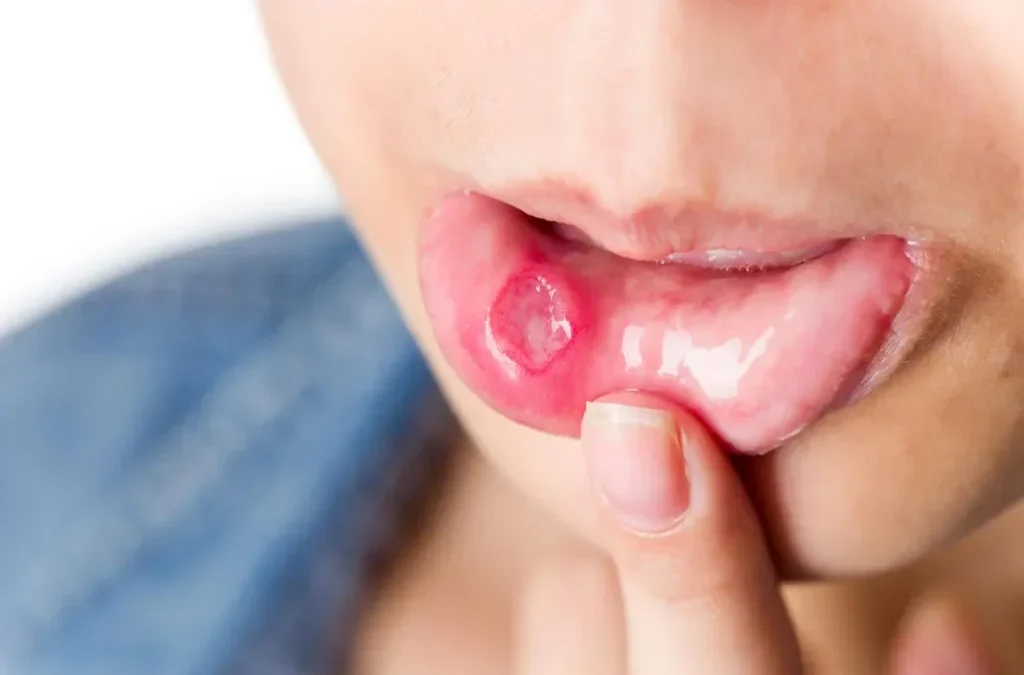
A mouth ulcer lasting more than three weeks, white or red patches on the tongue or inner cheek, unexplained bleeding inside the mouth, and difficulty swallowing or chewing are the earliest clinical signs of oral cancer. India accounts for nearly one-third of global oral cancer cases with tobacco and areca nut use as the primary risk factors. Early-stage detection before lymph node involvement carries five-year survival above 80% compared to 30-40% at advanced stages.
According to Dr. Sandeep Nayak, Oral Cancer Treatment in Bangalore, “Most oral cancers start as something patients ignore for months, a sore that won’t close, a patch that won’t clear. By the time they show up the disease already has a head start it didn’t need.”
Don’t wait for pain to tell you something’s wrong
What Are the Earliest Warning Signs?
Oral cancer doesn’t announce itself. Starts small, painless, easy to brush off as nothing.
- Non-healing ulcer: Sore lasting beyond three weeks that won’t respond to any medication. Regular ulcers close within 10-14 days. One that stays or keeps growing needs a biopsy not another gel from the chemist.
- White or red patches: Leukoplakia shows up white, erythroplakia shows up red, both sit on the tongue, floor of mouth, or inner cheek. Red patches carry higher malignancy risk and neither one goes away with mouthwash.
- Lump or thickening: Hard mass on gum, tongue, cheek, or palate you can feel with your finger. Often painless at first. Anything new inside the mouth that sticks around beyond two weeks needs hands on it, not eyes watching it.
- Difficulty swallowing: Something feels stuck in the throat, chewing hurts, jaw won’t open as wide as it used to. Means the tumor grew enough to interfere with normal function and that’s already later than you want to be catching this.
Your oncologist evaluates findings when assessing oral cancer risk before recommending biopsy or imaging.
What Should You Do If You Notice These Signs?
Difference between Stage I and Stage III oral cancer is often just a few months of looking at something inside your own mouth and deciding it’s probably fine.
- See a dentist: First person who spots oral cancer during a routine check. If you chew tobacco or gutka and haven’t seen a dentist in over a year that visit is already overdue. Don’t wait for pain to make the appointment for you.
- Biopsy settles it: Punch biopsy under local anesthesia takes minutes. Pathology report tells you cancer, precancer, or benign. No scan, no blood test, nothing else replaces tissue under a microscope for mouth lesions. Everything else is guessing.
- Tobacco link: 90% of oral cancers in India trace back to tobacco chewing, smoking, or areca nut. Stopping won’t undo existing damage but it drops the risk of new cancers developing in tissue right next to where the first one grew.
- Neck lump: Painless hard swelling appearing in the neck alongside any mouth symptom is lymph node spread until proven otherwise. At that point staging and surgical planning need to move fast not sit in a queue.
Same early detection urgency that saves lives in breast cancer applies here, catching it before it crosses into the neck changes the entire treatment conversation.
Why Choose MACS Clinic?
Dr. Sandeep Nayak developed MIND and RIA-MIND techniques for oral cancer patients who need scarless neck dissection and robotic tumor removal without external incisions. MACS Clinic handles biopsy, staging, and surgery under one team.
Oral cancer caught early gets treated with techniques that remove disease and keep appearance intact. Caught late it still gets treated but the surgery gets bigger and the conversation gets harder.
FAQs
Can oral cancer be cured if caught early?
Yes, early-stage oral cancer has five-year survival rates above 80%.
Does tobacco cause oral cancer?
Yes, 90% of oral cancers in India link to tobacco or areca nut use.
How is oral cancer diagnosed?
Tissue biopsy of the suspicious area confirms diagnosis under microscopic examination.
Can a dentist detect oral cancer?
Yes, routine dental exams often catch early signs before symptoms appear.
References
- Oral cancer signs and risk factors — National Cancer Institute
- Oral cancer prevention guidelines — World Health Organization