

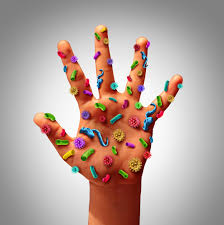
Cancer is not contagious. It cannot spread from one person to another through touching, kissing, sharing food, breathing the same air, or caring for a cancer patient. Cancer develops when a person’s own cells acquire DNA mutations causing uncontrolled growth. If cancer were transmissible through contact, oncology nurses and surgeons handling tumors daily would show elevated cancer rates. They don’t.
According to Dr. Sandeep Nayak, Best cancer treatment in Bangalore,
“I’ve watched families stop hugging their own mother after her diagnosis. Children told not to eat from the same plate. Wives sleeping in separate rooms. All based on nothing. Cancer doesn’t jump between people. The fear does and that fear isolates patients when they need family closest.”
Cancer isn’t contagious but the misinformation around it definitely spreads
Common Myths That Need Correcting
Most cancer myths come from patterns people observe and misinterpret. Two relatives getting cancer feels like transmission. It’s not. Understanding why helps families stop fearing contact and start focusing on what actually matters.
- Myth: touching spreads cancer. No cancer cell survives transfer between two people through skin contact. Hugging, holding hands, sharing a bed with a cancer patient carries zero transmission risk. Oncology ward staff would be the sickest people in the hospital if this were true. They’re not.
- Myth: sharing food transmits cancer. Eating from the same plate, drinking from the same glass, cooking for someone with cancer, none of this transfers cancer cells. Your digestive acid would destroy any foreign cell that entered your mouth anyway. Cancer isn’t a bacteria sitting on a roti waiting to be swallowed.
- Myth: family clusters mean it’s spreading. Mother and daughter both getting breast cancer isn’t transmission. It’s the same inherited BRCA mutation doing the same thing in two bodies. Shared genes, shared environment like living near a factory for 30 years, or shared habits like the entire family chewing tobacco explain clusters. Contact doesn’t.
- Myth: blood donation spreads cancer. Donated blood is screened rigorously. Cancer cells from a donor’s blood cannot establish themselves in a recipient’s body because the immune system recognizes and destroys foreign cells. Only documented person-to-person cancer transfer occurs in extremely rare organ transplant scenarios involving immunosuppressed recipients.
Your oncologist addresses these fears through cancer education as part of every initial consultation because a family that isolates the patient based on myths makes treatment harder for everyone.
What Can Actually Spread and Raise Cancer Risk ?
Cancer itself doesn’t transmit. But certain infections that increase cancer risk over decades do pass between people. This is where the confusion starts and where the facts actually matter.
- HPV: Spreads through sexual contact. Causes cervical, throat, anal, penile cancers years later. The virus transmits not the cancer. Vaccine exists, works before exposure, costs less than one chemo cycle. Most Indian parents haven’t vaccinated their daughters yet and that’s a conversation this country keeps postponing.
- Hepatitis B and C: Blood and body fluid transmission causing chronic liver inflammation that becomes liver cancer over 20-30 years. Hep B vaccine is part of childhood immunization schedule. Hep C is curable now with antivirals. Both infections are preventable or treatable long before cancer enters the picture.
- H. pylori: Bacterial infection from contaminated food and water extremely common across India. Causes chronic stomach inflammation leading to gastric cancer in a small percentage of infected people. Two-week antibiotic course clears it. Most people never get tested because nobody connects recurring acidity with a bacteria that’s been sitting in their stomach for fifteen years.
- EBV: Epstein-Barr virus linked to nasopharyngeal cancer and certain lymphomas. Most people carry EBV without ever developing cancer from it. Virus is common, cancer from it is rare, but the association exists and worth knowing about.
Understanding how stress-cancer myths get amplified by anxiety explains why contagion myths persist too, both are fear taking a partial truth and running with it past what the science actually supports.
Why Choose MACS Clinic?
Dr. Sandeep Nayak’s team at MACS Clinic spends consultation time correcting myths families walk in with before discussing treatment. Because a family that thinks cancer is contagious handles diagnosis differently than one that understands what actually happened inside the patient’s cells.
Patient gets cancer education here alongside cancer treatment. Family avoiding the patient out of baseless fear gets brought into the room and told the facts. Treating the tumor while the family avoids the patient is solving half the problem.
FAQs
Can cancer spread through kissing or touching?
No, cancer cells cannot survive or transfer between people through any contact.
Why do some families have multiple cancer cases?
Shared genes, environment, or habits independently raise risk, not person-to-person spread.
Can you catch cancer from caring for a patient?
No, healthcare workers show no elevated cancer rates despite daily patient contact.
Which infections can increase cancer risk?
HPV, Hepatitis B and C, H. pylori, and EBV can transmit and raise cancer risk over time.
References
- Is cancer contagious — National Cancer Institute
- Cancer myths and facts — World Health Organization