

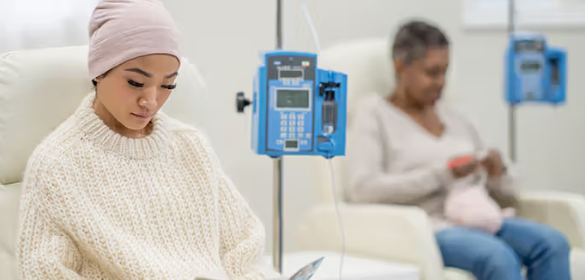
Adjuvant chemotherapy typically starts 3-6 weeks after cancer surgery once surgical wound healing is confirmed and the patient can tolerate systemic treatment. Starting too early before 3 weeks risks wound complications including dehiscence and infection. Delaying beyond 8 weeks reduces survival benefit for colorectal and gastric cancers with published meta-analyses showing 27% increased death risk when chemo initiation crosses that threshold.
According to Dr. Sandeep Nayak, Best cancer treatment in Bangalore, “Families push for chemo to start the week after surgery thinking faster means better. It doesn’t. Body needs time to heal the wound before you hit it with drugs that suppress immunity and slow tissue repair. But waiting too long isn’t smart either because microscopic cancer cells don’t pause while you recover.“
Same cancer clearance, fraction of the woundHealing first, then treatment. But not so much healing that the cancer gets a head start.
What Decides the Timing?
Not a fixed calendar date. Your body’s recovery speed, surgical complications, and the cancer’s biology together determine when chemo becomes safe and beneficial.
- Wound healing: Surgical incision needs to be healed enough that chemo-induced immune suppression won’t turn a clean wound into an infected one. Laparoscopic patients heal faster than open surgery patients which is one reason minimally invasive approaches at MACS Clinic shorten the gap between surgery and chemo start.
- Pathology turnaround: Final pathology report including margins, node count, grade, and molecular markers takes 7-10 days after surgery. Chemo protocol selection depends on these results. Rushing to start before the report arrives means prescribing drugs without knowing what you’re actually treating.
- Patient fitness: Hemoglobin above 9, adequate nutrition status, no active infection, kidney and liver function recovered from surgical stress. Starting chemo on a patient whose body hasn’t bounced back from the operation is stacking one trauma on top of another.
- Cancer type matters: Colon cancer data says within 8 weeks. Ovarian cancer optimal window sits around 22-35 days post-surgery. Breast cancer within 12 weeks still shows benefit but earlier is generally better. Each cancer has its own evidence base for timing.
Your oncologist finalizes chemo start date through precision oncology review once pathology and fitness both confirm readiness.
What Happens If Chemo Gets Delayed?
Delays happen. Surgical complications, slow wound healing, infection, nutritional depletion. The question is how much delay is acceptable before the benefit starts shrinking.
- Within 8 weeks: Most cancers show no significant survival difference whether chemo starts at week 3 or week 7. This window gives enough flexibility for patients recovering slower than average without compromising outcomes. No need to panic if your wound took an extra two weeks to close.
- Beyond 8-12 weeks: Colorectal and gastric cancer data shows measurable survival drop when adjuvant chemo crosses the 8-week mark. Each additional week of delay chips away at the benefit the drugs were supposed to provide. Beyond 12 weeks the gap widens further.
- Complications cause most delays: Post-surgical infection, anastomotic leak, prolonged ileus, wound dehiscence. These aren’t patient choices. They’re surgical realities that extend recovery involuntarily. Minimally invasive surgery reduces these complications which is why approach selection matters for chemo timing too.
- Still worth starting late: Even if delayed beyond 12 weeks, adjuvant chemo up to 5 months post-surgery still shows some benefit over no chemo at all for most cancers. Late is worse than on-time but late is still better than never. Don’t skip chemo just because the timing slipped.
Knowing how adjuvant chemo decisions get made based on pathology helps understand why the start date follows the report not the calendar.
Why Choose MACS Clinic?
Dr. Sandeep Nayak’s team at MACS Clinic uses laparoscopic and robotic approaches specifically because faster wound healing means shorter gap between surgery and chemo start. Medical oncologist reviews pathology the week it arrives and chemo scheduling happens before the patient even asks about it.
Chemo timeline here doesn’t drift because nobody was paying attention. Surgical oncologist, medical oncologist, and patient coordinator track recovery milestones so the moment the body is ready the first cycle gets booked without losing days to administrative delays.
Call +91 8035740000 to book your consultation.
FAQs
How many weeks after surgery does chemo start?
Typically 3-6 weeks once wound healing is confirmed and pathology is reviewed.
Can chemo start too early after surgery?
Yes, starting before 3 weeks risks wound complications from immune suppression.
Does delayed chemo reduce survival?
Beyond 8 weeks for colorectal and gastric cancers yes, with measurable survival impact.
Does minimally invasive surgery allow earlier chemo?
Yes, faster wound healing from smaller incisions shortens the surgery-to-chemo interval.
References
- Adjuvant chemotherapy timing — National Cancer Institute
- Post-surgical chemotherapy guidelines — World Health Organization
Disclaimer: The information shared in this content is for educational purposes and not for promotional use.