

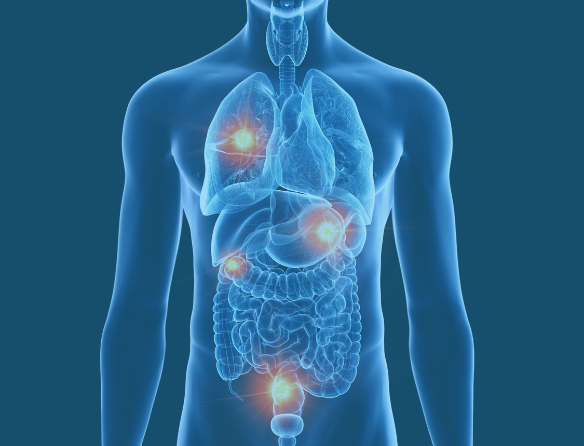
Metastatic cancer occurs when cancer cells break away from the primary tumor, travel through the bloodstream or lymphatic system, and establish new tumors in distant organs like liver, lungs, bones, or brain. It is classified as Stage IV regardless of the primary cancer type. Critically, metastatic cancer retains the identity of where it started, so breast cancer that spreads to the liver is still breast cancer not liver cancer and gets treated with breast cancer drugs not liver cancer drugs.
According to Dr. Sandeep Nayak, Best cancer treatment in Bangalore, “Family hears ‘it’s spread to the liver’ and assumes that’s liver cancer now. It’s not. It’s breast cancer cells living in the liver. The treatment follows the original cancer not the address it moved to. Getting this wrong means the patient gets the wrong drugs from day one.”
How Does Cancer Spread?
Metastasis is a multi-step process where most cancer cells die along the way. Only a tiny fraction survive the journey and successfully establish new tumors elsewhere.
- Local invasion: Cancer cells first push through the basement membrane of the tissue they started in and invade surrounding structures. This is what separates in-situ cancer from invasive cancer. Crossing that membrane is the first step toward spread and it’s the reason early detection before invasion changes outcomes dramatically.
- Blood and lymph entry: Cancer cells penetrate walls of nearby blood vessels or lymphatic channels entering circulation. Most cells that enter the bloodstream get destroyed by the immune system or die from shear forces of flowing blood. The few that survive the journey are the ones that cause metastasis.
- Where cancers prefer to go: Breast cancer goes to bones, lungs, liver, brain. Colon cancer prefers liver and lungs. Prostate cancer favours bones. Lung cancer spreads to brain, bones, liver. Each cancer has preferred destinations not random. The soil-and-seed theory explains this, certain organs provide the right environment for specific cancer cells to grow.
- Dormancy and recurrence: Some cancer cells survive in distant organs for years without growing staying dormant until something triggers proliferation. This is why cancers recur five or ten years after apparently successful treatment. The cells were there all along just sleeping.
Your oncologist detects and monitors metastasis through precision diagnostics including PET-CT, liquid biopsy, and tumor markers.
Is Metastatic Cancer Treatable?
Stage IV used to mean weeks to months. That’s changed dramatically for several cancer types though the word “metastatic” still carries a death sentence perception that the science no longer supports universally.
- Immunotherapy changed melanoma: Stage IV melanoma five-year survival jumped from under 10% to over 40% with checkpoint inhibitors. Some patients achieve complete response lasting years. A disease that was untreatable a decade ago is now routinely controlled.
- Targeted therapy in lung cancer: EGFR-positive metastatic lung cancer patients on osimertinib live 18-22 months progression-free compared to 5-6 months on chemo. ALK-positive patients on lorlatinib achieve even longer control. Molecular profiling turned a death sentence into a daily tablet for these specific mutations.
- Oligometastatic disease: Limited spread to one or two sites in one organ can sometimes be treated with curative intent through surgery or stereotactic radiation. Colon cancer with 1-2 liver metastases resectable robotically at centres like MACS gives patients genuine shot at long-term survival.
- Honest reality: Not all metastatic cancers respond this well. Pancreatic, gastric, gallbladder cancers with widespread metastasis remain extremely difficult. Treatment extends life and manages symptoms but cure is rarely achievable. Knowing which cancers fall into which category helps patients make informed decisions.
Understanding how carcinoma types determine treatment approach explains why metastatic cancer management also depends on the original cell type not just the organs the cancer has travelled to.
Why Choose MACS Clinic?
Dr. Sandeep Nayak’s team at MACS Clinic treats metastatic cancer through multidisciplinary planning combining surgical oncology, medical oncology, and radiation oncology under one roof. Oligometastatic disease eligible for curative resection gets robotic surgery that open surgery at other centres would have deemed inoperable.
Patient diagnosed with metastatic disease here gets an honest conversation about what’s achievable. Curable oligometastatic disease gets aggressive treatment. Widespread incurable disease gets honest management. Both conversations happen with equal medical rigor and human respect.
Call +91 8035740000 to book your consultation.
FAQs
What does metastatic cancer mean?
Cancer that has spread from the original site to distant organs through blood or lymph system.
Is metastatic cancer always Stage IV?
In most staging systems yes. Distant organ metastasis is classified as Stage IV cancer.
Can metastatic cancer be cured?
Oligometastatic disease in select cases yes. Widespread metastasis is typically managed not cured.
Why is breast cancer in the liver still called breast cancer?
Cancer cells retain original identity. Treatment follows the primary cancer type not the metastatic location.
References
- Metastatic cancer overview — National Cancer Institute
- Cancer metastasis mechanisms — World Health Organization