

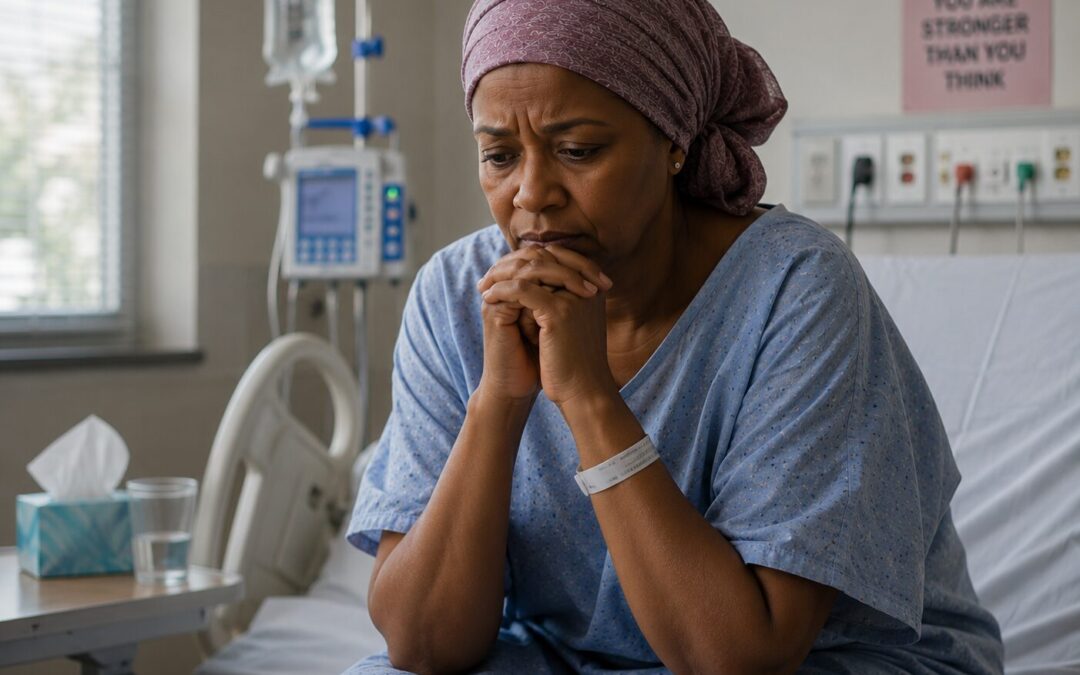
Mental health support is part of cancer care. Not an add-on for later, once things get bad. Reach out to a professional right away if sadness won’t lift, if concentration keeps slipping, if appetite drops off, or if thoughts turn toward suicide. There’s no minimum severity you have to hit first. Asking for help in week one after diagnosis counts just as much as asking six months in, and MACS Clinic builds this into its complete approach to cancer care from the first visit, not somewhere down the line.
According to Dr. Sandeep Nayak, who provides Best Cancer Treatment in Bangalore, “The medical side of cancer gets most of the attention. But the emotional weight of a diagnosis affects how well a patient sticks with treatment, so we bring it up in the first conversation, not after something’s already gone wrong.” Patients who can name what they’re going through tend to show up more consistently for appointments and follow-up care.
Struggling with the emotional weight of a cancer diagnosis and not sure where to start?
Practical Ways People Make It Work?
A diagnosis rewires daily life almost overnight. Appointments stack up, side effects show up uninvited, and the future stops feeling predictable. That alone can trigger anxiety in someone who’s never dealt with it before.
Physical and emotional symptoms feed each other. Pain and fatigue make sleep harder. Bad sleep makes it harder to hold your mood steady the next day. Round and round it goes until something breaks the loop.
Isolation is the sneaky one. Family and friends want to help, genuinely, but they often freeze up on what to say, so a lot of the weight ends up carried alone. It’s a pattern we see a lot: patients bring up their scan results in detail during a visit and only mention, almost as an afterthought on the way out the door, that they haven’t slept properly in weeks. How care gets structured at MACS Clinic tries to catch that before it becomes the whole visit.
Treatment itself can trigger biological depression. Certain chemotherapy drugs and hormonal treatments carry documented links to mood changes, separate from the stress of the diagnosis. Not weakness. Just biology and circumstance stacking on top of each other.
What Getting Help Actually Looks Like?
It starts with a conversation, usually with the oncology team first. Screening for emotional distress happens at routine visits at MACS Clinic rather than waiting for a patient to raise it unprompted, which most people don’t, at least not on their own.
Referral to a mental health professional moves fast when it’s needed. Some patients see a counselor once and that’s enough. Others stay in it through active treatment and well into survivorship.
Options run from short-term counseling to medication. It depends on what’s actually driving the distress. Cognitive behavioral therapy has solid evidence behind it here, and antidepressants come into play when the cause looks more biological than situational.
Results differ person to person. Most patients do report feeling more in control within a few weeks of starting, sometimes before anything on the cancer treatment side has even changed. For day-to-day coping strategies, read Cancer and Mental Health on the MACS Clinic blog.
Why Choose MACS Clinic for Cancer Care and Mental Health Support?
Dr. Sandeep Nayak’s team at MACS Clinic doesn’t treat mental health as something that gets addressed after the medical side is sorted. Surgical oncology, medical oncology, radiation oncology, and onco-psychology all sit within the same care structure, which means the emotional weight of a diagnosis gets picked up early, not when it’s already become a crisis. Twenty-four years of surgical oncology and thousands of patients later, the approach hasn’t changed the diagnosis and the person carrying it are one job, not two. To see the full scope of care or discuss your situation call +91 9482202240.
FAQs
How many sessions of mental health support does a cancer patient typically need?
There’s no fixed number. Some people talk it out once and feel steadier. Others keep coming back through treatment and well past it.
How soon do patients usually feel a difference after seeking help?
Two to three weeks, roughly, for a lot of people. Not a rule though. Depends what’s actually going on underneath.
Is it normal to feel anxious or low even when treatment is going well?
Yes, and it catches people off guard. Good scan results don’t automatically fix how someone feels day to day.
What if I don't want to talk to a stranger about what I'm feeling?
Fair reaction, most people feel that way at first. Say so to the care team. They’ll find someone that’s a better fit, or point you toward a different kind of support altogether.
Disclaimer: This content is published for educational and informational purposes only.