

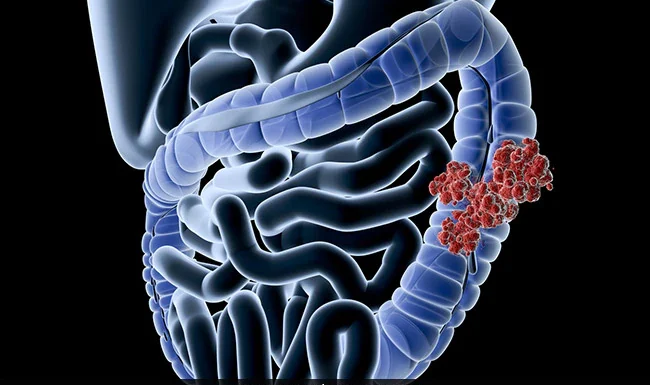
Colon cancer in adults under 50 is rising 3% per year and 1 in 5 colorectal diagnoses now falls in someone under 55. Young patients get caught at advanced stages because symptoms go to stress, diet, or haemorrhoids before anyone considers cancer. Screening starts at 45 for average risk adults but family history, genetic syndromes, or persistent symptoms warrant investigation well before that. Age alone does not rule out colon cancer.
According to Dr. Sandeep Nayak, Best cancer treatment in Bangalore, “Young patients with colon cancer are almost always diagnosed late because neither they nor their doctors consider it a possibility. Rectal bleeding in a 32 year old is haemorrhoids until a colonoscopy says otherwise. That assumption costs months and sometimes stages.”
Persistent bowel symptoms in someone under 45 deserve investigation, not reassurance.
Why Is Colon Cancer Rising in Young Adults?
Cases under 50 have more than doubled since the 1990s. The reasons aren’t fully settled but several contributing factors show up consistently.
- Diet and Lifestyle: High processed meat consumption, low fibre intake, obesity, and physical inactivity all independently raise early onset risk. These patterns are now common in younger urban Indian populations in ways they simply weren’t a generation ago.
- Genetic Syndromes: About 20% of young colon cancer patients carry Lynch syndrome or familial adenomatous polyposis. But 80% don’t. Most young people diagnosed have no clear family history at all, which is why symptoms carry more weight than the family tree.
- Inflammatory Bowel Disease: Crohn’s disease and ulcerative colitis significantly raise colon cancer risk over time. People with longstanding IBD need surveillance colonoscopies before the standard 45 year mark regardless of how they feel day to day.
- Delayed Screening: Most people under 45 won’t be screened unless they report symptoms. Young adults with persistent bowel changes, rectal bleeding, or unexplained anaemia need investigation outside the standard screening age.
For detailed information on diagnosis and what a workup looks like for younger patients, the Colon Cancer service page covers what the process involves from the first visit.
What Symptoms in Young People Should Not Be Ignored?
Young adults dismiss bowel symptoms far longer than they should. These are the ones that need a doctor visit, not a dietary change.
- Rectal Bleeding: Blood in stool in a young adult gets called haemorrhoids almost every time. But haemorrhoids don’t come with fatigue, weight loss, or a change in stool shape alongside the bleeding. Any rectal bleeding lasting beyond two weeks needs investigation.
- Change in Bowel Habit: Persistent diarrhoea, constipation, or narrow stools lasting more than four weeks without an obvious cause. Not one bad episode after a meal. A sustained change that doesn’t resolve and doesn’t respond to dietary adjustment.
- Unexplained Anaemia: Slow bleeding from a colon tumour drops haemoglobin over months without visible blood. Young patients diagnosed with iron deficiency anaemia without an obvious cause need a colonoscopy, not just iron tablets.
- Abdominal Pain: Persistent lower abdominal cramps that don’t clear up with dietary changes. Rectal Cancer and colon cancer both present this way in younger patients who spend months assuming it is IBS.
For more on how early cancer signals get missed until the right investigation is ordered, our previous blog on Swollen Lymph Nodes covers exactly how symptoms get dismissed before a diagnosis is finally made.
Why Choose MACS Clinic for Colon Cancer Treatment?
Dr. Sandeep Nayak’s team at MACS Clinic investigates bowel symptoms in younger patients without assuming age rules anything out. Colonoscopy, staging workup, and molecular profiling are completed before any treatment decision, and early onset cases go through a formal tumour board review before the plan is confirmed.
Patient presenting under 50 with persistent bowel symptoms here gets investigated, not told to wait and see. Because the difference between Stage I and Stage III colon cancer is often the weeks spent hoping symptoms resolve on their own.
Call +91 8035740000 to book your consultation.
FAQs
Can someone in their 30s get colon cancer?
Yes. Colon cancer under 50 is rising 3% per year and 1 in 5 diagnoses now occurs under 55.
What are early signs of colon cancer in young adults?
Rectal bleeding, sustained bowel habit change, unexplained anaemia, and persistent abdominal cramps need investigation.
When should a young person get a colonoscopy?
At 45 for average risk adults or earlier with family history, IBD, genetic syndromes, or persistent symptoms.
Is colon cancer in young adults more aggressive?
Early onset colon cancer is usually diagnosed at a later stage because symptoms get dismissed far longer before investigation.
References
- Colorectal cancer in young adults — National Cancer Institute
- Colorectal cancer screening guidelines — World Health Organization