

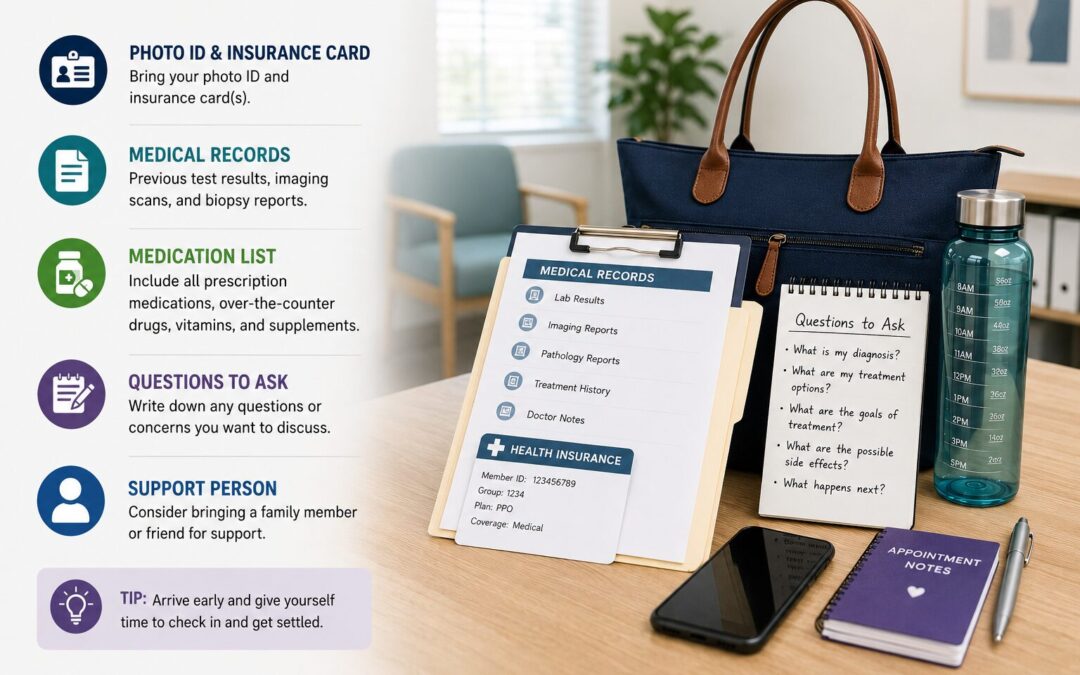
Most people walk into their first oncology appointment carrying anxiety and not much else. That’s understandable. A cancer diagnosis scrambles priorities, and nobody hands you a preparation guide along with the news. But what you bring to that first consultation directly affects how useful it is. An oncologist working from complete information can give you a real assessment, a treatment direction, and answers to the questions that actually matter. One working from a verbal summary of what another doctor said three weeks ago cannot.
According to Dr. Sandeep Nayak, Best Cancer Treatment in Bangalore, “The first consultation sets the tone for everything that follows. Patients who arrive with their full records, imaging, and pathology give us what we need to make a proper assessment in that sitting. Patients who arrive without them leave with another appointment and more waiting, which is exactly what nobody in this situation needs.”
Bring everything. The first consultation is only as useful as the information in the room.?
What to Actually Bring and Why Each Item Matters?
Every item on this list exists for a reason. None of it is administrative box-ticking.
All previous scan reports and imaging CDs
CT scans, MRI scans, PET scans, ultrasounds — bring the actual CD or digital file, not just the printed report. The report is what a radiologist wrote. The images are what the oncologist needs to see directly. Conclusions written by someone else aren’t always the same as what an experienced surgical oncologist sees when they look at the scan themselves.
Pathology reports and biopsy results
The full report, not a summary. Cancer type, grade, receptor status, margin status if surgery has already happened — these details determine whether the planned treatment is right for your specific tumour. A diagnosis of “breast cancer” without receptor status is an incomplete picture that delays the treatment decision.
A complete list of current medications
Every prescription drug, every supplement, every over-the-counter medication taken regularly. Some interact with chemotherapy. Some affect anaesthesia. Some need to be stopped before surgery. The oncologist cannot flag those interactions without knowing what’s being taken.
Your photo ID and insurance documents
Straightforward, but worth not leaving behind. Insurance pre-authorisation for cancer treatment starts at the first consultation in most cases.
A written list of questions
The appointment moves fast and anxiety makes it harder to remember what you wanted to ask. Write the questions down before you go. Bring someone with you if possible — a second person in the room catches things the patient misses and remembers details that don’t stick in the moment.
A notebook or phone to take notes
Or ask permission to record the consultation. What the oncologist says about staging, treatment options, and next steps is information you will want to refer back to later, especially when explaining the situation to family.
What to Expect From the Consultation Itself?
Walking in prepared is half of it. Knowing what the appointment is actually trying to achieve is the other half.
The first oncology consultation: is not where treatment begins. It’s where the oncologist reviews everything available, asks questions about symptoms and history, and forms an initial assessment. In most cases, additional investigations get ordered at that sitting further imaging, blood tests, molecular profiling before a full treatment plan is confirmed. Understanding that this is normal and expected removes the frustration of leaving without a finalised plan.
The oncologist :will also assess whether the information available is complete enough to plan from. Missing pathology, unavailable imaging, or a history that needs filling in from other treating doctors can mean a second appointment is needed before treatment direction is confirmed. Arriving with everything reduces that risk significantly. For a deeper understanding of how oncologists use that first consultation to build a treatment plan, the previous blog on How Doctors Decide the Right Cancer Treatment covers the full decision-making process in detail.
Why Choose a MACS Clinic for Your First Oncology Consultation?
Dr. Sandeep Nayak’s team at MACS Clinic completes the full assessment in the first consultation when records are available. Staging workup, tumour board review, and molecular profiling are initiated from that first sitting rather than spread across multiple appointments over weeks. Patients leave with a clear next step, not a vague direction and another waiting period.
For patients coming for a second opinion, the same applies. Bring everything from the first treating centre and the assessment here starts from the full picture, not from the beginning. Those who want to book a consultation can reach the team at +91 8035740000 or through the contact page.
FAQs
Do I need a referral letter to see an oncologist at MACS Clinic?
No referral is required. Patients can book directly. Bringing existing medical records speeds up the assessment considerably.
What if my imaging CDs are from a different city?
Bring them anyway. Digital imaging from any centre can be reviewed directly. Reports alone without images slow the assessment down.
Can I bring a family member to the consultation?
Yes, and it’s encouraged. A second person in the room helps retain information and ask follow-up questions the patient may not think of at the moment.
What if I don't have all my records yet?
Book the appointment and request records in parallel. Arriving with partial records is better than delaying the consultation waiting for everything to arrive together.
Disclaimer: This content is published for educational and informational purposes only.