

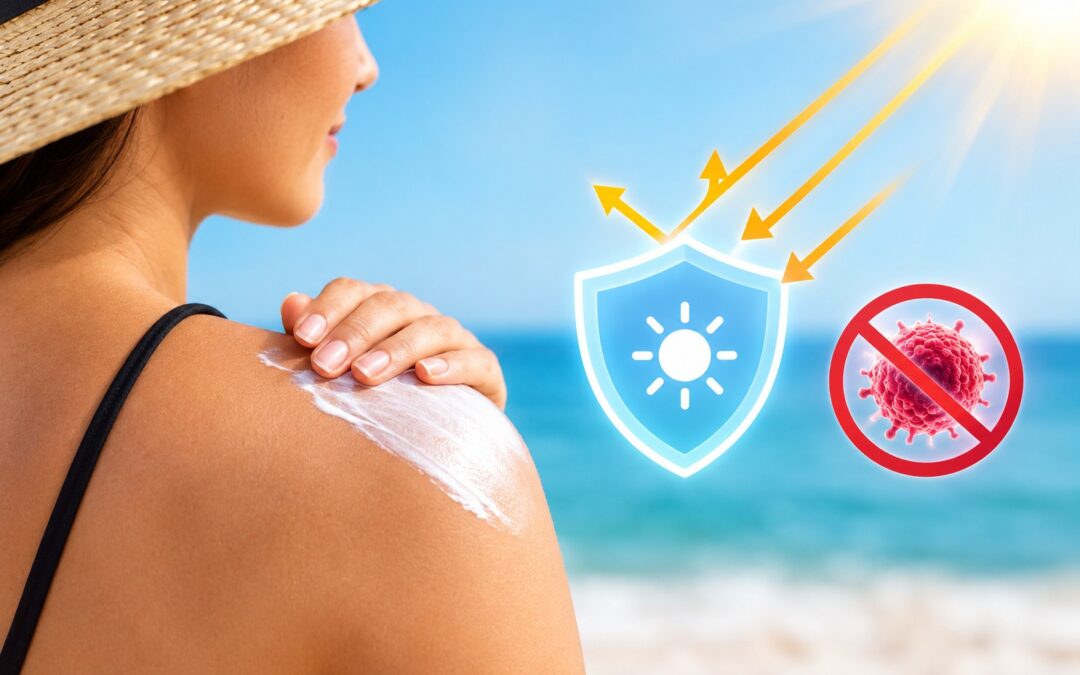
Yes, it genuinely helps, when it’s SPF 30 or higher, broad-spectrum, and actually used the way it’s supposed to be. It works by blocking the UV radiation that damages skin cell DNA in the first place, which is the whole mechanism behind most skin cancer starting to grow. That said, not every skin cancer has the same amount of proof behind it. Squamous cell carcinoma and actinic keratosis, those precancerous patches, have solid, well-documented research showing sunscreen cuts the risk down. Melanoma and basal cell carcinoma are murkier, not because sunscreen doesn’t help there too, but because those cancers can take decades to show up, and running a study that long is genuinely hard to pull off.
Dr. Sandeep Nayak, known for the Best Cancer Treatment in Bangalore, treats sunscreen as one piece of a bigger puzzle, not a magic shield. “People hear ‘sunscreen prevents skin cancer’ and figure they can just bake in the sun all day now, problem solved. It doesn’t work that way. It cuts down the damage a lot, it doesn’t erase it. And honestly, how someone actually uses it, reapplying, using enough of the stuff, matters more than which fancy bottle they bought.”
Want to talk through your own sun exposure history and skin cancer risk?
How Sunscreen Actually Works and What the Evidence Shows?
There’s more than one thing going on here, and it’s worth breaking apart what sunscreen is actually blocking:
- Broad-spectrum sunscreen blocks both UVA and UVB rays, the two wavelengths doing most of the DNA damage that eventually turns into skin cancer
- SPF itself is really just a UVB measurement, the rays behind sunburn, while “broad-spectrum” on the label is what tells you UVA is covered too
- Studies have shown a real, measurable drop in squamous cell carcinoma and actinic keratosis with consistent use over time, that part’s genuinely well established
- Melanoma and basal cell protection leans more on mechanism and correlation than decades-long randomized trials, mostly just because those cancers are slow to show up after the damage happens
None of that means sunscreen only matters for one type of cancer. It just means the research clock has run longer on some of them than others.
Why Proper Use Matters as Much as the Product Itself?
Why Choose MACS Clinic for Skin Cancer Prevention and Risk Assessment?
Dr. Sandeep Nayak’s team at MACS Clinic folds sun protection into a broader cancer prevention conversation, not a stray tip handed out disconnected from someone’s actual skin, family history, and years of sun exposure behind them. For anyone with fair skin, a personal or family history of skin cancer, or a lot of sun exposure in their past, that conversation also covers how often an actual skin check should happen, not just daily habits. The whole point is building something a person will realistically keep doing, not a perfect routine that falls apart after the first week.
Concerned about your own skin cancer risk or a spot that doesn’t look right? Reach the team at +91 9482202240.
FAQs
Does a bigger SPF number actually mean way better protection?
Not really, no. SPF 30 blocks about 97 percent of UVB rays, SPF 50 gets you to roughly 98 percent, that gap is tiny compared to just remembering to reapply on time.
Can sunscreen alone do the whole job of preventing skin cancer?
Not on its own. It cuts risk a lot, but it works best paired with shade, covering up, and just avoiding the sun at its worst hours, rather than carrying the whole load by itself.
Is sunscreen actually needed on a cloudy day?
Yes, genuinely. UV gets through clouds more than people think, and skin can take damage even without a sunburn or that hot, intense feeling to warn you.
How much sunscreen is actually enough to matter?
For full body coverage, think a shot glass worth, which is a lot more than most people are actually putting on day to day.
References
-
American Academy of Dermatology — Sunscreen FAQs
Covers how sunscreen reduces UV exposure and skin-cancer risk, plus recommended SPF 30+, broad-spectrum and water-resistant protection. American Academy of Dermatology
AAD: Sunscreen FAQs -
Journal of Clinical Oncology — Randomized trial on melanoma
A key long-term follow-up of the Nambour randomized trial found fewer melanomas among people assigned to regular sunscreen use. PubMed
Journal of Clinical Oncology study
Disclaimer:This content is published for educational and informational purposes only.