

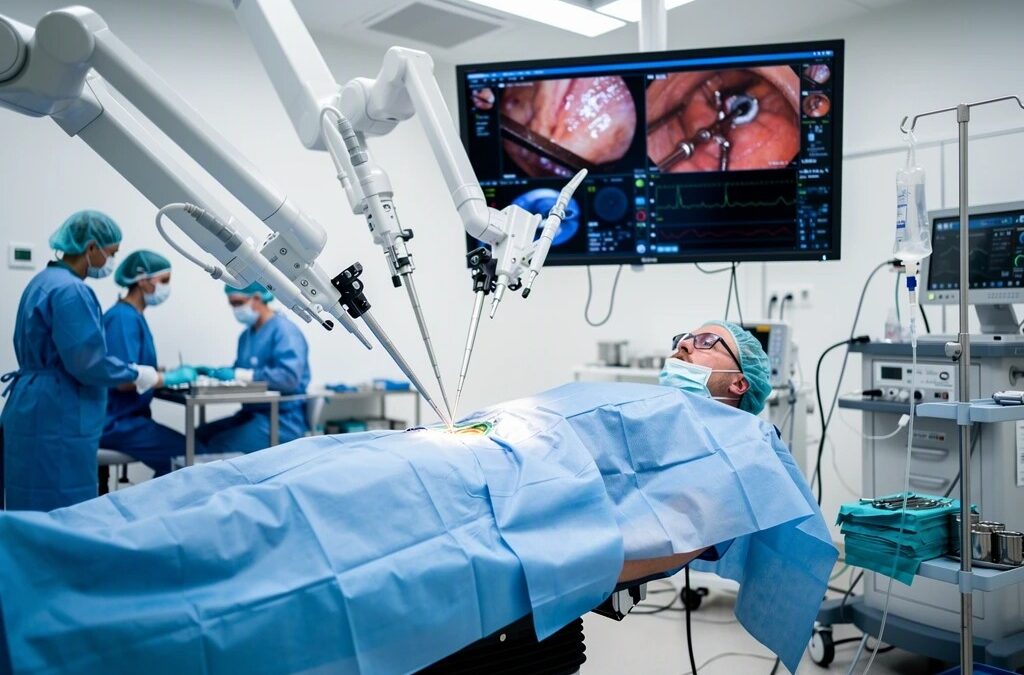
Yes, in a few ways that patients notice. Robotic surgery for rectal cancer tends to mean less blood loss, an earlier discharge and a quicker return of bowel function than open surgery. Compared with keyhole surgery, some trials show fewer operations being switched to open partway through. But don’t expect a better cure. Survival looks about the same with every approach, so what you’re really getting is an easier operation and recovery.
Dr. Sandeep Nayak, who provides cancer treatment in Bangaloresays the pelvis is where the difference shows. “The rectum sits deep in a narrow space, surrounded by nerves that control the bladder and sexual function. A magnified three-dimensional view and wristed instruments can help the surgeon work carefully there. But the quality of the cancer operation matters more than the tool. Whether robotic surgery is suitable depends on the tumour and the patient, and it is decided case by case.”
For information on rectal cancer treatment options, contact the clinic at +91 9482202240.
How Does Robotic vs Open Surgery for Rectal Cancer Compare?
|
Factor |
Robotic surgery |
Open surgery |
|
Blood loss |
Usually lower |
Usually higher |
|
Hospital stay |
Often shorter, as recovery tends to start sooner |
Often longer |
|
Bowel and bladder recovery |
Function often returns faster |
Often slower |
|
Conversion to open surgery |
Happens less often than with standard keyhole surgery, particularly in difficult pelvises |
Not applicable, since the operation is already open |
|
Operating time |
Can take longer |
Usually shorter |
|
Cost |
Often higher |
Usually lower |
|
Long-term cancer results |
Broadly comparable when done well |
Broadly comparable when done well |
Operating time and cost. The robotic operation can take longer and often costs more. Our blog on the cost of robotic rectal cancer surgery in Bangalore covers the figures.
Who Benefits Most From Rectal Cancer Surgery Done Robotically?
What Determines the Right Treatment Approach?
The choice of operation depends on several things the treating team reviews together.
Tumour position and stage. How low it sits and how far it has grown guide the type of operation.
Whether chemotherapy or radiation comes first. Many rectal cancers are treated before surgery, which changes the planning.
Whether the sphincter can be saved. This decides if a permanent stoma is needed.
Your body build and general health. These affect which approach is safe.
The surgeon’s experience. Results depend on how often the team performs the technique.
Availability and cost. Robotic surgery is not offered everywhere and costs more. More on this is on the rectal cancer treatment page.
The decision follows the scans, the staging and a discussion of the options.
Key Takeaways
- People who have robotic rectal surgery tend to lose less blood, get their bowel and bladder working sooner, and go home a bit earlier. Fewer operations get switched to open midway too.
- On survival, the two approaches land in roughly the same place.
- The robotic route can run longer in theatre and usually costs more.
- It earns its keep in narrow, awkward pelvises. Plenty of patients do fine without it.
- A well-done cancer operation counts for more than which tool the surgeon picks up.
- Want to talk through your own case? The clinic’s number is +91 9482202240.
FAQs
Does robotic surgery carry less risk than open surgery?
In experienced hands, the risks are similar overall. Robotic tends to mean less bleeding and a lower chance of needing to switch to open, but it’s still a major operation with real risks either way.
Will it improve my chances of being cured?
The survival data doesn’t show a meaningful difference between robotic and open. What you’re gaining is mostly a smoother recovery and better functional outcomes, not a higher cure rate
Could I end up with a stoma?
Depends on where the tumour is. The lower it sits, the harder it becomes to preserve the sphincter. Your surgeon will walk through the likelihood with you before anything is decided.
Do people recover quicker?
Generally a bit faster — shorter hospital stay, bowel function returns sooner. But recovery is individual and some people take longer than expected regardless of which approach was used.
Reference
National Cancer Institute – Rectal Cancer Treatment (PDQ): Provides information on rectal cancer stages, treatment options, surgery, chemotherapy, and radiation therapy. Link: https://www.cancer.gov/types/colorectal/patient/rectal-treatment-pdq
American Society of Colon and Rectal Surgeons – Rectal Cancer Patient Information: Explains rectal cancer, available treatments, and surgical options in patient-friendly language. Link: https://fascrs.org/patients
Disclaimer:
This content is published for educational and informational purposes only and is not a substitute for medical advice. Please consult your doctor before changing any treatment.