

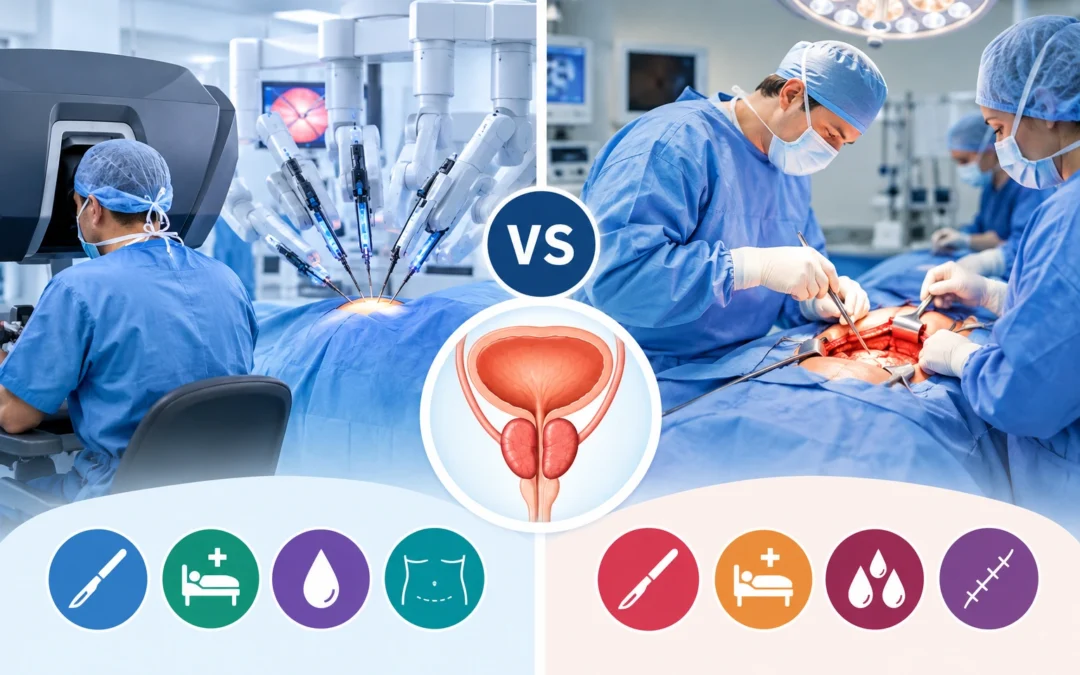
In the first few weeks, usually yes. Robotic prostatectomy tends to mean less blood loss, a shorter hospital stay and an easier early recovery than open surgery. The picture changes once you look at what men worry about most. Cancer control, bladder control and erections depend far more on the surgeon’s skill than on the machine in the room. Two randomised trials from Australia put the operations side by side, and function came out about the same at 12 weeks and again at two years.
Dr. Sandeep Nayak, who provides cancer treatment in Bangalore puts it plainly. “Patients ask me which one wins, as if it’s a race. The goal never changes. The prostate has to come out completely, and the nerves and the urinary sphincter need protecting wherever the cancer allows. The robot gives a magnified view and steady hands in a tight space. Even so, I’d choose an experienced surgeon doing the operation they know best over any machine.”
Considering robotic or open prostate surgery? Learn about the differences in recovery, risks, and outcomes to make an informed decision with your cancer care team.
Robotic Prostatectomy vs Open Surgery: How Do They Compare?
An open prostatectomy uses one longer cut in the lower abdomen. A robotic prostatectomy uses a few small keyhole cuts, with the surgeon controlling the instruments from a console. Here is how the two stack up on the things patients ask about most.
|
Factor |
Robotic prostatectomy |
Open prostatectomy |
|
Incision |
Several small keyhole cuts |
One longer cut in the lower abdomen |
|
Blood loss |
Usually lower |
Usually higher |
|
Hospital stay |
Often shorter |
Often a day or so longer |
|
Early recovery |
Many men feel back to routine sooner |
Often a slower first few weeks |
|
Urinary control and erections |
Similar at 12 weeks and 24 months in a randomised trial |
Similar at 12 weeks and 24 months in a randomised trial |
|
Cancer control |
Comparable when done well; trials are still gathering long-term data |
Comparable when done well |
|
Operating time |
Can run longer, especially early in a surgeon’s experience |
Usually somewhat shorter |
|
Cost and availability |
Often higher, and not offered everywhere |
Usually lower and widely available |
Surgery is only one route for prostate cancer. Radiation is another, and our radiation therapy page explains when it makes more sense.
Who Tends to Benefit Most From Robotic Prostatectomy?
- Men who want an easier first few weeks. Less bleeding and a shorter stay usually mean a gentler start to recovery.
- A heavier build or a deep, narrow pelvis. Open access can be awkward here, and the magnified view and wristed instruments help.
- Men for whom blood loss matters. If you have other health problems, losing less blood can make the operation easier on your body.
- People who want to get back to work and routine sooner. Smaller cuts often mean less pain and an earlier return to normal days.
Open surgery still has its place. Heavy scarring from earlier abdominal surgery can make it the safer choice, and so can a team that simply has more experience with it. Whichever route you take, follow-up matters, because prostate cancer can sometimes change and resist treatment. If hormone therapy ever becomes part of your plan, read about its effect on heart health too.
What Determines the Right Treatment Approach?
The operation is chosen after the team has looked at the whole picture, not just the technique.
- Stage and grade of the cancer. PSA level, biopsy results and scans show how aggressive it is and whether it has spread beyond the prostate.
- Whether the nerves can be spared. This depends on where the tumour sits, and it affects erection recovery.
- Your age and general health. Fitness for a longer operation and anaesthetic plays a part.
- The surgeon’s experience. Results depend on how often the surgeon performs the specific operation.
- Alternatives to surgery. Radiation, hormone therapy or careful monitoring may suit some men better.
- Cost and availability. Robotic surgery costs more and isn’t offered everywhere.
The decision follows your scans, your staging and an honest talk about the options. You can read more on our prostate cancer treatment page.
Key Takeaways
-
- Robotic usually means less bleeding, an earlier discharge and an easier first couple of weeks.
- Erections and bladder control? Two randomised trials found no real difference, at 12 weeks or at two years.
- Cancer control is similar too. Who holds the instruments matters more than what the instruments are.
- Robotic takes longer in theatre, costs more, and some hospitals don’t have it.
- Pick the operation your scans and staging support, and the surgeon you trust to do it.
Still unsure which one suits you? Call us on +91 9482202240 or book a consultation.
FAQs
Is robotic prostatectomy safer than open surgery?
Neither is a small operation. In experienced hands the complication rates end up close. Robotic does tend to bleed less and get you home sooner, but I’d put your surgeon’s track record and your own health ahead of the technique when thinking about safety.
Will robotic surgery protect my erections and bladder control better?
Not by what the best trial shows. Men in both groups scored about the same on urinary and sexual function at 12 weeks, and again at two years. Whether the nerves can be saved comes down to where the tumour sits and how carefully it’s dissected.
How long does recovery take after a robotic prostatectomy?
Most men are home in a day or two, with a catheter for a week or so, sometimes two. Light walking and desk work come back within a few weeks. Full recovery takes longer, and everyone moves at their own speed, so ask your surgeon what to expect in your case.
Can prostate cancer come back after surgery?
It can, whichever way the operation is done. That’s why PSA tests carry on for years. A rising PSA doesn’t mean the end of options, and radiation or hormone treatment are often the next step.
Reference
National Cancer Institute (NCI): Prostate Cancer Treatment (PDQ)
American Urological Association (AUA): Clinically Localized Prostate Cancer Guideline
Disclaimer
This content is published for educational and informational purposes only. It is not a substitute for medical advice, diagnosis or treatment. Please consult a qualified doctor about your own condition.