


Almost never, though it isn’t quite zero. The medical literature has a small number of reports of advanced cancers shrinking or vanishing with no treatment at all, which doctors call spontaneous regression. They’re rare, often thinly documented, and nobody can say who it will happen to. For nearly everyone else, stage 4 cancer that’s left alone keeps growing, and the survival stories doing the rounds online are usually the one unusual case, not the typical one.
Dr. Sandeep Nayak, who provides cancer treatment in Bangalore, says “I understand why people ask. Treatment is hard, and those stories are tempting. But stage 4 doesn’t mean nothing can be done. Many people live for years on modern treatment, and the aim is often control and a decent quality of life, so it’s worth talking it through with an oncologist before deciding anything.”
Learn why stage 4 cancer outcomes vary, what factors influence survival, and why timely medical guidance and personalised treatment matter. Consult an oncologist to understand the options best suited to your condition.
Can Stage 4 Cancer Go Away on Its Own?
-
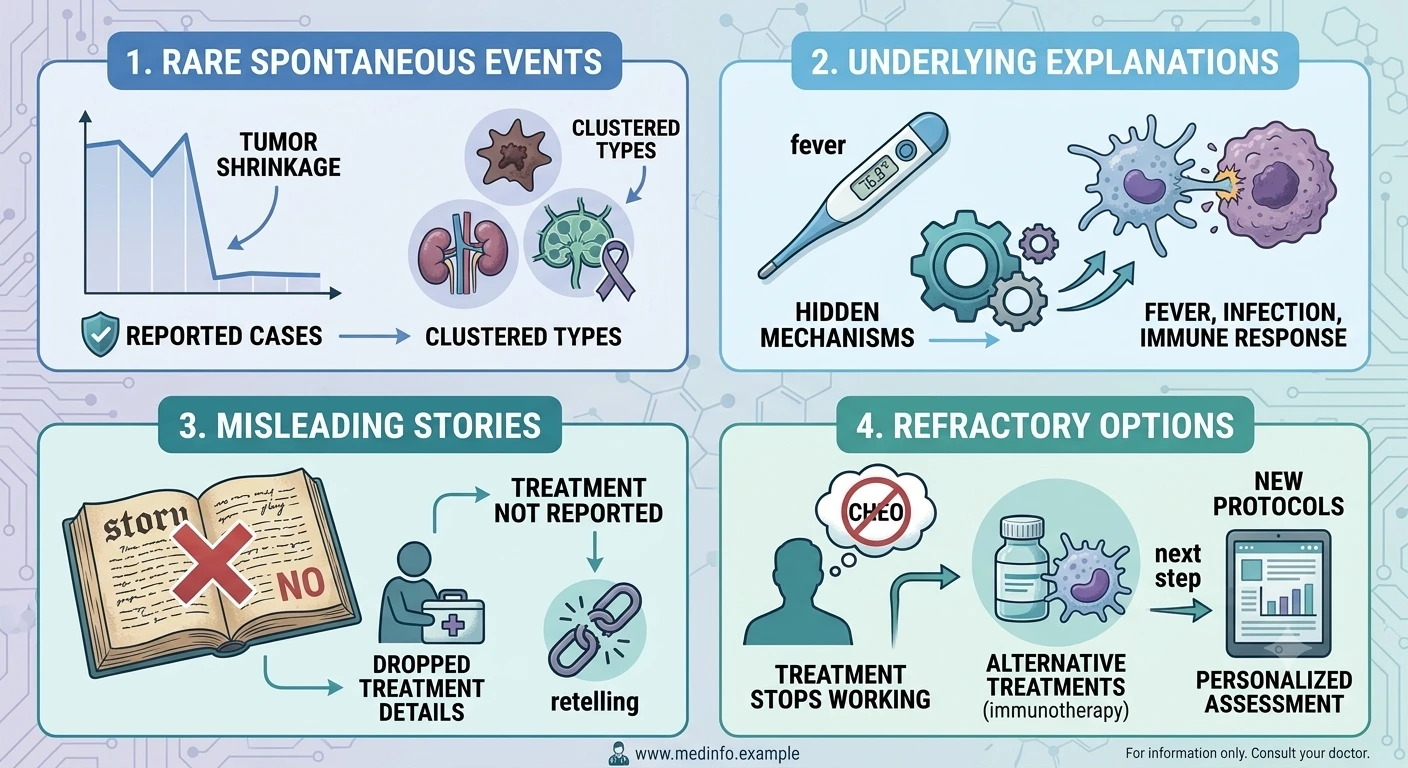
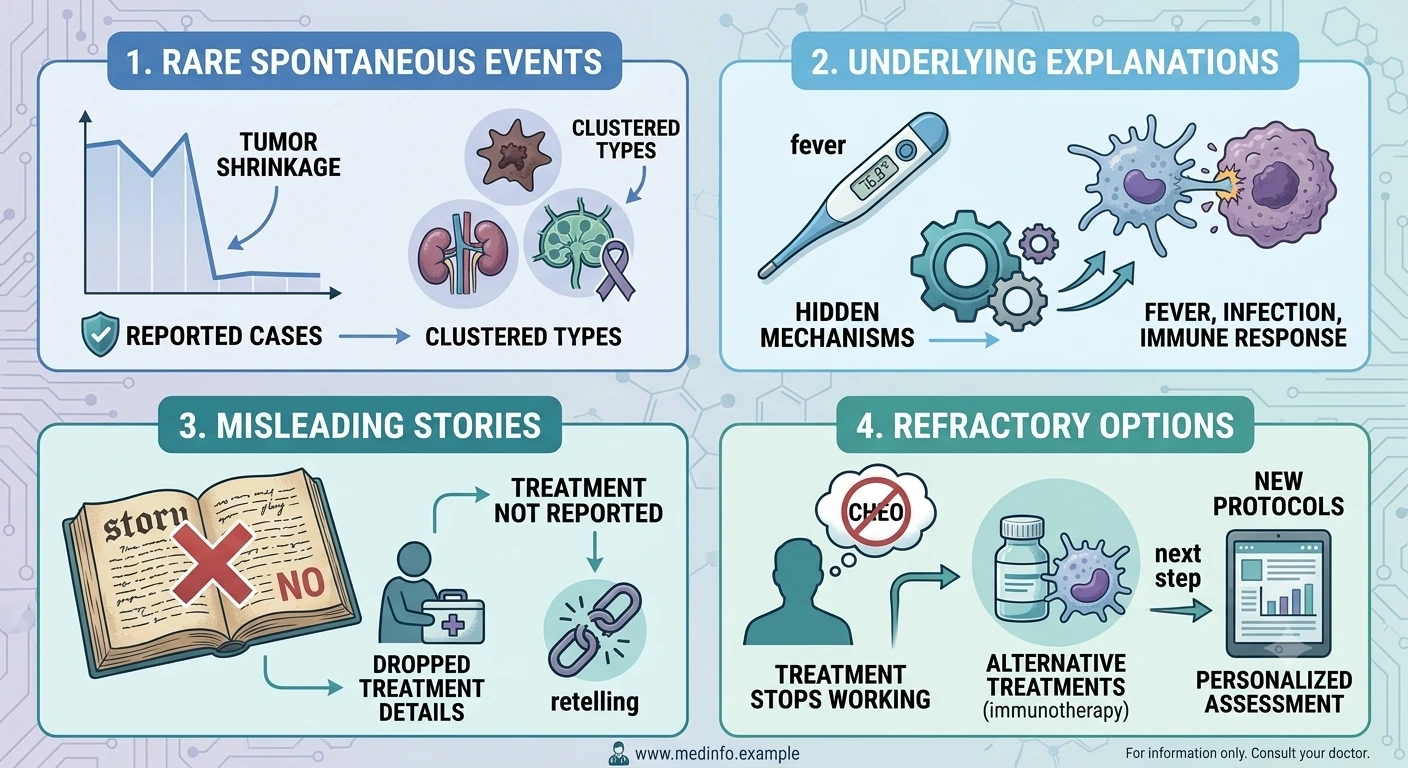
It does happen, just very rarely
Reported cases cluster in a few cancers, such as melanoma, kidney cancer and some lymphomas. Many are old reports with little detail.There’s often a quiet explanation
A fever, an infection or an immune reaction around that time can account for the shrinkage, and nobody noticed it back then.The miracle stories leave things out
A lot of them involve people who did have treatment, and that part drops out when the story gets retold.When one treatment stops working
That’s a different situation altogether. The blog on what happens if cancer doesn’t respond to chemotherapy goes through the options
What Does Stage 4 Cancer Survival Without Treatment Usually Look Like?
For most types, months rather than years
It varies a lot from one cancer to another, but untreated stage 4 disease generally keeps growing and spreading.
Slow-growing cancers are the exception
Some, certain prostate cancers for example, can be watched closely for long stretches because they move slowly. That’s planned monitoring under a doctor, not refusing care.
Skipping treatment also means skipping symptom relief
Palliative care eases pain, breathlessness and other symptoms, and it isn’t only for the end of life, as the blog on palliative care explains.
What Determines the Right Treatment Approach for Stage 4 Cancer?
Cancer type and where it has spread
Some stage 4 cancers respond very well to drugs, while others are harder to hold back.
Molecular features
Precision oncology testing can open up targeted options that weren’t obvious from the scans alone.
Overall health
How fit you are decides what can be offered safely.
Your own goals
Time, symptoms, family and quality of life all carry weight in the decision.
Palliative support
It can run alongside treatment from the very start.
A second opinion
Worth considering if you’re unsure, and what a second opinion involves is explained here.
FAQs
Can stage 4 cancer be cured?
Sometimes, in a few types such as testicular cancer and certain lymphomas. For most it’s about control, and many people get years of it.
Is refusing treatment ever reasonable?
It’s your decision. Talk it through with an oncologist first so you know what you’d be giving up.
Do alternative therapies work instead?
There’s no good evidence they can replace treatment, and some can interfere with it.
Should I get a second opinion?
If you’re unsure, yes. It’s a normal step and doesn’t commit you to anything.
Reference Links:
1. National Cancer Institute (NCI) – Metastatic Cancer: When Cancer Spreads
https://www.cancer.gov/types/metastatic-cancer
2. American Cancer Society – What Are Advanced and Metastatic Cancers?
https://www.cancer.org/cancer/understanding-cancer/what-is-cancer/advanced-and-metastatic-cancer.html
3. Cancer Research UK – Stages of Cancer
https://www.cancerresearchuk.org/about-cancer/what-is-cancer/stages-of-cancer
Desclaimer:
Information provided on this site is for education purposes only. You should always consult a medical professional for information on your individual situation.