

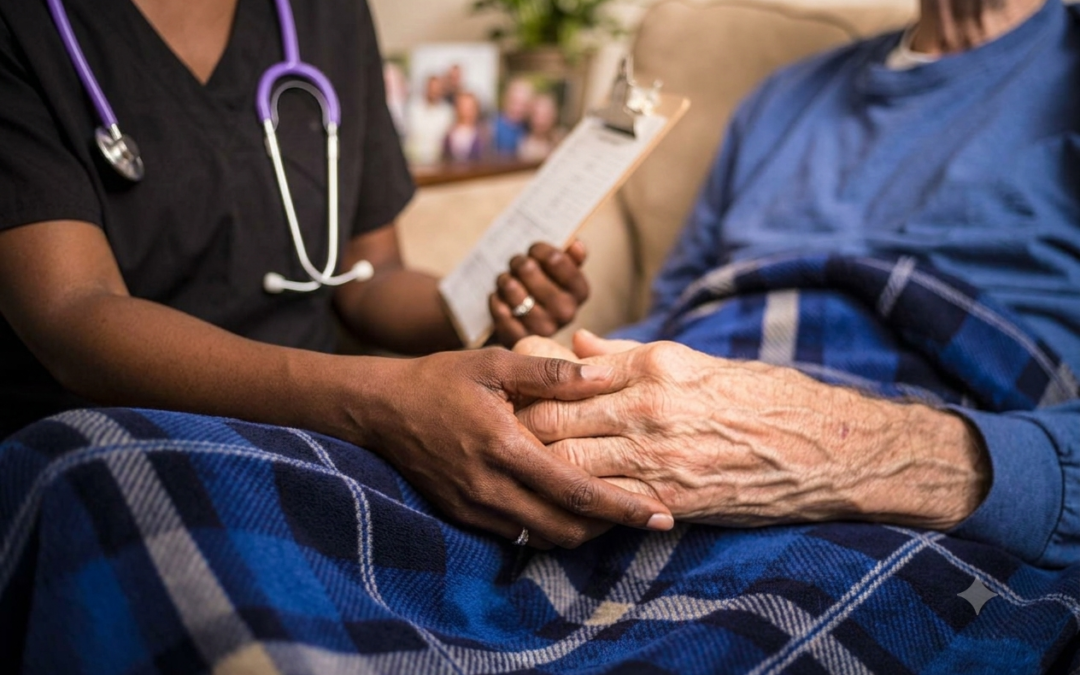
No, and this misunderstanding stops a lot of people from getting help that could genuinely improve their day to day life much earlier than they realise. Palliative care isn’t reserved for the final stretch, and it isn’t limited to cancer either. It’s a specialised approach focused on easing pain, managing symptoms, and reducing the stress that comes with any serious illness, at any point in that illness. Patients can receive it right alongside curative treatment, starting from the day of diagnosis if needed, not just when other options have run out.
Dr. Sandeep Nayak, who providesBest Cancer Treatment in Bangalore, sees this confusion trip up patients constantly. “The word palliative gets tied to hospice in people’s minds, and that’s simply not accurate. A patient starting chemotherapy with significant nausea, or someone dealing with pain from a tumour that’s still very much being actively treated, both benefit from palliative support. It’s not about giving up on treatment. It’s about not suffering unnecessarily while that treatment is happening.”
Managing symptoms or side effects and wondering if palliative care could help now?
What ERAS Involves Before and During Surgery?
Broader than most people expect. Built around comfort at every point of treatment, not saved for the end.
Pain and symptom management usually comes to mind first, and fair enough. Managing pain, nausea, fatigue, all the physical stuff that comes with both the illness itself and whatever’s being done to treat it.
Emotional and psychological support matters just as much. A serious diagnosis brings anxiety and fear that go far past the physical symptoms. Palliative care covers that side too, often working hand in hand with mental health professionals. Our blog on mental health during cancer goes deeper into this particular piece.
It runs alongside active treatment, not instead of it. Chemotherapy, radiation, surgery, none of that gets replaced. Palliative support sits right beside it, handling the side effects and burden those treatments create while the actual cancer treatment keeps going.
And it helps make sense of a complicated diagnosis too. Understanding what the options actually are, keeping specialists coordinated, having someone whose focus stays on quality of life throughout, that’s part of the package as well.
When Should Someone Actually Consider Palliative Care?
Much earlier than most people assume, and that timing genuinely makes a difference.
At the time of diagnosis, if symptoms are significant. There’s no rule that says palliative involvement has to wait. If pain or distress is present from the start, support can begin from the start too.
During active treatment, not just after it stops working. Chemotherapy side effects, post-surgical pain, treatment related fatigue, all of these are exactly what palliative care is designed to help manage while curative treatment is still ongoing.
Alongside any serious illness, not only cancer. Heart failure, chronic lung disease, and other serious conditions all qualify for this kind of support, since the approach is about the burden of illness itself, not a specific diagnosis.
Whenever quality of life needs attention. If day to day comfort, sleep, appetite, or emotional wellbeing is being affected, that’s reason enough to bring palliative care into the conversation, regardless of prognosis.
Why Choose MACS Clinic for Palliative Support Alongside Cancer Treatment?
Dr. Sandeep Nayak’s team at MACS Clinic integrates palliative support into the treatment plan from early on, rather than treating it as something introduced only once curative options are exhausted. Symptom management, emotional support, and quality of life are part of the ongoing conversation throughout treatment, not a separate track patients have to ask for.
For patients managing significant symptoms during active treatment, that support is available without needing to wait for a particular stage or prognosis to justify it. Dealing with pain, nausea, or other symptoms and want support alongside your current treatment? Reach the team at +91 9482202240.
FAQs
Does bringing up palliative care mean treatment's failing?
Not even slightly. It’s addressing symptoms and daily quality of life alongside whatever’s happening treatment wise, good or bad. Two separate things entirely, one doesn’t reflect on the other.
Can this start right after getting diagnosed?
Yes, and honestly, starting early tends to help more, especially if symptoms are already significant. No reason to wait until things get unbearable first.
.
Isn't this basically the same as hospice?
No, different things. Hospice is generally for patients near the end who’ve stopped curative treatment altogether. Palliative care fits into any stage, works fine alongside active treatment, doesn’t require stopping a single thing.
Who's actually involved in providing this kind of care?
Usually a whole team, the treating oncologist, pain specialists, sometimes psychological support too, all working together rather than leaving the patient to juggle separate appointments on their own.
Disclaimer: This content is published for educational and informational purposes only.