

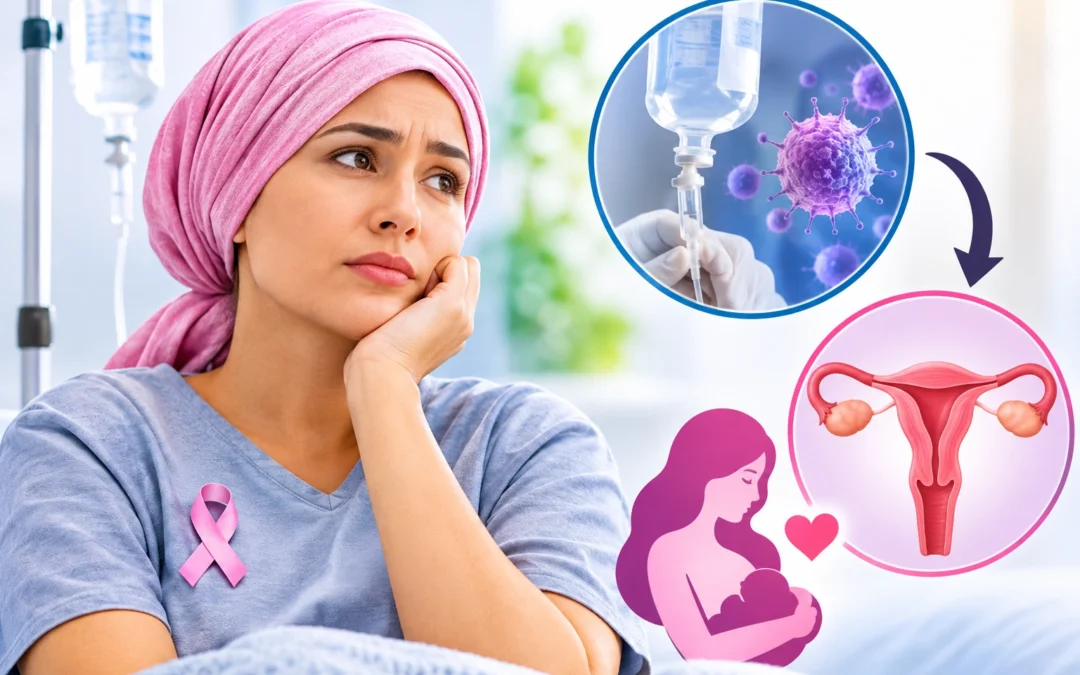
Yes, it can. Chemotherapy can cause temporary or permanent infertility, but it doesn’t affect everyone the same way. Whether fertility comes back depends on the drugs used, the dose, your age and whether you’re a man or a woman, and the best time to talk about it is before treatment starts.
Dr. Sandeep Nayak, who provides cancer treatment in Bangalore, at MACS Clinic, says, “Chemotherapy and fertility is a conversation I’d like patients to start at the very first visit, not after treatment. Some drugs barely touch fertility, others can damage it for good, and the same drug can behave differently in a 25-year-old and a 40-year-old. If we know early that someone wants children, there is usually something we can do before the first cycle.”
Concerned about fertility during chemotherapy? Explore your fertility preservation options and make informed decisions before starting treatment.
For who should plan ahead, see Who Needs Fertility Preservation in Cancer?
How Does Chemotherapy Affect Fertility in Women and Men?

- In women, it’s about the eggs and ovaries. Some drugs damage the eggs or use up the egg reserve. Periods may stop during treatment, and in some women the ovaries stop working early, which brings on an early menopause.
- Periods coming back doesn’t guarantee fertility. They can restart while the egg supply is still low, so a normal cycle isn’t proof that getting pregnant will be easy.
- In men, it’s about sperm production. Chemotherapy can lower the sperm count or stop it altogether. It may take months or years to return, and sometimes it doesn’t.
- Hormones often cope better than sperm. The cells that make testosterone usually hold up better than the cells that make sperm, so a man can feel normal and still be infertile.
- Children and teenagers can be affected too. The options differ depending on whether puberty has started, which is why the conversation matters at any age.
- Pregnancy and contraception during treatment. Pregnancy during chemotherapy isn’t safe for the baby, so reliable contraception is usually advised. Teams also often suggest condoms, because traces of some drugs can pass in semen.
Which Chemotherapy Drugs Affect Fertility Most, and Does It Come Back?

- Alkylating agents carry the highest risk. Cyclophosphamide, ifosfamide, busulfan and procarbazine are the usual examples, and the risk rises at higher doses.
- Platinum drugs sit in the middle. Cisplatin and carboplatin can affect fertility too, and a lot depends on the dose.
- Some drugs carry a lower risk. Methotrexate and fluorouracil are generally considered lower risk, though no chemotherapy drug is completely free of it.
- Dose and age both matter. The higher the total dose, the greater the risk. Women in their late thirties and forties have fewer eggs to begin with, so they tend to be hit harder.
- Other treatments can add to it. Radiation to the pelvis or brain, or surgery on the reproductive organs, can put fertility at further risk.
- Recovery can’t be predicted for one person. Sperm counts and periods can return within a year or two, later, or not at all. Tests such as a semen analysis, or blood tests like AMH and FSH, and a review by a fertility specialist can show where things stand.
For what comes after treatment, the previous blog on when you can get pregnant after cancer treatment goes through the timing.
What Determines How Chemotherapy Will Affect Your Fertility?
- The drugs and total dose. Which regimen is planned, and how much of each drug, is the biggest single factor.
- Age and sex. Both change the risk and the options that are open.
- Earlier treatment. Previous chemotherapy, pelvic radiation or reproductive surgery add to the risk.
- How much time there is. Sperm banking can take one to two days, while egg or embryo freezing takes roughly two weeks, as described in the post on freezing eggs or embryos before cancer treatment.
- What you want. Whether you hope to have children, and when, shapes how much effort goes into protecting fertility.
- Review by the whole team. Your oncologist and a fertility specialist looking at the plan together, ideally before the first cycle.
- Risks and limits. Fertility preservation doesn’t guarantee a baby. Medicines that rest the ovaries during chemotherapy have mixed evidence, preservation can take time, and it costs money. Not every patient has the time to do it before treatment must begin.
Key Takeaway
Chemotherapy can affect fertility, temporarily or permanently, depending on the drugs, the dose, your age and whether you’re a man or a woman. Raise it before the first cycle, since options such as sperm banking and egg or embryo freezing have to be done beforehand. Questions about your own situation are best discussed with your treating oncologist.
Frequently Asked Questions
1.Does chemotherapy always cause infertility?
No. It depends on the drugs, dose, age and sex, and many people recover in time.
2.Can fertility come back after chemotherapy?
Often, but it can’t be predicted for one person. Some people stay infertile.
3.Can I get pregnant during chemotherapy?
It’s possible, which is why contraception is advised, since chemotherapy is unsafe for a developing baby.
4.Should I raise fertility before treatment starts?
Yes, at the first visit if you can, because most options need to happen before the first cycle.
Disclaimer
This article is for patient education only. It is not medical advice and does not replace consultation with a qualified doctor. Risks and outcomes differ for each person.