
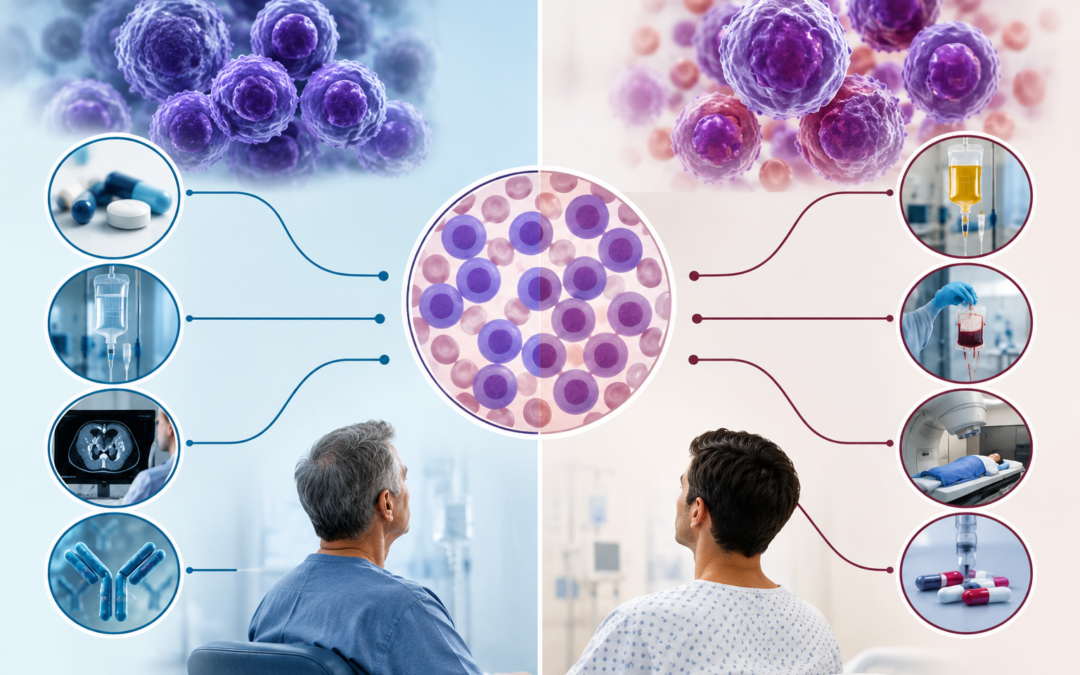
How Is CLL Treatment Different From Other Leukemias?
Mostly the pace. CLL is a slow cancer of mature B lymphocytes, and plenty of people diagnosed with it feel fine and don’t need a single drug at the start. Doctors check blood counts every few months and wait. Acute leukemias are the opposite. They arrive fast,...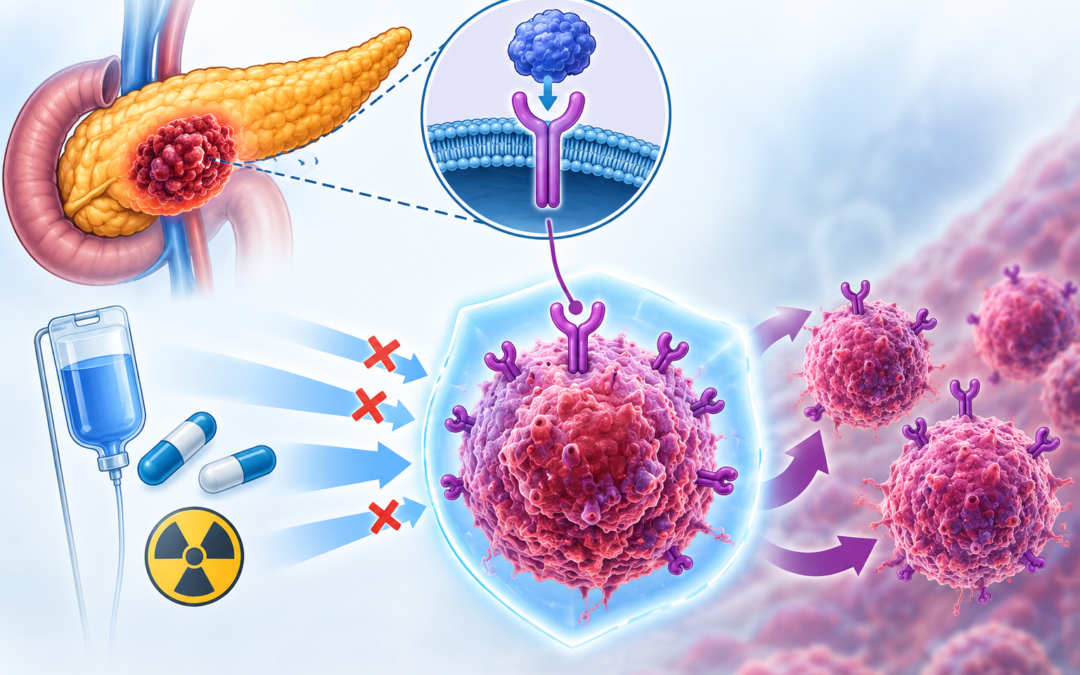
How Does IL1RAP Help Pancreatic Cancer Survive Treatment?
It props the tumour up from the inside. IL1RAP, the mouthful that stands for Interleukin-1 Receptor Accessory Protein, runs an inflammatory network inside pancreatic tumours that helps them shrug off the very treatments meant to kill them. Not by some direct trick,...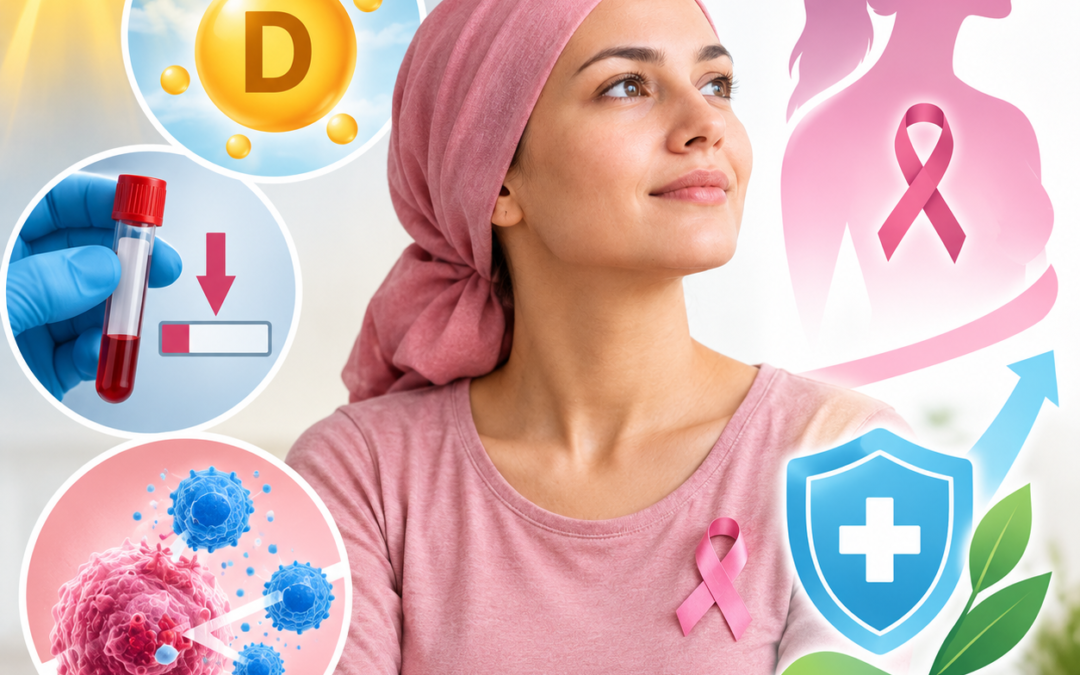
Can Vitamin D Deficiency Affect Breast Cancer Recovery?
Yes, and it’s not a small thing. Low vitamin D can drag on breast cancer recovery in a few real ways. It’s been linked to a higher chance of the cancer spreading, rougher treatment side effects, and poorer survival overall. None of that means a supplement...