

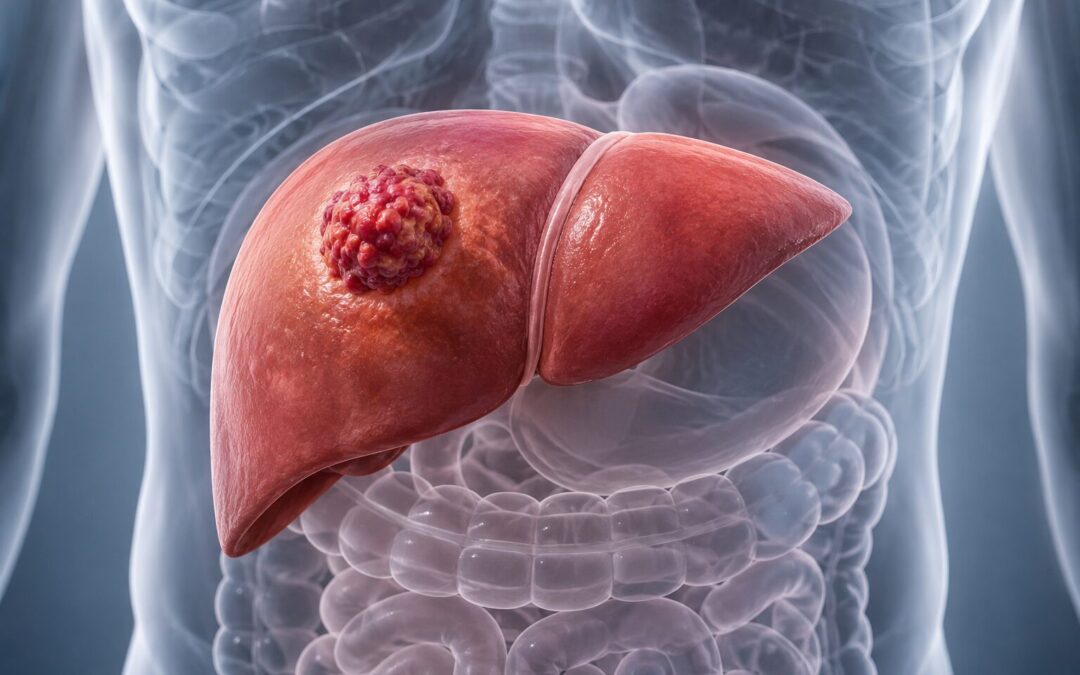
Yes, and often does. Liver cancer has a genuine talent for growing quietly, sometimes for months, without causing anything a person would notice. Part of the reason comes down to plain anatomy. The liver sits tucked behind the right rib cage, protected and out of reach, which means even a thorough physical exam can miss a tumour that’s already grown to a meaningful size. There’s just nothing to feel from the outside until things have progressed considerably. Symptoms, when they finally show up, tend to arrive only once the disease has advanced past the point where early intervention would have been easiest.
Dr. Sandeep Nayak, who provides Best Cancer Treatment in Bangalore, explains why this catches so many people off guard. “Patients are often shocked when imaging shows a sizeable tumour and they’ve felt completely fine. But that’s exactly how liver cancer tends to behave. The organ doesn’t have pain receptors spread through its tissue the way skin does, and it’s positioned where you simply can’t feel a growing mass from outside. By the time jaundice or abdominal swelling shows up, the disease has usually had a real head start.”
Worried about liver cancer risk and want proper screening?
Why Does Liver Cancer Stay Hidden for So Long?
A few specific factors work together here, more than with many other cancers.
Limited pain sensation in the liver itself. The liver has relatively few pain-sensing nerve fibres within its own tissue. A tumour can grow for a while without triggering the kind of pain that would send someone to a doctor.
Protected, hard-to-reach location. Tucked behind the ribs on the right side, the liver isn’t something a doctor can easily feel during a standard physical exam unless it’s grown significantly enough to push against surrounding structures.
The liver’s own resilience. The liver has substantial functional reserve, meaning it can keep working reasonably well even while a portion of it is affected by a growing tumour. This delays the point where symptoms of impaired liver function would actually appear.
Underlying liver disease masking new symptoms. Many people who develop liver cancer already have chronic conditions like hepatitis or cirrhosis. Early cancer symptoms can easily get attributed to the existing condition rather than recognized as something new. Our blog on what is hepatocellular carcinoma and its causes covers how these underlying chronic conditions specifically drive the most common form of liver cancer.
What Symptoms Eventually Show Up, and Why Are They Late Signs?
By the time these appear, the disease has usually been present for a while already.
Jaundice. Yellowing of the skin or eyes signals the liver isn’t processing bilirubin properly anymore, which typically means a significant portion of liver function has already been affected.
Abdominal swelling or pain. A growing tumour eventually reaches a size where it does press against surrounding structures or causes fluid buildup, creating discomfort that finally becomes noticeable.
Unexplained weight loss and fatigue. These general symptoms often appear once the cancer has advanced enough to affect overall metabolism and energy levels, rather than being an early warning sign.
Loss of appetite. A tumour pressing on the stomach or affecting normal digestive processes can reduce appetite, but again, this tends to happen later rather than early.
Our blog on what is hepatocellular carcinoma and its causes covers the most common type of liver cancer and what actually drives its development in more detail.
Why Choose MACS Clinic for Liver Cancer Diagnosis?
Dr. Sandeep Nayak’s team at MACS Clinic takes a proactive approach for patients with known risk factors, rather than waiting for symptoms that typically arrive only once the disease has advanced. Imaging, blood work, and thorough evaluation help catch liver cancer at a stage where treatment options remain broader.
For patients where liver cancer is diagnosed, our blog on liver resection vs transplant covers how surgical treatment decisions are made based on tumour size and liver function. Those with risk factors or concerns about liver cancer screening can reach the team at +91 9482202240.
FAQs
Can blood tests actually catch liver cancer before anything feels wrong?
Sometimes, yes. AFP combined with imaging can spot tumours in high-risk patients well before symptoms ever show up. That’s really the whole argument for screening, waiting for a symptom in this case usually means waiting too long.
If I feel fine, does that mean my liver's working fine?
Not necessarily, no. The liver’s oddly good at compensating. It can keep chugging along reasonably well even with a tumour growing inside it, so feeling normal doesn’t rule much out.
How do people even find out they have liver cancer without symptoms?
Usually by accident, honestly. A scan done for something completely unrelated picks it up. Or it’s caught through routine ultrasounds in someone already known to have hepatitis or cirrhosis.
Can it still be cured if it's caught this early?
Chances go up considerably, yes. Catching it before symptoms hit, especially through surveillance in high-risk patients, opens up more treatment paths, surgery included.
Disclaimer: This content is published for educational and informational purposes only.