

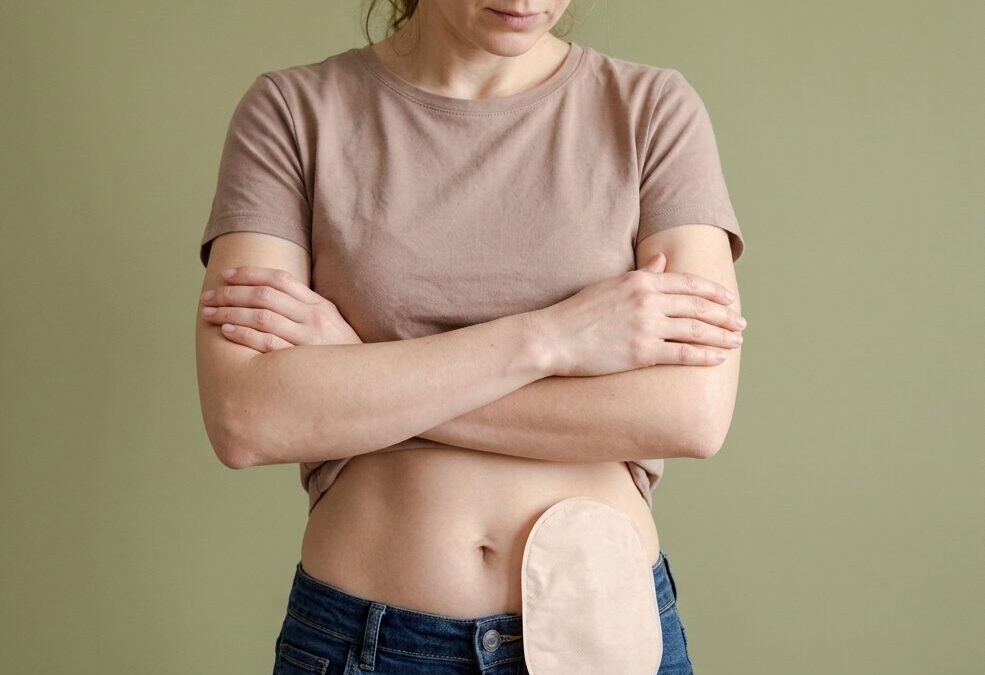
Yes, a stoma bag can be reversed after rectal surgery in most cases where a temporary diverting stoma was created. Loop ileostomies and loop colostomies placed to protect a new bowel joint during healing are designed to be closed in a second, smaller operation. That reversal typically happens 8 to 12 weeks after the main surgery, though some surgeons wait 3 to 6 months to allow full healing. Not everyone qualifies, and not every planned reversal actually happens.
According to Dr. Sandeep Nayak who provides, Best cancer treatment in Bangalore, “A temporary stoma is exactly that. It’s a planned step, not a permanent outcome. The reversal is straightforward surgery when the anastomosis has healed well and the patient is fit for a second operation. The patients who don’t get reversed are usually those where the original joint has leaked, healed poorly, or where adjuvant chemotherapy has delayed the timing longer than expected.”
Had a stoma placed during rectal surgery and wondered when it came down? The answer depends on how well the joint heals inside
What Makes a Stoma Temporary vs Permanent?
The difference is set during the first operation. But what was planned as temporary doesn’t always stay that way.
- How a Temporary Stoma Works:
A loop ileostomy or colostomy diverts stool away from a newly created bowel join, giving it 8 to 12 weeks to heal without faecal contamination. The join is still in place, intact. The stoma just takes stool away from it while it heals. Reversal closes the stoma and restores normal flow. - When Reversal Is Straightforward:
If the anastomosis heals cleanly and the patient recovers well, reversal is a relatively minor second operation. A contrast enema or flexible sigmoidoscopy confirms the join is intact and leak-free before reversal is scheduled. Most patients go home within two to three days after the reversal. - When Reversal Gets Delayed:
Anastomotic leak after the first operation changes everything. A leak requires the join to fully heal before reversal can happen. That can push the timeline from 3 months to 12 months or longer. Adjuvant chemotherapy also delays reversal because operating during treatment adds infection risk and slows healing. - When Temporary Becomes Permanent:
Around 30% of stomas that were created as temporary end up staying permanently. Reasons include a failed anastomosis that can’t be salvaged, recurrent cancer, patient fitness that never returns to a level safe for a second operation, or a patient who adapts well to the stoma and declines reversal.
Rectal Cancer Treatment planning at MACS Clinic discusses stoma timing and reversal expectations before the first operation so patients understand from the start what temporary actually means in their specific case.
What Affects Whether a Stoma Can Actually Be Reversed?
Several factors determine whether the reversal planned before surgery actually goes ahead.
- Anastomotic Healing:
The join inside must be fully healed, non-stenosed, and leak-free before reversal. A water-soluble contrast enema or endoscopy confirms this before the date is set. Rushing reversal before the join is ready risks the same complication the stoma was protecting against. - Patient Fitness for a Second Operation:
Reversal is a general anaesthetic procedure. Patients who’ve had a difficult recovery, lost significant weight, or are partway through chemotherapy may not be fit enough to safely undergo it. Fitness has to be reassessed at the reversal appointment, not assumed from the baseline. - Tumour-Free Status:
If surveillance imaging shows recurrent disease before the reversal date, the stoma stays until the recurrence is addressed. Operating on an anastomosis near recurrent tumour risks inadequate margins and failed healing. - Functional Expectation After Reversal:
Not everyone regains good bowel function after reversal, particularly after low anterior resection. Low anterior resection syndrome, with urgency, clustering, and frequency, affects a significant proportion of patients whose reversal goes technically well. Some patients after a full assessment prefer to keep a well-functioning stoma rather than live with severe bowel dysfunction.
Our previous blog on Colostomy Bag Surgery is worth a read for understanding what determines whether a stoma is created in the first place and what makes some stomas permanent from the outset.
Why Choose MACS Clinic for Stoma Reversal After Rectal Surgery?
Dr. Sandeep Nayak’s team at MACS Clinic sets the stoma reversal timeline before the first operation and reviews it at each follow-up. Anastomotic healing is confirmed with contrast imaging before reversal is scheduled, and patients on adjuvant chemotherapy are assessed at each cycle for whether reversal can happen between treatments or should wait until completion.
Patients here aren’t left wondering when their stoma comes down. The plan is explained before surgery, reviewed at 6 weeks, and revised based on what the healing actually shows. Those who want to discuss their specific timeline can reach the team at +91 8035740000.
FAQs
Can a stoma always be reversed after rectal surgery?
Not always. About 30% of temporary stomas end up permanent due to anastomotic complications, recurrent cancer, patient fitness, or personal choice.
How long after rectal surgery can a stoma be reversed?
Usually 8 to 12 weeks if healing is confirmed. Delays push this to 3 to 6 months or longer if adjuvant chemotherapy is ongoing or healing was complicated.
Does stoma reversal restore normal bowel function?
Not always. Low anterior resection syndrome with urgency and frequency affects many patients after reversal, particularly those who had surgery close to the sphincter.
How is anastomotic healing confirmed before reversal?
A water-soluble contrast enema or flexible sigmoidoscopy checks that the join is intact, leak-free, and not stenosed before reversal is scheduled.
Disclaimer: This content is published for educational and informational purposes only.