

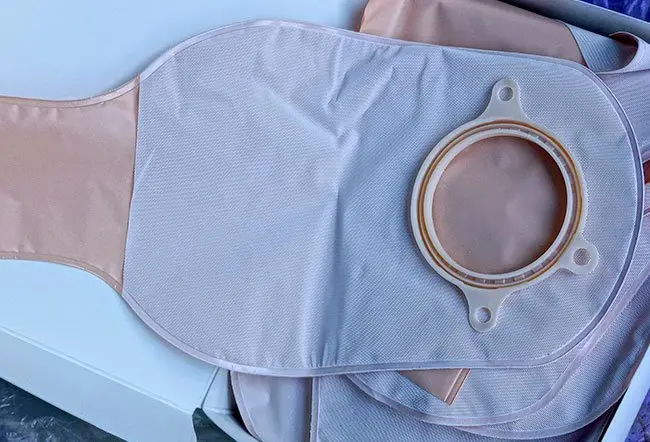
A permanent colostomy bag is avoidable in up to 90% of rectal cancer cases when the tumour does not directly involve the anal sphincter and sphincter function is sufficient to preserve. Sphincter-saving procedures including intersphincteric resection and ultra-low anterior resection remove the cancer while restoring bowel continuity. The decision depends on tumour position on MRI, sphincter function assessment, and response to neoadjuvant chemoradiation before surgery.
According to Dr. Sandeep Nayak, Best cancer treatment in Bangalore, “A permanent colostomy is not the default outcome for rectal cancer. It becomes necessary only when the tumour directly involves the sphincter complex or when sphincter function is too compromised to make preservation clinically worthwhile. The clinical assessment that determines this must be rigorous, not optimistic.”
Facing rectal cancer surgery and worried about a permanent bag? The answer depends on where the tumour sits and how the sphincter functions.
What Determines Whether a Colostomy Bag Can Be Avoided?
Several clinical factors are assessed before any decision on sphincter preservation is made.
- Tumour Distance from Sphincter:
Tumours located more than 1 to 2 cm above the dentate line are candidates for sphincter-preserving resection. Those invading the sphincter complex directly require abdominoperineal resection with permanent colostomy regardless of surgical technique available. - Pre-operative Sphincter Function:
Existing poor sphincter function makes preservation technically achievable but functionally ineffective. A patient with pre-operative incontinence will not regain bowel control after sphincter-saving surgery and is better served by a planned permanent stoma. - Neoadjuvant Chemoradiation Response:
Locally advanced tumours that respond well to pre-operative chemoradiation shrink sufficiently to convert borderline cases into clear sphincter-saving candidates. Response assessment after chemoradiation is a defined step in the planning process before surgery is confirmed. - Surgical Expertise and Volume:
Intersphincteric resection and ultra-low anterior resection rank among the most technically demanding operations in colorectal surgery. Clinical outcomes in sphincter preservation are directly related to surgical volume and specific training in these procedures.
The full scope of rectal cancer surgical options, including when sphincter preservation is and is not appropriate, is covered on the Rectal Cancer treatment page.
What Surgical Options Avoid a Permanent Colostomy?
Specific sphincter-preserving techniques are used depending on how close the tumour sits to the anal canal.
- Intersphincteric Resection:
The internal sphincter is removed along with the tumour, while the external sphincter is preserved, restoring voluntary bowel control. This approach is used for ultra-low rectal cancers within 1 to 5 cm of the anal opening, where conventional surgery would require permanent colostomy. - Ultra-Low Anterior Resection:
The rectum is removed with total mesorectal excision, and bowel continuity is restored through coloanal anastomosis. A temporary diverting ileostomy protects the join and is reversed 8 to 12 weeks later after healing is confirmed. Not permanent. - Robotic Assistance:
The narrow male pelvis limits instrument access in low rectal dissection. Robotic surgery provides superior angulation and precision in the pelvis, allowing nerve-sparing dissection and sphincter preservation in cases where standard laparoscopic instruments cannot safely manoeuvre in that anatomical space. - When APR Is Still Necessary:
Abdominoperineal resection with permanent colostomy remains the correct operation when the tumour directly invades the sphincter, when sphincter function is too compromised to preserve, or when attempting preservation would leave positive surgical margins.
Our previous blog on Permanent Stoma Bag is worth a read for a detailed understanding of what determines stoma avoidance and the clinical criteria that guide that decision.
Why Choose MACS Clinic for Rectal Cancer Surgery?
Dr. Sandeep Nayak’s team at MACS Clinic has performed over 300 rectal cancer surgeries including intersphincteric resection using robotic assistance for cases where other centres had recommended permanent colostomy. Every low rectal cancer case receives a formal sphincter-saving feasibility assessment based on MRI staging, sphincter manometry, and chemoradiation response before the surgical approach is confirmed.
The assessment of whether colostomy can be avoided is a clinical judgement that requires complete staging data, objective sphincter function testing, and surgical expertise in both the procedure and its outcomes. Those who want to discuss their specific case can reach the team at +91 8035740000.
FAQs
Can all rectal cancer patients avoid a colostomy bag?
No. Tumours directly involving the anal sphincter or with severely compromised sphincter function still require permanent colostomy for oncologically safe resection.
What is intersphincteric resection for rectal cancer?
A sphincter-saving procedure that removes the internal sphincter along with the tumour while preserving the external sphincter and restoring bowel control.
Is a temporary stoma the same as a permanent colostomy?
No. A temporary diverting ileostomy protects the bowel anastomosis after sphincter-preserving surgery and is reversed 8 to 12 weeks later. A permanent colostomy is created when the sphincter cannot be preserved.
Does robotic surgery improve chances of avoiding a colostomy?
Robotic assistance improves surgical precision and access in the narrow pelvis, supporting sphincter-preserving resection in cases where standard laparoscopic instruments have limited manoeuvrability.
Disclaimer: This content is published for educational and informational purposes only.