

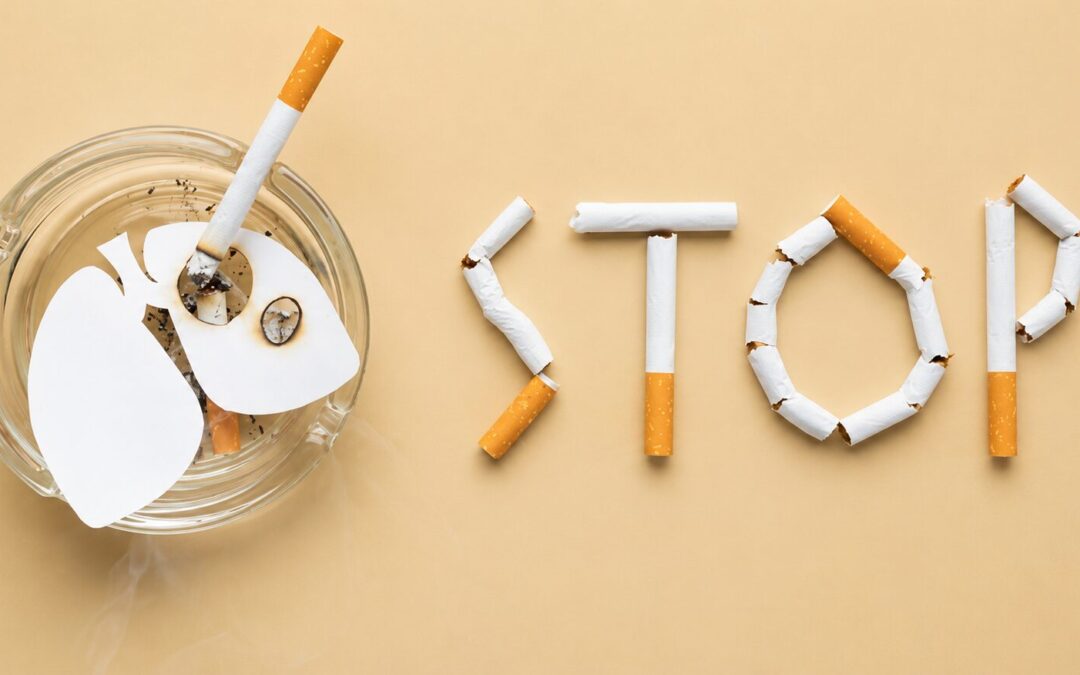
Yes, and the evidence behind this is pretty solid. Even stopping just a few weeks before an operation meaningfully lowers the risk of serious breathing problems, heart complications, and wound infections afterward. It also speeds up how quickly the body actually recovers once surgery’s done. Smoking doesn’t just affect the lungs in some vague long term way, it directly impacts how tissue heals, how the heart handles the stress of anesthesia, and how well oxygen actually gets delivered throughout the body during a period when the body needs every advantage it can get.
Dr. Sandeep Nayak, who providesSurgical Oncologist in India, sees this conversation come up regularly before major surgery. “Patients sometimes think a few weeks won’t make much difference, and that’s simply not true. Even a short smoke free window before surgery improves oxygen delivery and reduces complications in ways that genuinely show up in outcomes. It’s one of the few things a patient has real control over going into surgery, and I always encourage using that window if there’s any time before the operation date.”
Facing cancer surgery and want guidance on quitting before your procedure?
Why Does Smoking Actually Increase Surgical Risk?
A few specific mechanisms explain why this matters so much clinically.
Reduced oxygen delivery. Smoking affects how efficiently blood carries oxygen throughout the body, which matters enormously during surgery and anesthesia, when tissues need reliable oxygen supply to function and heal properly.
Slower wound healing. Nicotine constricts blood vessels, reducing blood flow to healing tissue. This directly affects how well surgical wounds close and heal, increasing the risk of complications at the incision site.
Higher infection risk. Smoking suppresses immune function to some degree, and combined with slower wound healing, this raises the likelihood of surgical site infections considerably compared to non smokers.
Increased respiratory complications. Smokers face higher rates of pneumonia, breathing difficulties, and other lung related complications after surgery, partly due to how smoking affects lung function and the body’s ability to clear secretions properly. Our blog on can elderly patients tolerate robotic cancer surgery covers a related principle, that overall physiological reserve, which smoking directly reduces, significantly shapes how well someone tolerates major surgery.
Cardiac strain during anesthesia. Smoking affects cardiovascular function, and the added stress of anesthesia and surgery can be riskier for smokers, particularly those with any underlying heart concerns.
How Long Before Surgery Should Someone Actually Quit?
Timing matters, though even a short window genuinely helps.
Ideally, four to eight weeks before surgery. This gives the body meaningful time to improve oxygen delivery, lung function, and overall healing capacity before the operation, and is associated with the most significant reduction in complications.
Even two weeks makes a measurable difference. While longer is generally better, research shows that even a shorter smoke free period before surgery still meaningfully reduces certain risks compared to smoking right up until the operation date.
Quitting the day of surgery still helps somewhat. It’s genuinely never too late to stop, even quitting immediately before surgery removes some of the most acute risks tied to recent nicotine and carbon monoxide exposure in the bloodstream.
Staying smoke free after surgery matters too. Continuing to avoid smoking during the recovery period supports better healing and reduces the risk of complications well beyond just the immediate post operative window. Our blog on what is recovery like after robotic cancer surgery covers how various factors, including habits like smoking, shape how smoothly that recovery period actually goes.
Why Choose MACS Clinic for Pre-Surgical Preparation?
Dr. Sandeep Nayak’s team at MACS Clinic discusses smoking cessation as a genuine, actionable part of surgical planning, not just a passing recommendation mentioned once. Patients get practical guidance on quitting resources and realistic timelines based on how much time exists before their specific surgery date.
For patients managing multiple health factors heading into surgery, the full pre-operative assessment considers everything that affects surgical risk and recovery together, not smoking cessation in isolation. Facing cancer surgery and want support with quitting beforehand? Reach the team at +91 9482202240.
FAQs
Only a week left before surgery, is quitting even worth it?
Definitely still worth doing. More time helps more, sure, but even seven days without a cigarette cuts down some of the immediate risk from recent nicotine in the system.
Does using nicotine patches or gum mess with surgery in any way?
Worth bringing up with the surgical team directly, since it can go either way depending on the patient. Some find it genuinely helps them quit in time for the operation, but that decision really needs to be tailored to the individual.
Why does smoking make anesthesia trickier?
It comes down to lung function mostly, and how the body handles the anesthesia itself. Both take a hit from smoking, which is exactly why the anesthesia team asks about smoking history before planning anything.
Is this just about the weeks before surgery, or should someone stop for good?
The pre-surgery window gets most of the attention, sure, but quitting for good pays off far beyond just the operation. Lower recurrence risk for several cancer types included.
Disclaimer: This content is published for educational and informational purposes only.