

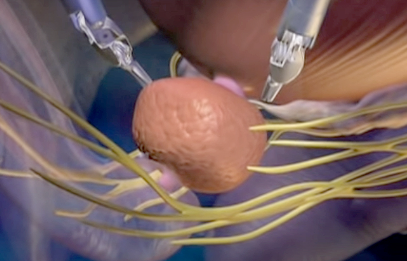
Robotic cancer surgery typically takes between 1 to 4 hours, though common procedures like prostatectomies often last 2 to 4 hours, depending on complexity. While the robotic technique is highly precise and minimally invasive, the total time is influenced by factors such as patient anatomy, the tumor’s complexity, and the surgeon’s experience.
According to Dr. Sandeep Nayak,Best cancer treatment in Bangalore, “Patients fixate on how long the surgery takes like shorter means better. A 2-hour operation that leaves positive margins is worse than a 4-hour one that gets every cancer cell out clean. Duration follows the disease not a stopwatch.”
Your surgery takes exactly as long as your cancer needs it to.
What Decides the Duration?
No two robotic cancer surgeries take the same time. The cancer decides the clock not the surgeon’s preference for a quick finish.
- Cancer type: Robotic prostatectomy runs 2-3 hours because the anatomy is consistent and the dissection space is defined. Robotic rectal surgery with ISR and node dissection takes 4-5 hours because the pelvis is tighter and the planes are more demanding.
- Tumor size: Small contained tumor comes out faster. Bulky mass stuck to surrounding structures needs careful dissection millimeter by millimeter. Rushing through adhesions or unclear margins to save an hour creates problems that take months to fix.
- Node dissection: Adding central or lateral lymph node clearance extends surgery by 1-2 hours. MIND technique for neck nodes adds its own time. Each level dissected adds complexity and skipping nodes to shorten the operation is not a shortcut worth taking.
- Surgeon experience: First 50 robotic cases take longer than the 500th. Docking time drops, instrument changes get faster, decision-making sharpens. Experienced team finishes the same operation 30-40 minutes quicker than a team still climbing the learning curve.
Your oncologist explains expected duration for your specific procedure during MACS advantages consultation based on your scans and staging.
Does Longer Surgery Mean Worse Outcome?
Patients equate shorter with better. In cancer surgery that logic doesn’t hold.
- Thoroughness matters: Surgeon spending extra 45 minutes to get a clear margin on a difficult posterior plane is doing you a favour not wasting time. Positive margin means re-excision or radiation that could’ve been avoided if the first operation hadn’t been rushed.
- Nerve preservation takes time: Robotic prostatectomy done in 90 minutes by skipping careful nerve dissection saves time but costs continence or potency. Same surgery done in 3 hours with meticulous nerve sparing gives the patient a functional life afterward. Speed and function trade against each other.
- Complex cases run longer: CRS-HIPEC runs 8-12 hours. Pelvic exenteration runs 6-8 hours. These aren’t long because something went wrong. They’re long because the disease demanded it and the surgeon respected that demand.
- Recovery doesn’t change much: Difference between a 3-hour and 4-hour robotic surgery in terms of post-op recovery is negligible. Both go home in 2-4 days. Both resume normal life in 2-3 weeks. The hour that felt important on the operating table becomes irrelevant by day five.
Understanding how foods affect cancer risk through sustained exposure over years helps appreciate why surgical thoroughness over speed produces better long-term outcomes.
Why Choose MACS Clinic?
Dr. Sandeep Nayak has performed thousands of robotic cancer surgeries across prostate, rectal, thyroid, head and neck, and gynecological cancers with operative times that reflect experience not haste. MACS Clinic has both Da Vinci robotic and laparoscopic platforms available so the right tool gets picked for the right cancer.
Surgery here takes exactly as long as the disease needs. Not longer because the team is slow and not shorter because someone wanted to finish before lunch.
Call +91 8035740000 to book your consultation.
FAQs
How long does robotic prostate surgery take?
Typically 2-3 hours including nerve-sparing dissection and lymph node sampling.
Is longer robotic surgery more dangerous?
No, duration reflects complexity not risk. Thorough surgery produces better outcomes.
How long is hospital stay after robotic surgery?
Most patients go home within 2-4 days depending on the procedure performed.
Does robotic surgery take longer than open surgery?
Similar or slightly longer but faster recovery makes total treatment time shorter.
References Link-
- Robotic surgery operative times — National Cancer Institute
- Minimally invasive surgical outcomes — World Health Organization
Disclaimer: The information shared in this content is for educational purposes and not for promotional use.