

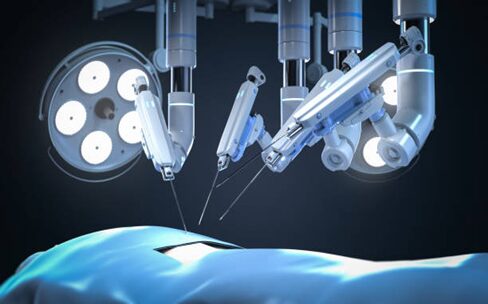
Cancer surgery has long been a cornerstone of effective cancer treatment, aimed at removing tumors and preventing disease spread. Over the years, surgical techniques have evolved significantly from open surgeries to minimally invasive approaches. Today, robotic surgery represents one of the most advanced innovations, offering unmatched precision, smaller incisions, and faster recovery. It enables surgeons to perform complex procedures with greater accuracy and control, thereby improving patient outcomes.
Dr. Sandeep Nayak, an internationally recognized surgical oncologist in India, states, “Robotic surgery has transformed the way we approach cancer operations. It enables greater precision while minimizing trauma to surrounding tissues, leading to quicker recovery and better quality of life for patients.”
Dr. Sandeep Nayak leads a highly skilled team at MACS Clinic, known for delivering advanced cancer treatment in Bangalore. With extensive experience, he specializes in cutting-edge techniques, including robotic surgery for cancer. With his multidisciplinary team, modern technology, and personalized treatment plans, Dr. Nayak ensures each patient receives world-class cancer care with a strong focus on safety, precision, and long-term outcomes.
In this guide on How Is Robotic Surgery Performed Step by Step?, we’ll walk you through the entire process in a simple, easy-to-understand way.
Why Robotic Surgery Is Preferred Today
Robotic surgery is increasingly preferred due to its advanced technology and patient-friendly outcomes. Unlike traditional open surgery, it entails small incisions and robotic arms controlled by the surgeon.
Key advantages include:
- High precision for complex tumor removal
- Minimal blood loss during surgery
- Smaller incisions lead to less pain
- Lower risk of complications
- Faster recovery time
- Shorter hospital stays
These benefits make robotic surgery for cancer a preferred option for many patients and surgeons alike.

Considering advanced surgical options? Get in touch with a specialist to determine whether your condition is suitable for robotic surgery.
How does robotic surgery actually take place? Let’s understand it step by step.
Step-by-Step Process of Robotic Surgery
Pre-Surgical Planning
Before surgery, detailed imaging tests such as CT scans or MRIs are performed. These help the surgeon map the tumor location and plan the procedure precisely.
Anesthesia Administration
The patient is given general anesthesia to ensure comfort and a pain-free experience during surgery.
Small Incisions
The surgeon makes a few small incisions (keyhole-sized) instead of one large cut.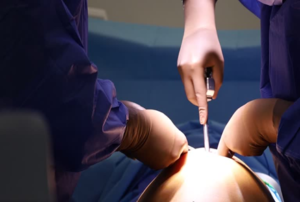
Robotic System Setup
Robotic arms with surgical instruments and a camera are inserted through these incisions.
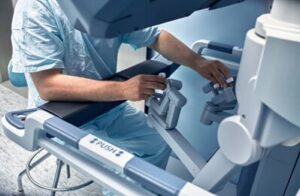
Surgeon Controls the Robot
The surgeon sits at a console and controls the robotic arms. The system provides a high-definition, 3D view of the surgical area.
Tumor Removal
Using precise movements, the surgeon removes the tumor while preserving healthy tissue.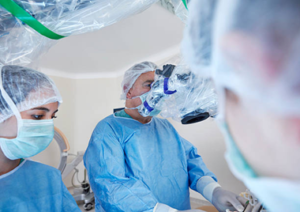
Closure
Once the procedure is complete, the instruments are removed, and the small incisions are closed with sutures.
This step-by-step approach ensures maximum precision with minimal disruption to the body.
How much time does robotic surgery usually take? Let’s break it down.
How Long Does Robotic Surgery Take?
The duration of robotic surgery depends on several factors:
- Type of cancer and procedure
- Complexity of the tumor
- Patient’s overall health
On average:
- Simple procedures may take 1–2 hours
- Complex cancer surgeries may take 3–6 hours
Although robotic surgery may sometimes take slightly longer than traditional surgery, the benefits, such as reduced complications and faster recovery, make it worthwhile.
Is robotic surgery safe for cancer treatment? Let’s address this concern.
Is Robotic Surgery Safe?
“Yes, robotic surgery is considered highly safe when performed by an experienced professional. It combines advanced technology with expert surgical control,” explains Dr. Sandeep Nayak.
Safety advantages include:
- Enhanced precision reduces errors
- Better visualization of the surgical area
- Lower infection risk
- Reduced blood loss
- Improved surgical outcomes
The robot does not operate independently; the surgeon is in complete control at all times.
Looking for safe and advanced cancer surgery? Reach out to an expert to explore minimally invasive options.
What happens after surgery? Let’s understand the recovery process.
Recovery After Robotic Surgery
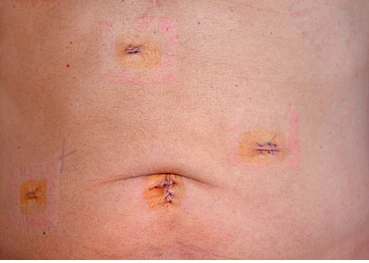
Recovery after robotic surgery for cancer is generally faster and smoother compared to traditional surgery.
What to expect:
- Short hospital stay (1–3 days in most cases)
- Less post-operative pain
- Faster return to daily activities
- Minimal scarring
- Lower risk of complications
Patients are usually advised to follow a balanced diet, engage in light activity, and attend regular follow-ups for optimal recovery.
Conclusion
Understanding How Robotic Surgery Is Performed Step by Step helps patients feel more confident and prepared for treatment. With its precision, safety, and faster recovery benefits, robotic surgery is transforming modern cancer care. It allows surgeons to perform complex procedures with minimal impact on the body, improving both outcomes and quality of life.
At MACS Clinic, Dr. Sandeep Nayak and his team provide advanced robotic surgery for cancer, ensuring personalized and effective cancer treatment in Bangalore. With expert care and cutting-edge technology, patients receive the best possible support throughout their treatment journey.
FAQs
How long does robotic surgery take?
It typically takes 1 to 6 hours, depending on the complexity of the procedure.
Is robotic surgery painful?
Patients usually experience less pain compared to traditional open surgery.
What is the recovery time after robotic surgery?
Recovery is faster, with most patients resuming normal activities within a few weeks.
Will I have scars after robotic surgery?
Scars are minimal due to the small incisions used during the procedure.
Who performs robotic cancer surgery?
A trained surgical oncologist controls the robotic system throughout the procedure.
Can robotic surgery treat all types of cancer?
It is suitable for many cancers, but not all. Suitability depends on the type and stage.
Is hospitalization required after robotic surgery?
Yes, but the hospital stay is usually shorter compared to traditional surgery.
Are there any risks in robotic surgery?
Like any surgery, there are risks such as infection or bleeding, but they are generally lower.
Is robotic surgery better than traditional surgery?
In many cases, yes, due to better precision and quicker recovery.
Is robotic surgery expensive?
It can be costlier than traditional surgery but offers better outcomes and faster recovery.
References
https://www.cancercenter.com/treatment-options/surgery/surgical-oncology/robotic-surgery
Disclaimer: The information shared in this content is for educational purposes and not for promotional use.