
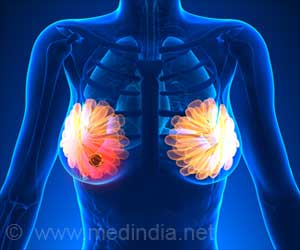
IORT stands for Intraoperative Radiation Therapy, a technique that delivers a single concentrated dose of radiation directly to the tumor bed during breast conservation surgery while the patient is still under anesthesia. This replaces 30-45 days of daily external radiation sessions with one 20-40 minute treatment completed inside the operating room before the incision closes. Dr. Sandeep Nayak introduced IORT using the Intrabeam device in India and MACS Clinic remains one of the few centers in the country actively offering it.
According to Dr. Sandeep Nayak, Best cancer treatment in Bangalore,
“Women were skipping radiation altogether because they couldn’t commit to 6 weeks of daily hospital visits. IORT solved that by putting the entire course inside the surgery itself. Thirty days of treatment done in thirty minutes.”
Cancer surgery and radiation finished before you leave the operating table.
How Does IORT Work ?
Standard breast radiation after lumpectomy means visiting the hospital five days a week for 3-6 weeks. IORT collapses that entire timeline into the surgery itself.
- During surgery: Surgeon removes the tumor through lumpectomy. Before closing the wound, the Intrabeam device is placed directly into the tumor cavity. Radiation is delivered to the tissue surrounding the excision site for 20-40 minutes while the patient remains under anesthesia.
- Targeted dose: Radiation hits only the high-risk tissue immediately around where the cancer sat. Heart, lungs, and skin on the opposite side get virtually zero exposure. External radiation treats the whole breast including tissue that was never near the cancer.
- Single sitting: Patient wakes up from surgery with both the tumor removed and radiation completed. No daily trips to the hospital for weeks afterward. No arranging transport, no taking time off work repeatedly, no caregiver scheduling for six straight weeks.
- TARGIT protocol: Based on the international TARGIT-A trial published in BMJ showing equivalent local recurrence rates between IORT and conventional whole-breast radiation for selected early breast cancers. Not experimental, not unproven, backed by over a decade of published follow-up data.
Your oncologist assesses IORT eligibility during breast cancer surgical planning based on tumor characteristics and patient profile.
Who Qualifies for IORT ?
IORT works for a specific subset of early breast cancer patients. Offering it to someone who needs whole-breast radiation just to shorten their treatment timeline is bad medicine wearing a convenience mask.
- Early-stage cancer: T1 or small T2 tumors, unifocal disease, clear margins on intraoperative assessment. The cancer has to be small enough and contained enough that treating only the tumor bed covers the recurrence risk adequately without whole-breast coverage.
- Age above 45-50: Younger women have higher local recurrence rates and most IORT protocols restrict eligibility to women over 45 or 50 depending on the trial criteria. Younger patients generally still benefit from conventional whole-breast radiation for the broader coverage it provides.
- Favorable biology: Estrogen receptor positive, HER2 negative, low to intermediate grade tumors. Aggressive triple-negative or HER2-positive cancers carry higher recurrence patterns that single-site radiation may not adequately cover.
- No extensive DCIS: Large ductal carcinoma in situ component around the invasive tumor suggests microscopic disease spread beyond the immediate tumor bed. IORT’s focused field may miss these extensions that whole-breast radiation would have caught.
Knowing how VEIL procedure reduces groin surgery complications through smarter access helps appreciate why IORT follows the same principle of delivering treatment precisely where it matters instead of treating everything broadly.
Why Choose MACS Clinic?
Dr. Sandeep Nayak introduced IORT using Intrabeam in India and has performed this procedure on eligible breast cancer patients since the technology became available domestically. MACS Clinic is one of the very few active IORT centers in Karnataka offering this as a routine option not an occasional experiment.
Woman qualifies for IORT here and she walks out with surgery and radiation both done. Woman doesn’t qualify and the team says so honestly instead of fitting her into a protocol that wasn’t designed for her tumor biology.
FAQs
How long does IORT take during breast surgery?
Radiation delivery takes 20-40 minutes added to the lumpectomy procedure time.
Does IORT replace all radiation after breast surgery?
For eligible patients yes, it replaces the full 30-45 day external radiation course.
Is IORT proven to be as effective as standard radiation?
Yes, the TARGIT-A trial shows equivalent local recurrence rates for selected patients.
Who is not a candidate for IORT?
Young women, aggressive tumor biology, large DCIS component, or multifocal disease.
References
- TARGIT-A trial results for IORT — National Cancer Institute
- Intraoperative radiation therapy guidelines — World Health Organization