

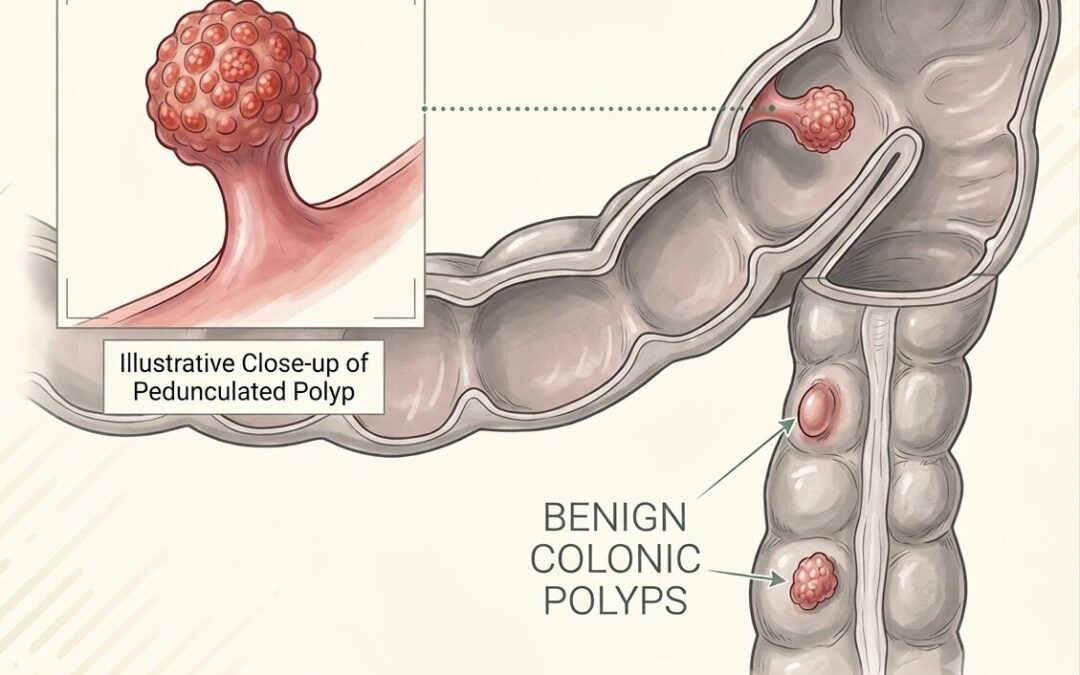
Lynch syndrome, previously called HNPCC, is an inherited genetic condition caused by mutations in DNA mismatch repair genes. It’s the most common cause of hereditary colorectal cancer, responsible for about 2% to 5% of all cases. People who carry it face a 40% to 80% lifetime risk of developing colorectal cancer, often decades earlier than the general population. Diagnosis in the 30s and 40s is common. Without surveillance, most carriers will develop cancer at some point.
According to Dr. Sandeep Nayak,who provides Best cancer treatment in Bangalore, “Lynch syndrome is one of the few hereditary cancer conditions where the cancer is largely preventable if we catch it in time. The mutation doesn’t guarantee cancer. What it does is shorten the timeline from polyp to cancer dramatically. Regular colonoscopy every one to two years is what changes the outcome for these patients.”
Family history of colon cancer at a young age and wondering if Lynch syndrome could be the reason? That question is worth answering properly
What Is Lynch Syndrome and How Does It Work?
The genetics aren’t complicated once you understand what the affected genes actually do.
- Mismatch Repair Gene Mutations:
Lynch syndrome is caused by mutations in MLH1, MSH2, MSH6, or PMS2. These genes normally fix errors that occur when DNA copies itself. When they don’t work, errors pile up in rapidly dividing cells. The colon is full of those. So that’s where cancers tend to appear first. - Autosomal Dominant Inheritance:
Each child of a Lynch syndrome carrier has a 50% chance of inheriting the mutation. It doesn’t skip generations. And it affects men and women equally. So if one parent has it, the risk to children is real and testable. - MSI-High Tumours:
Cancers that develop in Lynch syndrome carriers show microsatellite instability, or MSI-high status, because the mismatch repair system isn’t working. This has a direct clinical implication. MSI-high colon cancers respond well to pembrolizumab. So the genetic syndrome affects not just cancer risk but also how the cancer is treated if it does develop. - Not Just Colon Cancer:
Lynch syndrome raises the risk for endometrial cancer in women to 40% to 60%, which is actually higher than the colon cancer risk in MSH6 carriers specifically. Ovarian, gastric, urinary tract, and brain cancers are also elevated. It’s a multi-organ syndrome, not a colon-only condition.
So when someone is diagnosed with Lynch syndrome, surveillance covers more than just the colon. Colon Cancer Treatment for Lynch syndrome patients includes accelerated colonoscopy intervals and discussion of risk-reducing options based on which gene is affected.
How Is Lynch Syndrome Diagnosed and Managed?
Testing is simpler than most people assume and management is well-established once the diagnosis is confirmed.
- Universal Tumour Testing:
All newly diagnosed colorectal cancers are now tested for MMR deficiency using immunohistochemistry. It’s called universal screening. A tumour that loses expression of MLH1, MSH2, MSH6, or PMS2 protein raises a flag for Lynch syndrome. Germline genetic testing then confirms whether the mutation is inherited. - Amsterdam and Bethesda Criteria:
Before universal screening became standard, Lynch syndrome was identified through family history patterns. Three or more relatives with Lynch-associated cancers, spanning two generations, with at least one diagnosed under 50. But family history alone misses about half of carriers. That’s why tumour testing matters more. - Colonoscopy Every One to Two Years:
Carriers need colonoscopy starting at 20 to 25 years of age, or 10 years before the youngest family diagnosis, whichever comes first. And every one to two years, not every five. Because the adenoma to cancer sequence in Lynch syndrome takes one to three years. Not ten to fifteen like sporadic colon cancer. - Cascade Testing for Family Members:
Once a Lynch syndrome mutation is identified in one family member, first-degree relatives should be offered testing. A blood test. That’s all it takes to know. And knowing changes the surveillance plan and potentially the cancer outcome for every relative who tests positive.
Our previous blog on Oncoplastic Breast Surgery is worth a read for understanding how surgical decisions in cancer are shaped by genetics and individual risk profiles, a principle that applies equally to Lynch syndrome management.
Why Choose MACS Clinic for Lynch Syndrome and Colon Cancer?
Dr. Sandeep Nayak’s team at MACS Clinic tests all colorectal cancer patients for MMR deficiency and refers confirmed Lynch syndrome cases for germline testing and genetic counselling. Surveillance colonoscopy intervals, endometrial surveillance for female carriers, and discussion of risk-reducing surgical options are all part of how Lynch syndrome is managed here, not just the colon cancer that may result from it.
Because catching Lynch syndrome in one patient changes the surveillance plan for every first-degree relative in that family. And for a condition where the cancer is largely preventable, that’s worth getting right. Those who want to discuss their family history can reach the team at +91 8035740000.
FAQs
What is Lynch syndrome in colon cancer?
An inherited condition where DNA repair genes don’t work properly, leading to colon cancer much earlier than usual. Lifetime risk can reach 80%. It accounts for 2% to 5% of all colorectal cancer cases.
How do I know if I have Lynch syndrome?
A tumour from any affected family member can be tested for the DNA repair defect, followed by a blood test to confirm the inherited mutation. Family history alone misses about half of carriers.
Does Lynch syndrome only cause colon cancer?
No. Women carriers also face a 40% to 60% endometrial cancer risk. Stomach, ovarian, urinary tract, and brain cancers are elevated too.
How often do Lynch syndrome carriers need a colonoscopy?
Every one to two years from the mid-20s. Polyps in Lynch syndrome can turn cancerous in one to three years, so the standard five-year schedule isn’t adequate.
Disclaimer: This content is published for educational and informational purposes only.