

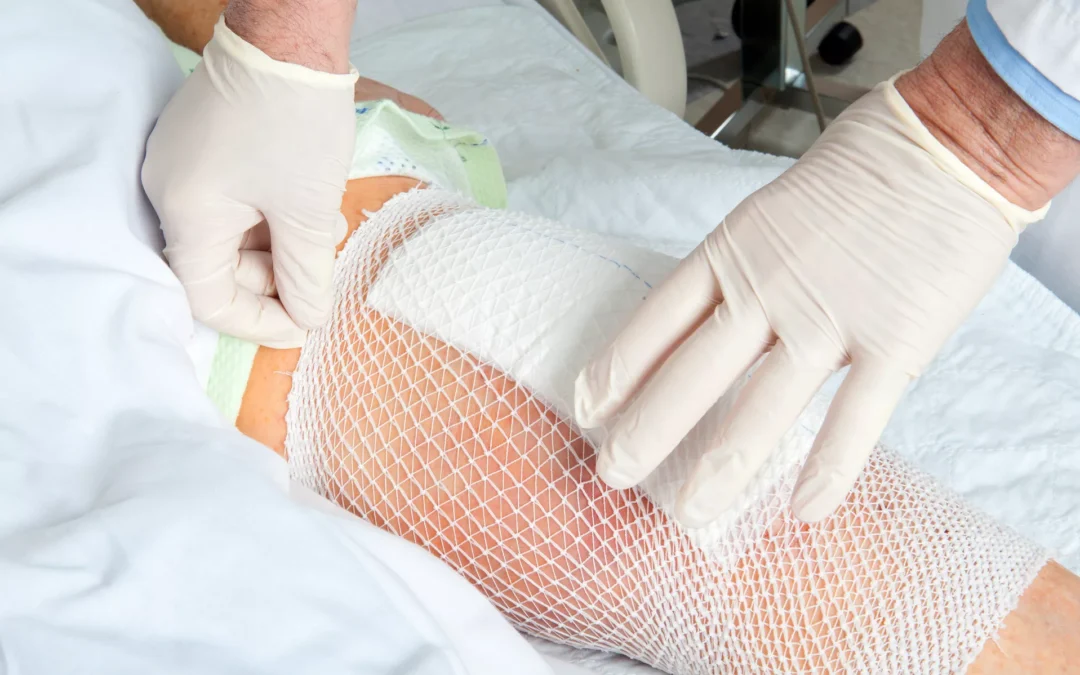
Common signs of infection after cancer surgery include fever above 100.4°F or 38°C, spreading redness around the incision, thick or foul-smelling discharge, increasing pain at the wound site, and swelling that gets worse instead of better. Surgical site infections affect roughly 2-5% of cancer surgery patients and risk goes up if you’re diabetic, malnourished, or starting chemo within weeks of the operation.
According to Dr. Sandeep Nayak, Best cancer treatment in Bangalore,
“Infection after cancer surgery is not always obvious because patients expect some pain and redness, so they wait too long thinking it’s normal when bacteria are already getting a head start.”
What Does a Surgical Site Infection Look Like
Tricky part is early infection and normal healing look almost identical first couple of days. Some redness, swelling, mild soreness. All expected after someone cuts you open. Difference is what happens on day 3 and which direction things move from there.
- Redness spreading: Pink right around the cut is healing. Redness creeping past the edges, skin feeling hot when you press near it, that’s not your body fixing things. Normal healing redness shrinks. Infection redness grows. Pretty simple test actually.
- Discharge changes: Clear or yellowish fluid leaking in small amounts first few days is wound serum, totally normal stuff. Moment it turns thick, cloudy, greenish, or starts smelling when you peel the dressing back, bacteria moved in. Your body makes pus to fight them and that’s your signal.
- Fever: Mild temperature bump first 24-48 hours can happen just from the body’s inflammatory response to being operated on. Fever hitting 100.4°F after day 2-3 though, especially with chills or night sweats, that’s not inflammation anymore. Call your surgeon. Don’t pop paracetamol and hope.
- Pain increasing: Should get a tiny bit better each day. That’s the normal direction. If pain plateaus around day 3-5 or actually ramps back up instead of easing, something underneath went sideways. Worsening pain plus any sign above together is your body telling you loud and clear.
Talk to your surgical team about what normal looks like for your specific operation so you have a MACS advantages baseline to measure against at home.
What Should You Do If You Suspect Infection
Don’t wait for your next scheduled visit. Biggest mistake cancer surgery patients make with wound trouble. Week later what could’ve been five days of oral antibiotics now needs IV drip and possibly wound reopening. Seen it happen too many times.
- Call same day: Fever, pus, redness moving outward, pain going wrong direction. Any one of these past day 2-3 warrants a call. Surgeon’s team would genuinely rather hear from you ten times over nothing than once too late when bacteria had five days to settle in.
- Skip home remedies: Putting antibiotic cream, turmeric paste, neem water, or whatever your neighbor suggested on a potentially infected surgical wound makes diagnosis harder. Can actually trap bacteria underneath a nice clean-looking surface. Clean gauze, phone call. That’s the whole plan.
- Take photos daily: Same angle, same lighting, every morning. Sounds like overkill but when you call saying redness is spreading they’ll ask compared to when. Yesterday’s photo next to today’s makes the conversation instantly useful instead of you trying to describe something from memory.
- Go to hospital directly: Wound edges separating, deeper tissue visible, pus actively draining and won’t stop. Don’t call first for these. Just go. These need hands-on assessment not phone advice or dietary changes alone.
Catching infection within first 48 hours of symptoms keeps treatment simple. Read more about wound care after cancer surgery to understand how proper daily care stops most infections before they start.
Why Choose MACS Clinic?
Dr. Sandeep Nayak’s team at MACS Clinic does robotic and laparoscopic surgery leaving tiny incisions with significantly lower infection rates than open cuts. Less wound surface means less real estate for bacteria and faster closure. Math is simple.
You get a direct number at discharge. Not a hospital switchboard bouncing you between departments for twenty minutes while you’re staring at a wound wondering if it’s infected. A number that connects to someone who knows what surgery you had and what your incision looked like the day you left.
Call +91 8035740000
Book your consultation for cancer treatment at MACS Clinic, Bangalore.
FAQs
How common is infection after cancer surgery?
Surgical site infections affect roughly 2-5% of cancer surgery patients.
Can infection delay my chemotherapy schedule?
Yes, active infection usually postpones chemo until wound fully heals.
Do antibiotics prevent surgical infection?
Preventive dose is given during surgery but doesn’t eliminate all risk.
Are robotic surgery patients less likely to get infections?
Yes, smaller incisions carry significantly lower infection rates overall.
References
- Surgical wound care guidelines — National Cancer Institute.
- Post-operative wound management — World Health Organization.