

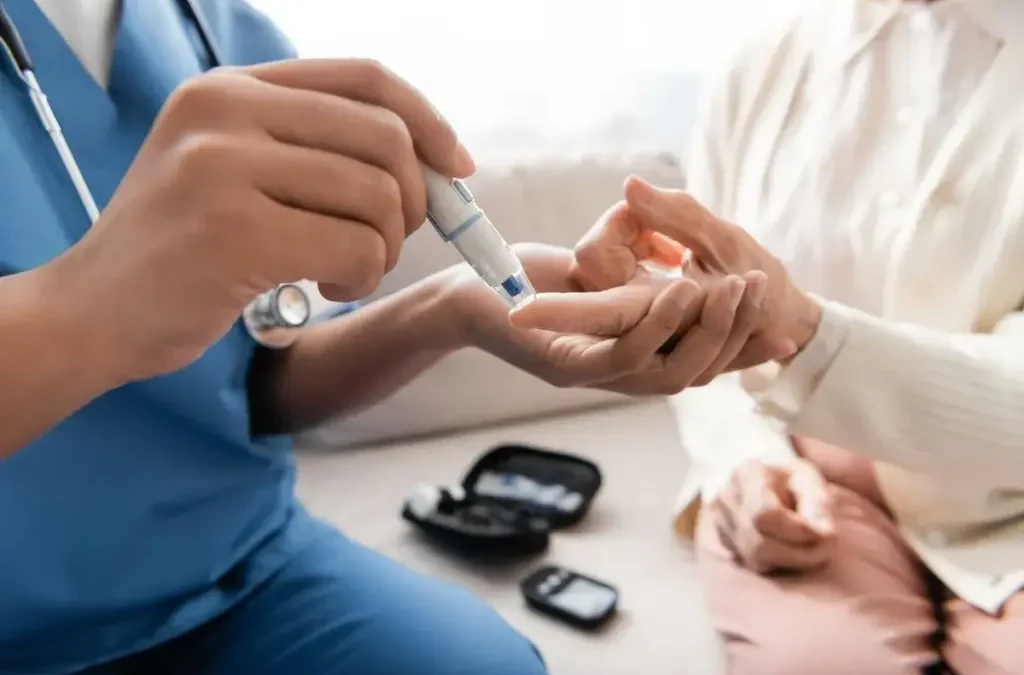
Yes, diabetic patients can undergo cancer surgery safely when blood sugar is controlled below 200 mg/dL pre-operatively and the surgical team manages glucose actively through the operation and recovery. Uncontrolled diabetes increases wound infection risk by 2-3 times, slows healing, and raises chances of post-op complications but none of that means surgery is off the table. It means the preparation has to be better. Most cancer centers operate on diabetic patients daily because refusing surgery over a manageable condition while cancer grows unchecked makes zero clinical sense.
According to Dr. Sandeep Nayak, Best cancer treatment in Bangalore, “Diabetes complicates surgery but cancer kills. We don’t let blood sugar numbers stop an operation that could save someone’s life. We fix the sugar first then we fix the cancer.”
What Makes Surgery Riskier for Diabetic Patients?
Diabetes doesn’t make surgery impossible. Makes it trickier. Your body handles stress, healing, and infection differently when insulin isn’t doing its job properly and the surgical team needs to account for every one of those differences before, during, and after the operation.
- Wound healing: High glucose damages small blood vessels and slows collagen formation at the incision site. Diabetic surgical wounds take 30-50% longer to close compared to non-diabetic patients. That’s not a reason to skip surgery. It’s a reason to get your HbA1c below 8% before the date is set.
- Infection risk: Bacteria love sugar. Elevated blood glucose at the time of surgery doubles or triples surgical site infection rates. Tight glucose control in the 48 hours surrounding the operation drops that risk back down close to normal levels. Anesthetist monitors this hourly during the procedure.
- Heart complications: Diabetics often have silent coronary artery disease that shows no symptoms until surgical stress unmasks it. Pre-op cardiac workup with ECG and echo catches problems that would otherwise surprise everyone mid-operation. Nobody wants surprises when someone’s chest is open.
- Kidney stress: Diabetic kidneys already work harder than they should. Anesthesia drugs, contrast dyes for imaging, post-op antibiotics all pile additional load onto organs that were already struggling. Checking creatinine and eGFR beforehand tells the team exactly how much those kidneys can handle.
Surgical team builds the entire plan around your diabetes when reviewing MACS advantages including minimally invasive approaches that reduce every complication diabetic patients worry about.
How Should Diabetic Patients Prepare for Cancer Surgery?
Preparation starts weeks before surgery not the night before admission. Diabetic body needs more runway to get into shape for what’s coming and shortcuts here cost you during recovery.
- HbA1c target: Get below 8% ideally below 7% if surgery date allows 4-6 weeks of optimization. Endocrinologist adjusts your medications, sometimes switches oral drugs to insulin temporarily. Sounds aggressive but controlled sugar going into surgery versus uncontrolled is the difference between healing in two weeks and fighting infection for six.
- Medication adjustments: Metformin usually stops 24-48 hours before surgery. Some oral drugs pause. Insulin doses change on surgery morning. Your anesthetist and diabetologist work together on a specific protocol because generic advice like “skip your morning tablet” isn’t good enough when cancer surgery is on the line.
- Nutrition loading: Diabetic patients often eat poorly out of fear of sugar spikes. But going into surgery malnourished with low albumin is worse than having slightly higher glucose. Dietitian balances protein-heavy meals that keep sugar manageable and muscle mass intact. Both matter.
- Foot and skin check: Sounds random but diabetic patients with existing foot ulcers or skin infections carry bacteria that can seed into the surgical wound. Clearing any active infection before cancer surgery removes a risk factor most people never think about.
Getting diabetes managed before surgery prevents most complications people fear. Read about wound care after cancer surgery to understand why glucose control stays critical even after you leave the hospital.
Why Choose MACS Clinic?
Dr. Sandeep Nayak’s team at MACS Clinic operates on diabetic cancer patients regularly using robotic and laparoscopic techniques that leave smaller wounds with lower infection risk. Smaller incision on a diabetic body means less surface area where glucose-related healing problems can develop.
Pre-surgical glucose optimization happens here before any surgery date gets confirmed. Endocrinologist, dietitian, anesthetist all coordinate around your diabetes because treating it as an afterthought is how complications happen. Team here treats it as priority number one alongside the cancer itself.
Call +91 8035740000 to book your consultation.
Book your consultation for cancer treatment at MACS Clinic, Bangalore.
FAQs
Can Type 2 diabetics safely have cancer surgery?
Yes, with proper glucose control most Type 2 diabetics tolerate surgery well.
Should I stop metformin before cancer surgery?
Usually yes, 24-48 hours before surgery per your anesthetist’s instructions.
Does diabetes increase cancer surgery complications?
Uncontrolled diabetes does. Well-managed diabetes brings risk close to normal.
What blood sugar level is safe for surgery?
Most surgeons want fasting glucose below 200 mg/dL on the morning of surgery.
References
- Diabetes management in surgical patients — National Cancer Institute
- Perioperative glucose control guidelines — World Health Organization