

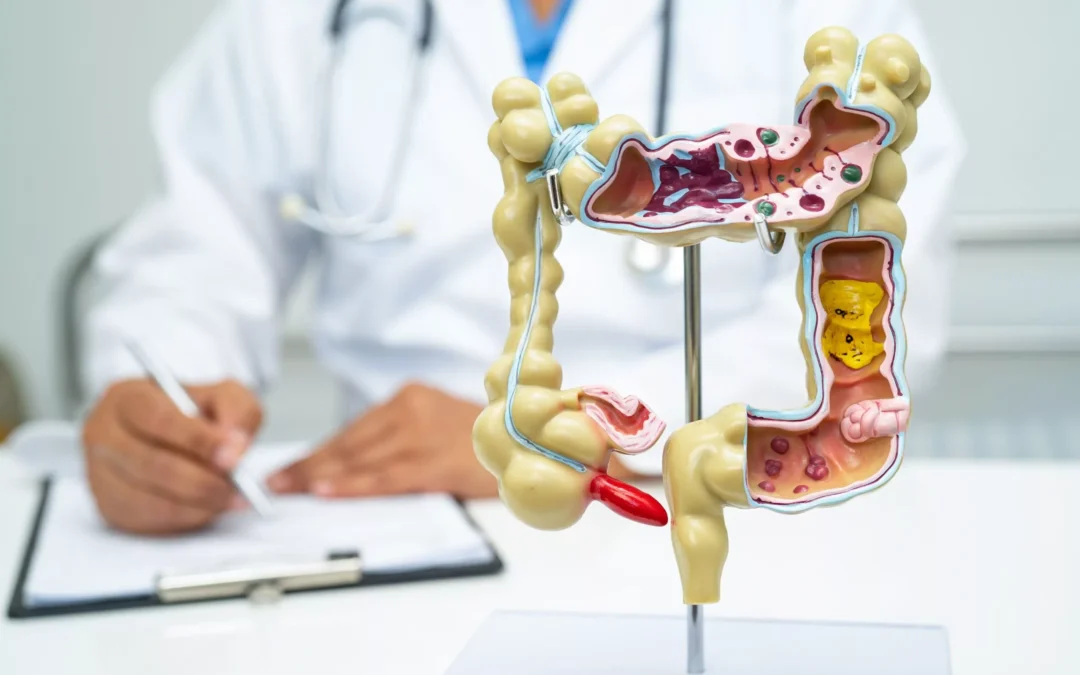
Intersphincteric resection or ISR is a sphincter-saving surgery for ultra-low rectal cancers sitting within 1-5 cm of the anal opening where traditional surgery would remove the entire sphincter and leave you with a permanent stoma. ISR removes the tumor along with the internal sphincter while preserving the external sphincter so you keep voluntary bowel control. Avoids permanent colostomy in up to 90% of carefully selected patients. Changed the game for low rectal cancer treatment over the last fifteen years.
According to Dr. Sandeep Nayak, Rectal Cancer Treatment in Bangalore, “Fifteen years ago these patients had no choice but a permanent bag. ISR gave us a way to cure the cancer and save the sphincter in the same operation which is something I never take for granted.”
How Is ISR Surgery Actually Performed?
Not a simple snip and stitch. This is one of the most technically demanding operations in colorectal surgery because the surgeon is working millimeters from the muscle that controls your bowel and one wrong move in either direction means either cancer left behind or a sphincter that doesn’t work.
- Dissection plane: Surgeon enters the space between the internal and external sphincter from above through the pelvis and below through the anus simultaneously. Internal sphincter gets removed with the tumor specimen. External sphincter stays intact. That plane of dissection is tissue-paper thin in some patients.
- Coloanal anastomosis: Once the rectum and internal sphincter are out the surgeon pulls the colon down and hand-stitches it directly to the remaining anal canal. This join sits extremely low which is why most patients get a temporary protective ileostomy diverted upstream for 8-12 weeks while the connection heals.
- Robotic advantage: Robot’s articulating wrists and 3D magnification make deep pelvic dissection significantly easier and more precise than open or even standard laparoscopic approaches. Nerve preservation is better. Margin accuracy is better. In a space this tight those millimeters of extra precision genuinely matter.
- Temporary stoma: Almost all ISR patients wake up with a temporary ileostomy. Sounds counterintuitive when the whole point was avoiding a bag but this one protects the ultra-low join while it heals. Gets reversed in 2-3 months once imaging confirms everything sealed properly. Small price for keeping your sphincter.
Team walks you through the entire procedure during your MACS advantages consultation including realistic expectations about temporary stoma and functional recovery.
Who Qualifies for ISR and Who Doesn't?
Not every low rectal cancer patient gets ISR. Tumor has to meet specific criteria and so does the patient. Offering it to someone who doesn’t qualify just to avoid saying the word stoma is dangerous surgery disguised as good news.
- Tumor height: Cancer sitting 1-5 cm from the anal verge with no invasion into the external sphincter. Below 1 cm there’s not enough sphincter left to work with. Above 5 cm standard low anterior resection usually handles it without needing ISR at all.
- External sphincter status: MRI must confirm the external sphincter is uninvolved. Cancer growing into the external muscle means ISR won’t get clear margins and attempting it anyway leaves disease behind which defeats the entire purpose of the operation.
- Pre-op function: Patient’s baseline continence matters. Someone with pre-existing incontinence or weak pelvic floor won’t benefit from sphincter preservation because the sphincter they’re keeping wasn’t working properly to begin with. Honest assessment here saves people from a surgery that sounds good but delivers poorly.
- Response to chemoradiation: Most ISR candidates get neoadjuvant chemoradiation first to shrink the tumor. Good responders with significant downsizing become better ISR candidates because smaller tumor means easier dissection and wider margins. Poor responders may need abdominoperineal resection instead.
Right candidate selection is what separates ISR success from ISR regret. Read about why cancer surgery sometimes requires a stoma to understand the full picture of sphincter-saving versus stoma outcomes in rectal cancer.
Why Choose MACS Clinic?
Dr. Sandeep Nayak has performed over 300 rectal cancer surgeries including ISR procedures using robotic assistance in cases where other centers recommended permanent colostomy. MACS Clinic is one of the few centers in India with the volume and expertise to offer ISR as a routine option rather than a rare experiment.
Team here doesn’t promise sphincter preservation to every low rectal cancer patient who walks through the door. They look at your MRI, check your sphincter function, assess your chemoradiation response, and then tell you honestly whether ISR will work for your specific cancer or not. Because false hope followed by a failed operation is worse than a straight answer upfront.
Call +91 8035740000 to book your consultation.
Book your consultation for cancer treatment at MACS Clinic, Bangalore.
FAQs
What does ISR stand for in rectal cancer surgery?
Intersphincteric resection, a sphincter-saving technique for ultra-low rectal cancers.
Does ISR avoid permanent stoma completely?
In up to 90% of selected cases yes, though temporary stoma is needed.
How long is recovery after ISR surgery?
Full functional recovery takes 3-6 months including stoma reversal period.
Is ISR available at all cancer hospitals?
No, it requires specialized training and high-volume rectal surgery experience.
References
- Sphincter-preserving surgery for rectal cancer — National Cancer Institute
- Intersphincteric resection outcomes — World Health Organization.