

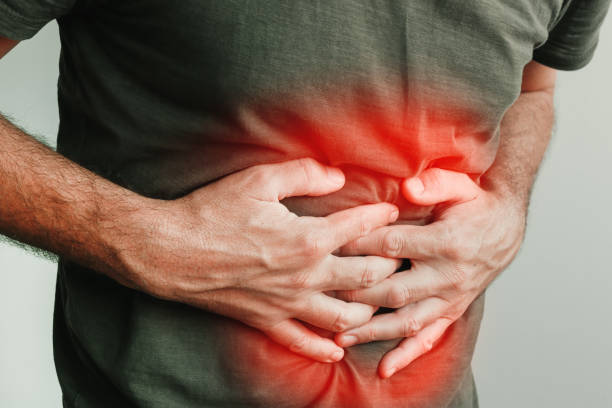
Stomach cancer, also known as gastric cancer, is a type of cancer that develops in the lining of the stomach. It is often diagnosed in later stages, which can make treatment more challenging. However, if caught early, stomach cancer can be treated effectively, significantly improving survival rates.
The difficulty in early diagnosis is partly because the early symptoms often resemble those of other, less serious digestive issues, such as indigestion or bloating. This makes it essential for individuals to be aware of the signs and seek medical attention if any symptoms persist.
Dr. Sandeep Nayak, an eminent surgical oncologist in India, stresses,
“Recognizing the early signs of stomach cancer can greatly impact the success of treatment. Prompt detection and timely intervention are crucial for a better prognosis.”
Dr. Nayak and his competent team have helped many patients with advanced gastrointestinal cancers at the MACS Clinic. His expertise enables him to offer personalized treatment plans that leverage the latest advances in cancer care in Bangalore to achieve the best possible outcomes.
In this blog, we will discuss the early symptoms of stomach cancer, the significance of early detection, the diagnostic process, and available treatment options.
What is Stomach Cancer?
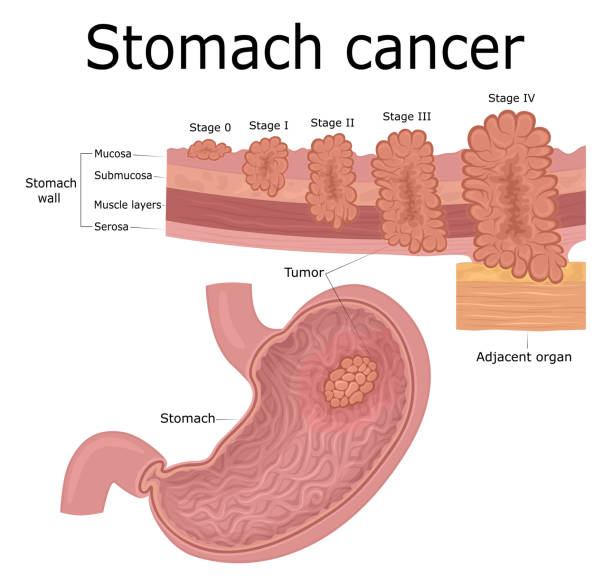
Stomach cancer begins when abnormal cells in the stomach lining grow uncontrollably. Over time, these cells can form a tumor, which may invade nearby tissues and spread to other organs. While stomach cancer can occur at any age, it is more common in individuals over the age of 60 and is typically more prevalent in certain populations.
There are different types of stomach cancer, with adenocarcinoma being the most common, which starts in the mucus-producing cells of the stomach lining. Other types, such as lymphoma or gastrointestinal stromal tumors (GISTs), are less common but can still affect the stomach.
What are the early signs that might indicate stomach cancer? Let’s dive in
Early Symptoms of Stomach Cancer to Watch Out For
In the early stages, stomach cancer can be difficult to detect because its symptoms often overlap with those of less severe digestive issues. However, being aware of persistent symptoms is key to early detection:
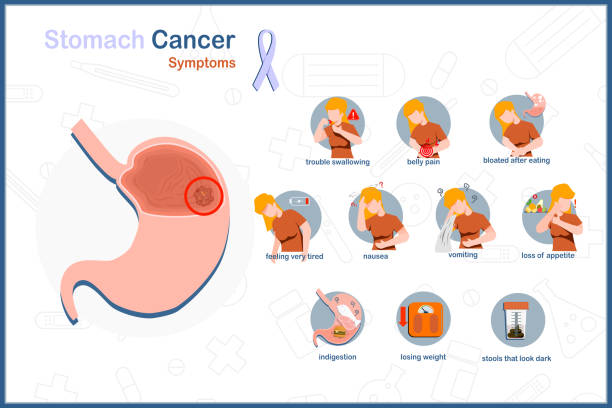
Indigestion or discomfort: A feeling of fullness, bloating, or indigestion that doesn’t improve.
Unexplained weight loss: Losing weight without trying or without an obvious cause.
If you experience any of these symptoms for more than a few weeks, it’s important to seek medical advice.
Now, let’s explore the importance of early detection of stomach cancer.
Why Early Detection Matters in Stomach Cancer
Early-stage stomach cancer is more treatable and has a higher chance of successful outcomes. When cancer is detected in its early stages, it can often be removed surgically before it has spread to other areas of the body. Additionally, early diagnosis allows for less aggressive treatments, which can improve both quality of life and survival rates.
In contrast, if stomach cancer is diagnosed at later stages, when it has spread to other organs, the prognosis becomes less favorable, and treatment options may be more limited and aggressive.
Dr. Sandeep Nayak, a well-known oncologist in India, emphasizes,
“Early-stage stomach cancer often shows milder symptoms, but catching it early gives patients the best chance for a full recovery with fewer complications.”
How do doctors diagnose stomach cancer? Let’s go through the process
How Stomach Cancer is Diagnosed
Stomach cancer diagnosis usually entails several steps, including:
Physical Examination:
A thorough examination to assess symptoms such as stomach pain, bloating, and weight loss.
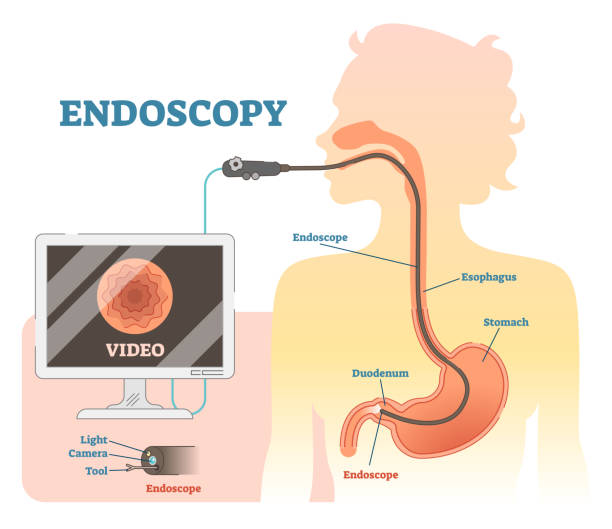
Endoscopy:
This is a procedure whereby a thin tube containing a camera is passed through the mouth to examine the lining of the stomach and also to take tissue samples to be biopsied.
Biopsy:
Tissue samples from the stomach are tested to check for cancer cells.
Imaging Tests:
CT, MRIs, or ultrasounds are applied to detect the presence of tumors and check for spread to other organs.
Blood Tests:
These can help assess the general health and test certain indicators that may be signs of stomach cancer.
An oncologist will evaluate the results of these tests to confirm the diagnosis and determine the stage of the cancer.
What are the treatment options available for stomach cancer? Let’s take a look.
Treatment Options for Stomach Cancer
Stomach cancer treatment depends on its stage, location, and type. The most significant treatment options include:

Surgery
Surgery to remove part or all of the stomach (gastrectomy) is the most frequent modality of treatment for early-stage stomach cancer. The goal is to remove the tumor and surrounding tissue to prevent the spread of cancer.

Chemotherapy
Chemotherapy involves the use of drugs to destroy cancerous cells or shrink tumors. It can be used to reduce tumor size before surgery (neoadjuvant) or to eliminate residual cancer cells after surgery (adjuvant). It is also used in cases of stomach cancer that is in the advanced stage to control the symptoms and prevent growth.

Radiation Therapy
Radiation therapy uses high-energy rays to attack cancer cells. It can be used to shrink the tumor before surgery, reduce symptoms, or in combination with chemotherapy for the advanced stage.

Targeted Therapy
Targeted therapies focus on specific molecules involved in cancer development. This form of treatment can block the growth of cancer cells without harming normal cells, and it is usually combined with other interventions.

Immunotherapy
Immunotherapy works by boosting the body’s immune system to recognize and destroy cancer cells. It is used for certain types of advanced stomach cancer and can be combined with chemotherapy or radiation.
Palliative Care
For advanced stomach cancer, palliative care aims to relieve symptoms such as pain, nausea, or blockage, improving the patient’s quality of life.
Treatment plans are personalized to the individual’s needs and medical condition, often combining therapies to achieve the best outcomes.
Conclusion
Stomach cancer is a serious condition, but early detection significantly improves the chances of successful treatment and long-term survival. Recognizing the early signs, understanding the importance of early diagnosis, and exploring the various treatment options are essential for better outcomes.
If you experience any symptoms of stomach cancer, it’s crucial to seek medical attention promptly for the best possible care. With the guidance of a seasoned oncologist, like Dr. Sandeep Nayak, you can receive the latest and most effective stomach cancer treatment.
FAQs
1. What are the first signs of stomach cancer?
Early signs include indigestion, nausea, loss of appetite, unexplained weight loss, and stomach pain.
2. Is stomach cancer curable?
Yes, stomach cancer can be curable, especially if diagnosed early and treated with surgery, chemotherapy, or radiation.
3. What is the survival rate for stomach cancer?
Survival rates depend on the cancer’s stage at diagnosis. Early detection increases the likelihood of successful treatment.
4. Is stomach cancer hereditary?
While most cases are not hereditary, family history can increase the risk, particularly for certain genetic syndromes.
5. What are the main risk factors for stomach cancer?
Risk factors include smoking, a high-salt diet, chronic infections like Helicobacter pylori, and a family history of cancer.
Reference links:
- https://www.cancer.org/cancer/types/stomach-cancer/detection-diagnosis-staging/signs-symptoms.html
- https://www.kucancercenter.org/news-room/blog/2021/01/11-common-early-signs-stomach-cancer
Disclaimer: The information shared in this content is for educational purposes and not for promotional use.