

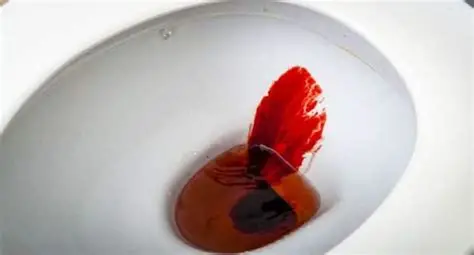
Blood in stool results from hemorrhoids, anal fissures, inflammatory bowel disease, infections, and colorectal cancer. Approximately 10-15% of patients with persistent rectal bleeding receive a colorectal cancer or precancerous polyp diagnosis on colonoscopy. Bright red blood on tissue originates from the anal canal while dark tarry stools indicate bleeding from the upper colon or higher digestive tract.
According to Dr. Sandeep Nayak, Colon Cancer Treatment in Bangalore, “Patients spend months treating themselves for piles while a tumor grows untreated. By the time they walk in the stage has shifted and treatment becomes a longer, harder conversation.”
Blood that keeps returning isn’t something to sit on.
What Causes Rectal Bleeding Besides Cancer
Rectal bleeding has several benign causes far more common than malignancy. Scope is the only reliable way to tell them apart.
- Hemorrhoids: Bright red blood dripping after passing motion from straining and low fibre diet. Stops within days with dietary correction. Cancer bleeding persists and gradually worsens over weeks without responding to anything.
- Anal fissure: Tear from hard stool causing sharp pain with bright red blood. Heals in two to three weeks with softeners. Early cancer bleeding is painless which is one clear clinical difference most patients overlook.
- IBD: Ulcerative colitis or Crohn’s causing bloody diarrhoea with mucus and cramping. Diagnosed on colonoscopy biopsy. Long-standing IBD raises future colon cancer risk requiring surveillance scope every one to two years.
- Infections: Bacterial dysentery from contaminated food common during monsoon. Bloody motions with fever resolving on antibiotics within a week. Bleeding continuing beyond infection window points to a different source entirely.
Colonoscopy remains the definitive investigation for persistent bleeding through colon cancer screening protocols.
When Does Rectal Bleeding Need Colonoscopy
Not every instance of blood in stool requires a scope. Pattern, duration, and accompanying symptoms determine urgency.
- Beyond two weeks: Rectal bleeding persisting past two weeks regardless of assumed cause warrants colonoscopy. Piles and fissures resolve within that window. Anything lasting longer has outgrown the self-treatment phase.
- Age above 45: New onset rectal bleeding after 45 gets scoped even if it looks like piles. Cancer incidence rises sharply after this age and clinical appearance alone cannot rule out malignancy sitting higher up where fingers and eyes don’t reach.
- Family history: Parent or sibling with colorectal cancer means bleeding at any age needs investigation. Familial cases present younger and behave more aggressively than sporadic ones.
- Weight loss or anaemia: Bleeding paired with unexplained weight drop or falling haemoglobin suggests chronic loss from a source beyond piles. Iron deficiency anaemia in a man over 50 with rectal bleeding points toward colorectal cancer until colonoscopy says otherwise.
For a deeper understanding of how persistent symptoms across different organs follow the same investigation logic, exploring how cervical screening protocols catch hidden disease early adds valuable perspective to why delayed evaluation costs patients time they can’t recover.
Why Choose MACS Clinic?
Dr. Sandeep Nayak has performed hundreds of colon cancer surgeries using laparoscopic and robotic techniques with outcomes matching best published international data. MACS Clinic runs colonoscopy, biopsy, staging, and surgery under one team so the gap between symptom and diagnosis stays short.
Rectal bleeding gets scoped here that same week. No three-month waiting list while something potentially serious sits there growing because the system moved slower than the disease.
Call +91 8035740000 to book your consultation.
FAQs
Is bright red blood in stool always piles?
No, colonoscopy is needed to confirm the cause when bleeding persists.
At what age should rectal bleeding be investigated?
Any age if persistent, but especially after 45 when cancer risk rises.
Can colonoscopy detect cancer and remove polyps together?
Yes, colonoscopy diagnoses and removes precancerous polyps in one sitting.
How long does a colonoscopy take?
About 20-30 minutes under sedation with results available same day.
References
- Rectal bleeding evaluation guidelines — National Cancer Institute
- Colorectal cancer screening — World Health Organization
Disclaimer: Reference links are for informational purposes only and not a substitute for professional medical advice or treatment.