

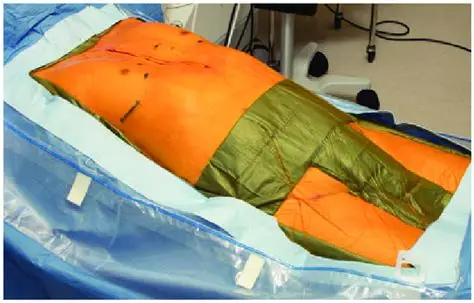
VEIL stands for Video Endoscopic Inguinal Lymphadenectomy, a minimally invasive technique that removes cancerous groin lymph nodes through small incisions on the side of the thigh instead of the traditional large groin incision. Open inguinal node dissection causes wound complications in approximately 60% of patients including skin necrosis, infection, lymphedema, and prolonged wound nursing lasting weeks. VEIL drops that complication rate below 10% while achieving the same node harvest and oncological clearance.
According to Dr. Sandeep Nayak, Best cancer treatment in Bangalore, “Open groin dissection is one of the most dreaded operations in cancer surgery because the wound complications are brutal. Patient beats the cancer and then spends weeks with a wound that won’t close. VEIL changed that equation completely.”
Groin node surgery without the wound nightmare that follows open dissection.
How Does VEIL Work?
Open groin dissection requires a 15-20 cm incision across the inguinal crease cutting through skin that folds, sweats, and rubs constantly. VEIL avoids that wound entirely.
- Lateral approach: Dr. Sandeep Nayak’s modified L-VEIL enters from the side of the thigh through two to three 5-10 mm ports placed away from the groin crease. Incisions sit on the lateral thigh where skin heals cleanly and clothing covers them completely.
- Endoscopic dissection: Camera and instruments create a working space under the skin of the groin region. Surgeon identifies and removes all inguinal lymph nodes under magnified visualization while preserving the saphenous vein and femoral vessels with precision open surgery struggles to match through a bloody wound.
- Same node harvest: VEIL removes the same number of lymph nodes as open dissection. Published data confirms equivalent oncological clearance. The difference is in how the body heals afterward, not in what gets taken out during the operation.
- Robotic option: Da Vinci robot can perform the same procedure with wristed instruments adding extra maneuverability in the tight inguinal space. Robotic VEIL further reduces tissue trauma and gives the surgeon 3D depth perception that standard endoscopic 2D view lacks.
Your oncologist evaluates groin node status through cancer staging protocols before recommending VEIL or open dissection.
Which Cancers Need Groin Node Surgery?
Groin lymph node dissection is required when cancers below the waist spread to inguinal nodes. These cancers metastasize to the groin first before reaching distant organs.
- Penile cancer: Most common indication for groin node dissection in India. Palpable inguinal nodes in penile cancer need clearing because positive nodes without surgery carry very poor survival. VEIL makes this operation tolerable instead of something patients and surgeons both dread.
- Vulvar cancer: Inguinal lymphadenectomy is standard staging and treatment for vulvar cancer. Open groin dissection in vulvar cancer patients causes wound breakdown rates above 50%. VEIL drops this dramatically and gets patients back to adjuvant treatment faster.
- Melanoma: Leg or trunk melanoma with sentinel node positive groin findings needs completion lymphadenectomy. VEIL removes the remaining nodes without the massive wound that open dissection leaves in a body area where healing is already difficult.
- Other pelvic cancers: Selected cases of cervical, anal, and urethral cancers with isolated groin node involvement may benefit from VEIL when inguinal clearance is part of the treatment plan.
Knowing how TORS surgery removes throat cancer through natural openings helps appreciate why VEIL follows the same philosophy of reaching lymph nodes through routes that heal better than traditional incisions.
Why Choose MACS Clinic?
Dr. Sandeep Nayak invented the Lateral Approach VEIL technique now practiced at multiple centers globally and has performed this procedure at a volume that comes from years of dedicated groin node surgery experience. MACS Clinic offers both endoscopic and robotic VEIL under one surgical team.
Open groin dissection gets recommended at most hospitals because that’s what most surgeons were trained to do. Here the conversation starts with VEIL because the team knows what open wound complications do to patients who just fought cancer and deserved a better recovery than weeks of dressing changes.
Call +91 8035740000 to book your consultation.
FAQs
What is the main advantage of VEIL over open groin surgery?
Wound complication rate drops from approximately 60% to under 10%.
How many incisions does VEIL require?
Two to three small ports of 5-10 mm on the lateral thigh.
Does VEIL remove the same number of lymph nodes?
Yes, node harvest and oncological clearance match open dissection completely.
Which cancers require groin lymph node removal?
Penile, vulvar, melanoma, and selected cervical or anal cancers with groin spread.
References
- Inguinal lymphadenectomy techniques — National Cancer Institute
- Groin node dissection outcomes — World Health Organization
Disclaimer: Reference links are for informational purposes only and not a substitute for professional medical advice or treatment.