
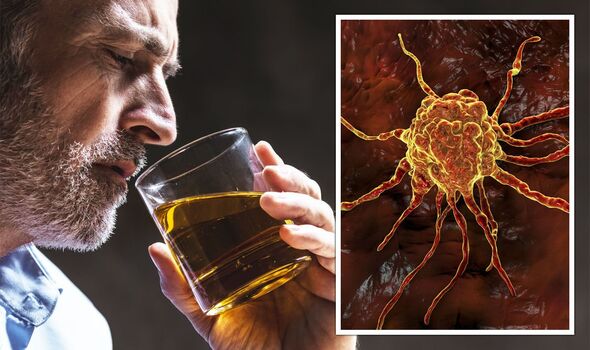
Any amount of alcohol increases cancer risk. There is no safe level. WHO classified alcoholic beverages as Group 1 confirmed carcinogen in 1988 and that classification hasn’t changed since. Ethanol breaks down into acetaldehyde in the body which directly damages DNA causing mutations that lead to at least seven cancer types including mouth, throat, esophagus, liver, breast, colon, and larynx. An estimated 741,000 new cancer cases globally in 2020 were directly attributable to alcohol.
According to Dr. Sandeep Nayak, Best cancer treatment in Bangalore, “Patient with throat cancer asks what caused it. I say tobacco and alcohol. He quit tobacco but keeps the evening whiskey because ‘it’s only two pegs.’ Those two pegs delivered acetaldehyde to his throat lining every single night for twenty-five years. The cancer didn’t care whether it was two pegs or ten.”
It’s not about how much you drink. It’s about how long you’ve been doing it.
Which Cancers Does Alcohol Cause?
Alcohol doesn’t cause every cancer. But the seven it does cause are among the most common cancers globally and the link is dose-dependent meaning more alcohol means more risk.
- Mouth and throat: Ethanol dissolves in saliva and sits on the oral lining where bacteria convert it into acetaldehyde at concentrations high enough to damage DNA. Add tobacco to alcohol and the risk multiplies because alcohol makes the lining more permeable to tobacco carcinogens. Gutka plus whiskey is the most dangerous combination Indian oncologists see daily.
- Esophageal: Acetaldehyde in direct contact with the food pipe lining every time alcohol swallows down. Risk rises sharply above two drinks daily. Drinking very hot alcohol like warm rum or brandy adds thermal injury on top of chemical damage compounding the risk.
- Breast cancer: Even one drink daily raises breast cancer risk by 7-10% because alcohol increases estrogen levels. Women who drink moderately don’t connect their habit with breast cancer because the messaging around alcohol and cancer focuses on heavy drinking. Light drinking isn’t safe for breast cancer, it’s less dangerous.
- Liver and colon: Chronic alcohol causes cirrhosis which is the single biggest liver cancer risk factor in the western world. For colorectal cancer the risk begins rising noticeably above two drinks daily with heavy drinkers carrying 50% higher risk than non-drinkers.
Your oncologist addresses alcohol as a cancer risk through cancer prevention counseling during every consultation.
How Much Is Too Much?
The honest answer is any amount carries some risk. But the dose-response relationship helps people make informed decisions about where they draw their own line.
- Light drinking: One drink daily still raises breast cancer risk by 7-10% and slightly elevates oral cancer risk. WHO says no safe level exists. Most people won’t stop drinking entirely over a 7% risk increase but they deserve to know the number instead of being told wine is heart-healthy without the cancer asterisk.
- Moderate drinking: Two to three drinks daily puts you in measurably elevated risk territory for throat, esophageal, and liver cancers. This is where most Indian men sit with their evening routine of two pegs that’s been running for fifteen to twenty years. The habit feels moderate. The cumulative exposure isn’t.
- Heavy drinking: Four or more drinks daily dramatically increases risk for all seven cancer types. Combined with smoking the multiplication effect creates risk levels that make cancer more likely than not over a lifetime. Heavy drinking is also the pathway to cirrhosis which independently causes liver cancer.
- Quitting helps: Risk starts dropping after quitting and continues declining for 10-20 years. Former drinkers who quit for 20+ years approach the cancer risk of never-drinkers for most cancer types. Damage isn’t permanent if you stop early enough for the cells to repair.
Understanding how mobile phone cancer fears distract from proven risks explains why alcohol’s Group 1 classification gets less public attention than phone radiation’s Group 2B despite alcohol being the far stronger established carcinogen.
Why Choose MACS Clinic?
Dr. Sandeep Nayak’s team at MACS Clinic discusses alcohol as a cancer risk factor during every head and neck, breast, liver, and colon cancer consultation with actual numbers not vague warnings. Patients here get told exactly how their drinking pattern contributed to their diagnosis.
Patient diagnosed with throat cancer here doesn’t get a generic pamphlet saying “limit alcohol.” Gets a conversation with numbers showing what twenty years of two pegs daily did to the tissue lining the oncologist just biopsied.
Call +91 8035740000 to book your consultation.
FAQs
Does any amount of alcohol increase cancer risk?
Yes, WHO confirms no safe level. Even light drinking raises risk for breast and oral cancers.
Which cancers are caused by alcohol?
Mouth, throat, esophagus, liver, breast, colon, and larynx are confirmed alcohol-caused cancers.
Does the type of alcohol matter?
No, beer, wine, and spirits all carry the same risk because ethanol is the carcinogen.
Does quitting alcohol reduce cancer risk?
Yes, risk declines steadily after quitting and approaches never-drinker levels after 20+ years.
References
- Alcohol and cancer risk — National Cancer Institute
- Alcohol a preventable cause of cancer — World Health Organization IARC