

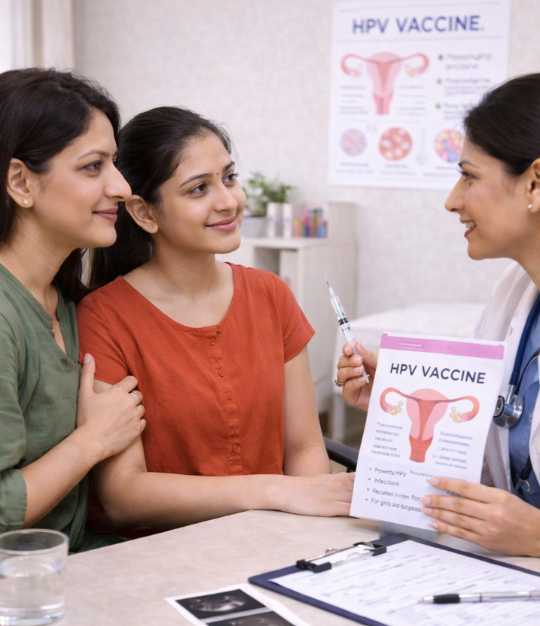
HPV vaccine blocks HPV types 16 and 18 which cause nearly 90% of cervical cancers, making it one of the most effective cancer prevention tools available today. UK national data showed 87% cervical cancer reduction in women vaccinated at age 12-13. The vaccine also significantly cuts throat, anal, penile, and vulvar cancer risk from the same strains. India loses nearly 80,000 women annually to cervical cancer, a disease vaccination could prevent before it ever starts.
According to Dr. Sandeep Nayak, Best cancer treatment in Bangalore, “I operate on cervical cancer every week. Almost every case is HPV-driven. Vaccine costs 2,000 rupees. Available everywhere. But the patient’s daughter still isn’t vaccinated because nobody thought it was necessary until the mother got diagnosed.”
The vaccine exists. The cancer it prevents still kills 80,000 Indian women yearly. That gap is the problem.
Which Cancers Does It Prevent?
HPV causes cancers in six body sites. Vaccine stops the virus before it infects so these cancers never get a chance to start.
- Cervical cancer: HPV 16 and 18 cause roughly 70% of all cervical cancers. Countries with high vaccination saw rates drop toward elimination within one generation. India hasn’t added the vaccine to its routine immunization program yet while 80,000 women die from this preventable cancer every year.
- Throat cancer: HPV-driven oropharyngeal cancers have overtaken tobacco-related throat cancers in several countries. Men carry the same throat cancer risk women carry for cervical. Vaccinating boys prevents their own cancer and stops them from transmitting HPV to partners.
- Anal and penile: HPV causes 85% of anal cancers and significant proportion of penile cancers. Same vaccine given for cervical prevention covers these too. Gender-neutral vaccination protects both sexes against cancers nobody discusses until the diagnosis shows up.
- Vulvar and vaginal: HPV causes about 50% of vulvar and 70% of vaginal cancers. Rarer than cervical but equally preventable with the same shot at the same age. One vaccine covering six cancer sites is the most cost-effective prevention tool oncology has produced.
Your oncologist discusses HPV vaccination during cancer prevention counseling for patients and their families.
When Should It Be Given?
Vaccine prevents infection not treats it. Maximum benefit comes from vaccination before any HPV exposure happens.
- Age 9-14 ideal: Single dose now recommended by WHO. Immune response at this age is stronger than adults meaning fewer doses give equal protection. Indian parents don’t discuss it because connecting a 10-year-old’s injection with a sexually transmitted virus feels uncomfortable. That discomfort costs lives every single year.
- Age 15-26 catch-up: Two to three doses for those who missed the window. Still highly effective before HPV exposure. College-age women should be getting this routinely but most haven’t heard of it because school programs don’t mention it and family doctors don’t bring it up.
- Cervavac availability: India’s own vaccine from Serum Institute at roughly 2,000 rupees per dose. Imported Gardasil costs four times more. Affordability excuse disappeared when Cervavac launched. What remains is awareness that hasn’t reached the families who need it most.
- Boys need it equally: They carry HPV, transmit it, develop their own cancers from it. Vaccinating only girls is fighting the virus with one hand while the other keeps spreading it across the population.
Understanding how alcohol causes cancer through a proven mechanism people still ignore explains why HPV vaccine faces the same gap between available prevention and actual uptake.
Why Choose MACS Clinic?
Dr. Sandeep Nayak’s team at MACS Clinic brings up HPV vaccination during every cervical, throat, and anal cancer consultation. Patient sitting in that chair already has the cancer the vaccine was meant to prevent. Their children don’t have to follow the same path.
Family watching a parent fight HPV-driven cancer gets told about the vaccine that day. That conversation in that room at that moment is the most powerful motivator for prevention no pamphlet will ever match.
Call +91 8035740000 to book your consultation.
FAQs
Does HPV vaccine prevent cancer?
UK data shows 87% cervical cancer reduction in vaccinated women. Evidence is conclusive.
At what age should it be given?
Ideally 9-14 with single dose. Catch-up available up to 26 with two-three doses.
Should boys get HPV vaccine?
They carry, transmit HPV and develop throat, anal, penile cancers from it.
How much does it cost in India?
Cervavac costs approximately 2,000 rupees per dose at major hospitals.
References
- HPV vaccines and cancer prevention — National Cancer Institute
- HPV vaccination WHO position — World Health Organization