

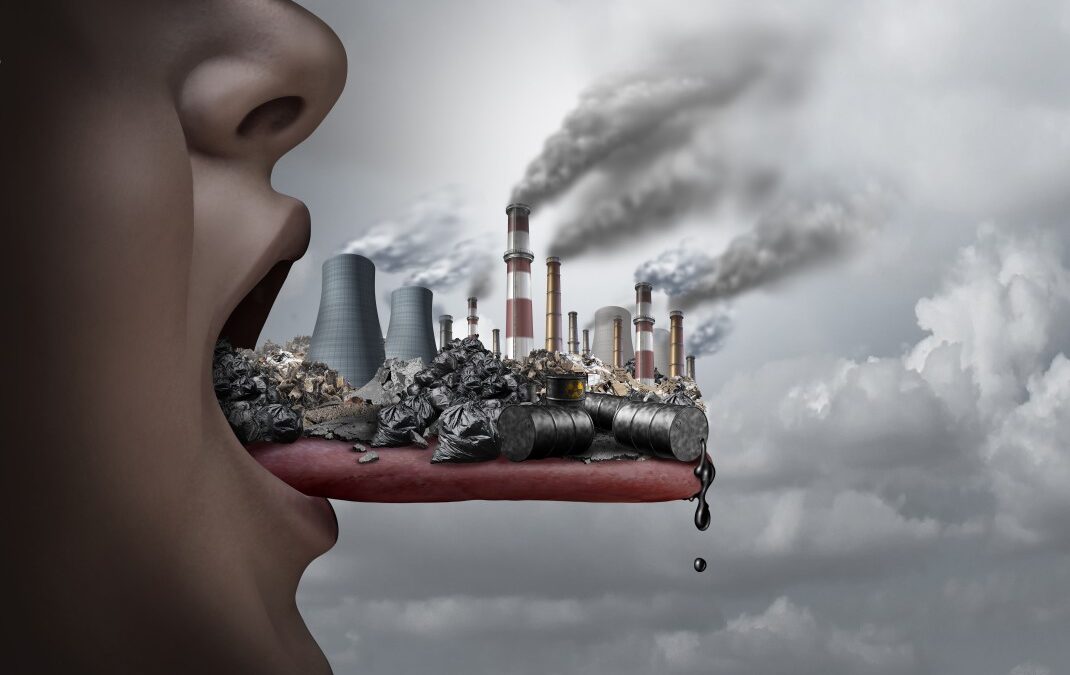
WHO classifies outdoor PM2.5 particulate matter as Group 1 confirmed carcinogen alongside tobacco and asbestos. These particles penetrate deep into lung tissue causing DNA damage, inflammation, and mutations over years of exposure. Air pollution accounts for 15% of global lung cancer deaths and one in three lung cancer patients in India has never smoked. Delhi’s annual PM2.5 averages 90-100 micrograms against WHO’s safe limit of 5.
According to Dr. Sandeep Nayak, Best cancer treatment in Bangalore, “Non-smoking woman in her 30s walks in with Stage III lung cancer. Lived in Delhi twelve years. Her lungs processed air 20 times above safe limits every day. She didn’t need cigarettes. The city did the smoking for her.”
Lung cancer isn’t just a smoker’s disease anymore. In Indian cities it’s a breather’s disease.
How Does Polluted Air Cause Cancer?
PM2.5 particles are 30 times smaller than a human hair. Small enough to bypass nose filters, reach deepest lung tissue, and cross into the bloodstream.
- DNA mutations: PM2.5 carries heavy metals and hydrocarbons that bind to lung cell DNA causing the same mutations found in smokers’ lungs. Every breath in Delhi winter is a low-dose carcinogen exposure nobody can opt out of regardless of lifestyle choices.
- Chronic inflammation: Particles lodged in tissue trigger sustained inflammatory response damaging surrounding cells continuously. Years of this creates the environment where cancer develops exactly like smoking does through a different entry point.
- Beyond lungs: PM2.5 entering bloodstream reaches liver, kidney, bladder. Emerging data links pollution to breast, bladder, and liver cancers beyond the established lung connection. Particles don’t stay where they land. They travel everywhere blood goes.
- Non-smoker risk: Every 10 microgram PM2.5 increase raises lung cancer risk by 9%. Delhi averages 90-100 against WHO’s limit of 5. Non-smokers there carry lung cancer risk that non-smokers in clean air cities don’t face. Geography became a risk factor.
Your oncologist assesses pollution exposure during cancer risk evaluation alongside tobacco, alcohol, and genetic history.
What Can You Do About It?
Can’t stop breathing. But can reduce exposure and push for early detection if you live in a high-pollution city.
- Indoor air: HEPA purifiers in bedrooms reduce PM2.5 by 50-80% during the 8 hours you sleep. Windows shut during peak pollution mornings. Not cheap but you spend one-third of life sleeping and cleaning that air matters more than most health investments people make.
- N95 outdoors: Cloth masks do nothing for PM2.5. Only N95 filters particles this small. People wore masks two years for Covid without complaint but won’t wear them for air that’s measurably more dangerous than a virus season ever was.
- Lung screening: Non-smokers in polluted cities 10+ years should discuss low-dose CT with their doctor. India has no formal screening program for this yet. Until that changes initiative falls on individuals especially those with persistent cough or breathlessness that doesn’t explain itself.
- Cooking fuel: Wood, coal, cow dung chulhas cause 4% of global lung cancer deaths. Rural women cooking on biomass fuel for decades carry risk their families never connect with the kitchen. Ujjwala gave LPG connections but millions still cook on solid fuel daily.
Understanding how obesity creates cancer risk through sustained hormonal disruption explains why pollution follows the same cumulative pattern of silent damage building until repair can’t keep up.
Why Choose MACS Clinic?
Dr. Sandeep Nayak’s team at MACS Clinic asks about residential and occupational pollution history alongside smoking during every lung consultation. Non-smoking lung cancer patients here don’t get told their diagnosis is unexplainable because the team recognizes environmental exposure as the independent risk factor it is.
Non-smoker with lung cancer here gets the same treatment urgency as a smoker. Cancer doesn’t care how it started. What matters is it’s found, staged, and treated without losing time debating how a non-smoker got lung cancer.
Call +91 8035740000 to book your consultation.
FAQs
Can air pollution cause lung cancer in non-smokers?
One in three Indian lung cancer patients never smoked. PM2.5 causes identical DNA mutations.
How polluted is Delhi compared to WHO limits?
Delhi averages 90-100 micrograms PM2.5 annually, roughly 20 times WHO’s safe limit of 5.
Do air purifiers reduce cancer risk?
HEPA purifiers cut indoor PM2.5 by 50-80%, significantly lowering exposure during sleep.
Does cooking fuel affect cancer risk?
Biomass fuel cooking causes 4% of global lung cancer deaths, mainly affecting rural women.
References
- Air pollution and cancer — National Cancer Institute
- PM2.5 carcinogenicity — World Health Organization IARC