

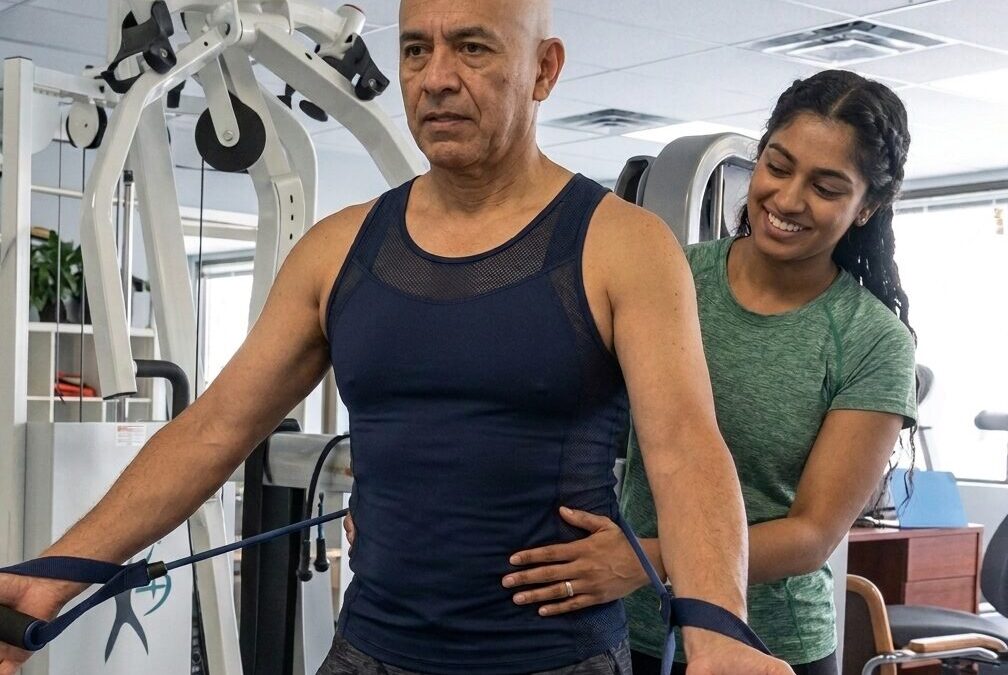
Yes, and for most patients it’s not just safe but genuinely recommended. The instinct during chemotherapy is to stop everything and rest. That instinct makes sense on bad days. But resting completely through an entire treatment course turns out to be one of the harder things on the body, not one of the easier ones. A decade of research has made this fairly clear. Staying active during chemotherapy reduces fatigue, keeps muscle from wasting away, supports mood, and helps patients tolerate their treatment better from one cycle to the next. The American Society of Clinical Oncology now lists exercise as a standard part of supportive cancer care.
Dr. Sandeep Nayak,who provides Best Cancer Treatment in Bangalore, is direct about it: “The belief that cancer patients should be completely sedentary during chemotherapy is outdated. Appropriate exercise reduces fatigue, one of the worst things patients deal with during treatment. It preserves muscle strength, which matters for tolerating subsequent cycles and recovering afterward. The word that matters is appropriate. What someone does needs to match where they are right now, not where they were before diagnosis.”
Going through chemotherapy and want to know what’s physically safe?
What Does Exercise Actually Do During Chemotherapy?
The benefits are specific, not vague. Here’s what the research consistently shows.
It Fights Fatigue: Most people assume that being tired means they should rest more. With cancer-related fatigue, that’s not how it works. Gentle to moderate exercise reduces chemotherapy fatigue more effectively than bed rest does. Better circulation, better oxygen delivery, lower levels of the inflammatory markers that drive treatment exhaustion. Our blog on persistent fatigue as a cancer symptom covers why this kind of tiredness is different from ordinary fatigue and why rest alone doesn’t fix it.
It Protects Muscle: Chemotherapy breaks muscle down. Patients who stay sedentary lose it faster and have a harder time getting through later treatment cycles, recovering from surgery, and getting back to normal life after everything ends. Even light resistance work slows that loss significantly.
It Helps Mentally: Anxiety and low mood during cancer treatment are real and common. Exercise has a measurable effect on both through stress hormones and endorphins. For patients who feel like treatment is something happening to them rather than something they have any say in, a daily walk or a structured routine gives back a small but meaningful sense of control.
It Improves Treatment Tolerance: Patients who stay reasonably fit through chemotherapy tend to complete more of their planned treatment without dose reductions or delays. Performance status matters to what treatment is possible. Staying active helps protect it.
It May Reduce Recurrence Risk: For breast and colorectal cancers in particular, the evidence linking physical activity during and after treatment to lower recurrence risk is strong enough that it now sits inside survivorship guidelines. Getting through treatment is one goal. What happens after is another.
What Kind of Exercise Actually Makes Sense?
Not a gym programme. Not the routine someone had before diagnosis. Something that matches where the patient actually is.
Walking: Most people can manage a 20 to 30 minute walk most days, even during difficult weeks. It doesn’t need equipment, can be adjusted minute by minute depending on how the day is going, and delivers real cardiovascular benefit without pushing a body that’s already under significant stress.
Light Resistance Work: Bodyweight movements, bands, light weights two or three times a week. The goal isn’t fitness gains. It’s stopping the muscle from disappearing. That’s a much lower bar than it sounds and a much more achievable one. Our blog on how much exercise reduces cancer risk covers the longer-term relationship between physical activity and cancer outcomes for patients thinking beyond just getting through treatment.
Yoga and Stretching: For patients dealing with neuropathy, balance problems, or significant fatigue, yoga addresses flexibility, breathing, and mental calm without asking much cardiovascularly. Peripheral nerve damage from certain chemotherapy agents makes balance-focused movement particularly worth considering. Onco-psychology support at MACS Clinic works alongside physical activity for patients where the mental load of treatment is as heavy as the physical one.
Swimming: Low impact, joint-friendly, useful for patients who find weight-bearing movement uncomfortable during treatment. Not suitable for anyone with a port or central line in place because of submersion restrictions.
What to Leave Alone: High-intensity training, contact sport, anything with real fall risk. When platelet counts are low and immunity is suppressed, those activities carry risks that aren’t worth taking. Consistent moderate movement across the weeks of treatment is the goal, not peak performance on any single day.
Why Choose MACS Clinic for Supportive Cancer Care?
Dr. Sandeep Nayak’s team at MACS Clinic includes physical activity and supportive care in the treatment conversation from the start, not as an afterthought once the oncology decisions are made. Fatigue, muscle loss, and mood during treatment all affect how well a patient gets through chemotherapy and how they recover from it. Diet counselling and psychological support run alongside medical treatment as part of a coordinated plan, not separate services bolted on later.
For patients who want to understand what level of activity is appropriate for their specific protocol and where they are in their cycle, the team can be reached at +91 9482202240.
FAQs
Should I rest completely on chemo days?
The infusion day itself is usually better kept light. The body is absorbing a lot. Gentle walking is fine. The days that follow are actually when staying gently active helps most with managing how the cycle hits.
What if I'm too exhausted to do anything?
Start with five minutes. That’s not a joke. Five minutes of slow walking on a hard day is genuinely better than nothing and often turns into ten once the body gets moving. On days where fatigue from a cycle is severe, rest absolutely takes priority. The goal is consistency across weeks, not output on any particular day.
Will exercise affect how well chemo works?
Nothing in the current evidence suggests exercise interferes with chemotherapy effectiveness. Some research actually points toward improving treatment outcomes through better circulation and reduced systemic inflammation. It doesn’t work against the treatment.
Do I need to check with my oncologist first?
Yes, always. Platelet counts, blood markers, neuropathy, bone involvement all of these change what’s appropriate at different points in a treatment cycle. A generic exercise plan without that context isn’t safe. The recommendation needs to match the treatment protocol and where the patient is in it.
Disclaimer: This content is published for educational and informational purposes only.