

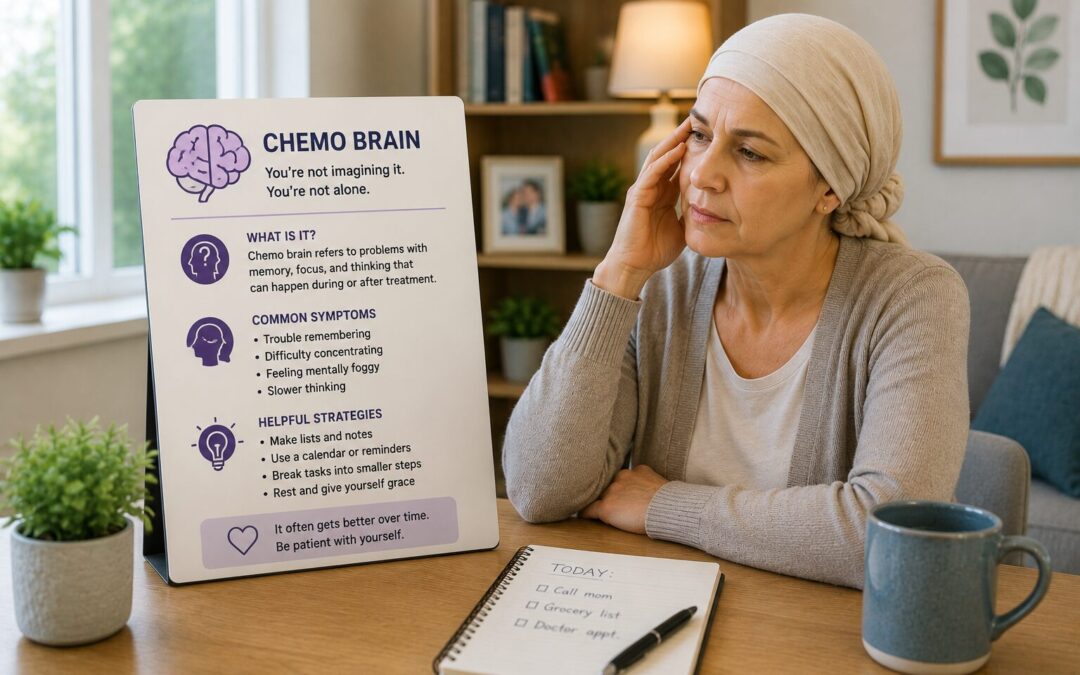
Chemo brain is basically what people call it when memory, focus, and general mental sharpness take a hit during or after cancer treatment. Forgetting words mid-conversation, struggling to concentrate on something that used to be easy, feeling mentally foggy in a way that’s genuinely new. And yes, for most people, it does fade. Symptoms often linger for several months after treatment ends, and for a smaller group, it can stretch on for a couple of years. But the trend for most patients is real improvement over time, not something permanent.
Dr. Sandeep Nayak, who provides Best Cancer Treatment in Bangalore, sees patients worry about this more than they expect to. “People come in genuinely scared they’re losing their mental sharpness for good, and that fear is understandable, it’s a strange thing to experience. What I tell them is that chemo brain is real, it’s documented, and it’s not a sign of something worse happening. Most patients see gradual improvement once treatment ends. It’s frustrating in the moment, but it’s not usually permanent.”
Dealing with mental fog or memory issues during or after treatment?
What Does Chemo Brain Actually Feel Like?
Symptoms vary from person to person, but a few patterns show up consistently.
Trouble finding the right word
A common one — reaching for a familiar word mid-sentence and coming up blank, even for things that would normally come easily. This is one of the most frequently reported cognitive side effects following chemotherapy.
Difficulty concentrating
Tasks that used to hold attention easily suddenly feel harder to stick with — reading a page and realising nothing actually registered, that kind of thing. Patients going through cancer treatment often describe this as one of the more disruptive day-to-day changes.
Short-term memory lapses
Forgetting recent conversations, misplacing items more often, or needing more reminders than usual for everyday tasks.
Mental fatigue
A kind of tiredness that’s specifically cognitive — feeling mentally drained after tasks that wouldn’t have been taxing before. This overlaps significantly with the broader cancer-related fatigue that many patients experience during and after treatment.
Slower processing speed
Taking longer to work through problems or follow along in conversations — not because understanding is gone, just slower to get there.
Why Does Chemo Brain Happen, and What Helps It Improve?
Understanding the cause helps make sense of why recovery is generally the expected path.
Chemotherapy affects the brain alongside the cancer. Some chemotherapy drugs cross into brain tissue and can temporarily affect how neurons function, alongside the general physical stress treatment places on the entire body.
Fatigue and stress compound the effect. Poor sleep, anxiety, and the general exhaustion of treatment all make cognitive symptoms feel more pronounced than they might in isolation. Our blog on mental health during cancer covers how the emotional weight of treatment connects to symptoms like this one.
Gentle mental and physical activity tends to help. Light exercise, brain-engaging activities like puzzles or reading, and maintaining social connection all show some benefit in supporting cognitive recovery over time.
Time itself is often the biggest factor. For most patients, the brain genuinely does recover as the body moves further from active treatment, even without any specific intervention beyond time and general self care.
Why Choose MACS Clinic for Supportive Care During and After Treatment?
Dr. Sandeep Nayak’s team at MACS Clinic takes cognitive symptoms seriously as part of the full treatment picture, not something patients are simply expected to push through silently. Supportive care conversations happen throughout treatment, not just at the end, so patients know what’s normal and when something might warrant closer attention.
For patients experiencing persistent or worsening cognitive symptoms, appropriate evaluation helps rule out other causes and confirms the right supportive approach. Struggling with focus or memory during or after treatment? Reach the team at +91 9482202240.
FAQs
How long does this usually stick around?
Months, mostly, for the majority of people, easing up gradually after treatment wraps. A smaller group deals with it longer, sometimes a year or two, but the direction is still improvement, just slower.
Does this mean the treatment isn't working?
Not even close. This is about how treatment hits the whole body, brain included. Whether the cancer’s actually responding is a completely separate thing.
Can it show up even after treatment's fully done?
Yes, weirdly it sometimes gets more obvious then. Active treatment keeps you distracted in a way. Once that’s over, regular life demands sharper focus, and that’s when the gap becomes noticeable.
Worth mentioning to a doctor if it's not going away?
Definitely. Most of this resolves on its own eventually, but flagging it means a doctor can rule out anything else going on and make sure there’s actual support in place, not just assuming it’ll sort itself out.
Disclaimer: This content is published for educational and informational purposes only.