

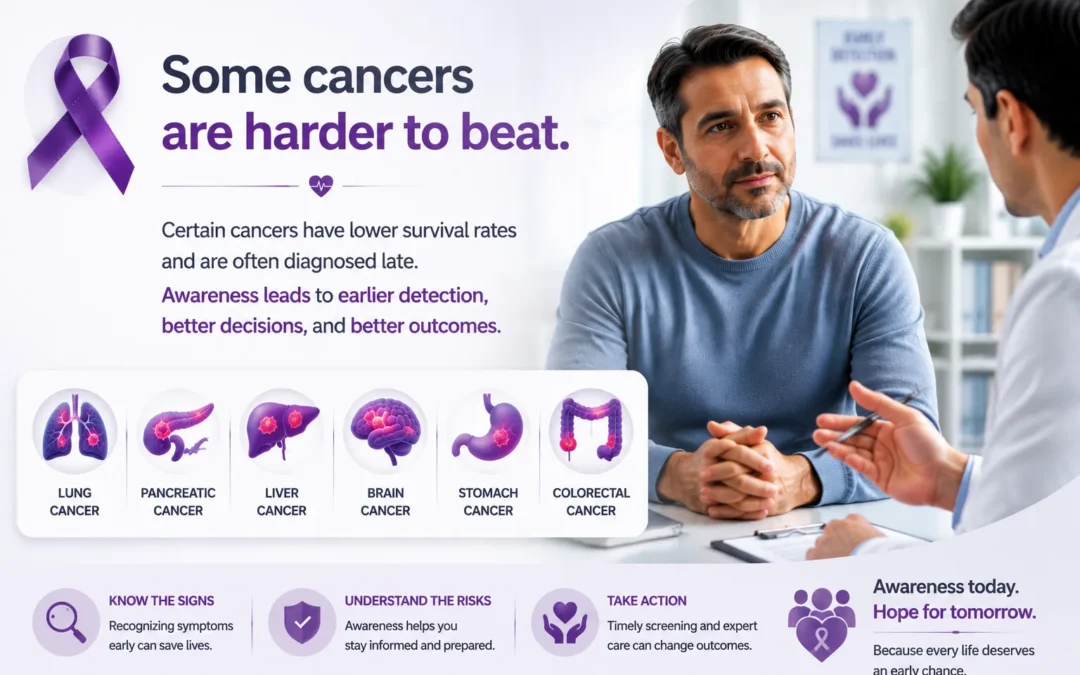
Cancer survival rates have improved significantly over the years due to advancements in diagnosis, treatment, and supportive care. However, some cancers continue to have lower survival rates compared to others. These are known as less survivable cancers, and they remain a major challenge in global cancer care. Often, they have complex biology, limited early warning signs, and are frequently diagnosed at advanced stages. Raising awareness about these cancers can help people recognize symptoms earlier, seek timely medical advice, and improve treatment outcomes.
“At MACS Clinic, our focus is not only on providing advanced cancer treatment in Bangalore but also on improving awareness, early diagnosis, and personalized care. Detecting cancer at an earlier stage can significantly impact treatment options and quality of life,” says Dr. Sandeep Nayak, an eminent surgical oncologist in India.
Dr. Nayak has over two decades of experience in treating complex cancers using advanced surgical techniques and a multidisciplinary approach. His expertise includes minimally invasive surgery, robotic procedures, and advanced cancer treatments designed to provide precise, patient-centered care.
This blog provides an overview of less survivable cancers, why they are challenging to treat, the importance of early detection, and how awareness can help improve cancer outcomes.
Why do some cancers have lower survival rates than others? Let’s explore what makes certain cancers more difficult to detect and treat.
What Are Less Survivable Cancers?
Less survivable cancers are cancers that historically have lower five-year survival rates compared to many other cancer types. These cancers often present unique challenges due to delayed diagnosis, aggressive tumor behavior, limited screening options, or fewer effective treatment approaches.
A cancer may be considered less survivable when:
- It is often diagnosed at an advanced stage
- Early symptoms are unclear or easily overlooked
- The cancer spreads quickly to other organs
- Treatment options are limited
- The disease has a higher chance of recurrence
However, survival outcomes continue to improve with advances in imaging, molecular testing, targeted therapies, immunotherapy, and specialized cancer surgery.
Early consultation with an experienced cancer specialist can help improve the chances of timely diagnosis and appropriate treatment planning.
Which cancers are commonly associated with lower survival outcomes? Let’s discover the cancer types that require greater awareness and early attention.
Which Cancers Are Considered Less Survivable?

Pancreatic cancer is one of the most challenging cancers because symptoms often appear late, and many patients are diagnosed after the disease has progressed.

Lung cancer remains one of the leading causes of cancer-related deaths worldwide. Early stages may not cause noticeable symptoms, making screening and awareness important.
MACS Clinic provides advanced lung cancer treatment in Bangalore with precise diagnosis, personalized treatment planning, and expert multidisciplinary care.

Liver cancer can be difficult to treat, especially when diagnosed at an advanced stage or in patients with underlying liver disease.
Advanced liver cancer treatment in Bangalore involves a combination of surgery, targeted therapies, interventional procedures, and supportive care depending on the patient’s condition.
- Brain Cancers

Certain aggressive brain tumors can be challenging due to their location and complex nature.


Why Do Some Cancers Have Lower Survival Rates?

Several factors contribute to the challenges associated with less survivable cancers:
- Late Diagnosis
Many less survivable cancers do not cause clear symptoms in the early stages. As a result, diagnosis often occurs after the disease has progressed.
- Aggressive Cancer Behavior
Some cancers grow quickly or spread to other parts of the body before detection.
- Limited Screening Methods
Unlike breast, cervical, and colorectal cancers, some cancers do not currently have widely available screening programs.
- Complex Tumor Biology
Certain cancers have unique genetic and biological characteristics that make treatment more challenging.
- Treatment Resistance
Some tumors may not respond well to traditional therapies, requiring newer approaches such as targeted therapy or immunotherapy.
Common Symptoms That Should Not Be Ignored

Symptoms vary depending on the type of cancer, but some warning signs should not be ignored:
- Unexplained weight loss
- Persistent fatigue
- Long-lasting cough or breathing difficulties
- Changes in bowel or bladder habits
- Difficulty swallowing
- Persistent abdominal pain
- Unusual bleeding
- New lumps or swelling
- Persistent changes in appetite
- Unexplained fever
These symptoms do not always indicate cancer, but a healthcare professional should evaluate persistent or unusual changes.
Can early detection improve cancer outcomes? Let’s explore why timely diagnosis is critical in managing aggressive cancers.
The Importance of Early Detection in Less Survivable Cancers

Early detection remains one of the most important factors influencing cancer treatment success. When cancer is identified before it spreads, patients may have more treatment options and better chances of achieving favorable outcomes.
Early diagnosis allows doctors to:
- Plan treatment before the cancer advances
- Offer more effective surgical options
- Reduce the risk of complications
- Improve long-term survival possibilities
- Provide personalized treatment strategies
Advanced diagnostic techniques, including imaging, biopsies, molecular testing, and genetic evaluation, help doctors identify cancers more accurately.
How Can Awareness Improve Cancer Outcomes?
Awareness helps individuals:
- Recognize Warning Signs
Understanding symptoms encourages people to seek medical advice earlier.
- Understand Risk Factors
Knowing personal risk factors can help individuals make informed health decisions.
- Encourage Regular Health Checks
Routine medical evaluations can identify certain cancers before symptoms appear.
- Reduce Fear and Delay
Cancer awareness helps remove misconceptions and encourages timely consultation.
At MACS Clinic, awareness and patient education are considered important parts of comprehensive cancer care.
Can lifestyle choices help lower cancer risk? Let’s explore steps that support cancer prevention and overall health.
How Can You Reduce Your Risk of Less Survivable Cancers?

While not all cancers can be prevented, certain habits may reduce risk:
- Avoid tobacco use
- Limit alcohol consumption
- Maintain a healthy body weight
- Follow a balanced diet
- Stay physically active
- Protect yourself from excessive sun exposure
- Get recommended vaccinations
- Attend regular health screenings
People with a strong family history or known risk factors should discuss appropriate screening plans with a specialist.
Conclusion
Less survivable cancers continue to present challenges because they are often diagnosed late and may have complex treatment requirements. However, increased awareness, early evaluation, advanced diagnostics, and personalized treatment approaches are improving outcomes for many patients. Recognizing warning signs and consulting experienced specialists at the right time can make a meaningful difference.
With access to advanced cancer treatment in Bangalore, patients can receive comprehensive care supported by modern technology and multidisciplinary expertise at MACS Clinic. Dr. Sandeep Nayak and his team focus on delivering personalized cancer care with advanced surgical expertise, accurate diagnosis, and patient-centered treatment planning.
FAQs
1. What are less survivable cancers?
2. Which cancers are considered less survivable?
3. Why are some cancers diagnosed late?
4. Can less survivable cancers be treated successfully?
5. How can cancer survival rates be improved?
6. Is lung cancer always difficult to treat?
7. Can lifestyle changes prevent cancer?
8. Who should undergo cancer screening?
9. When should I consult a cancer specialist?
References:
- National Cancer Institute – Cancer Statistics and Survival
https://www.cancer.gov/about-cancer/understanding/statistics - World Health Organization – Cancer Fact Sheet
https://www.who.int/news-room/fact-sheets/detail/cancer
Disclaimer: This content is published for educational and informational purposes only.