
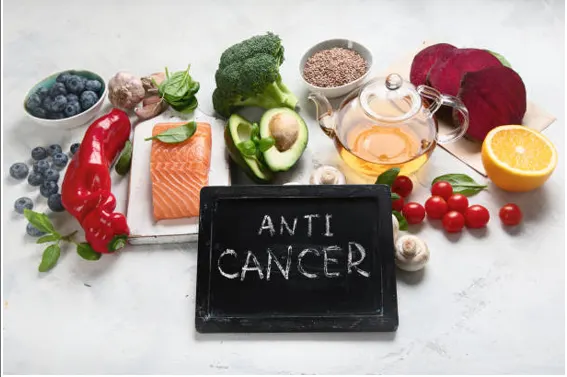
Search “anti-cancer diet,” and you will find miracle foods, detox plans, and claims that one ingredient can prevent cancer. Most of it is noise. Science offers something more measured but far more useful: diet meaningfully affects cancer risk, though no single food is a shield. Roughly a third of common cancers are linked to modifiable factors like diet, weight, and physical activity. Knowing what the evidence supports helps you make choices that genuinely lower risk rather than chasing myths.
Dr. Sandeep Nayak, an internationally acclaimed oncologist in India, states,
“There is no magic food that prevents cancer. What works is a consistent eating pattern: more plants, less processed meat, and a controlled weight. That is where the real evidence lies, not in superfoods or detox regimens.”
With over 24 years of experience, Dr. Nayak has consistently prioritized cancer prevention through accurate public education. His research on diet and colorectal cancer was cited by Nobel laureate Zur Hausen. At MACS Clinic, he offers dedicated diet counseling as part of comprehensive cancer care in Bangalore.
Curious what the research actually proves about food and cancer? Let’s explore the evidence.
What Does Robotic Rectal Cancer Surgery Cost in Bangalore?
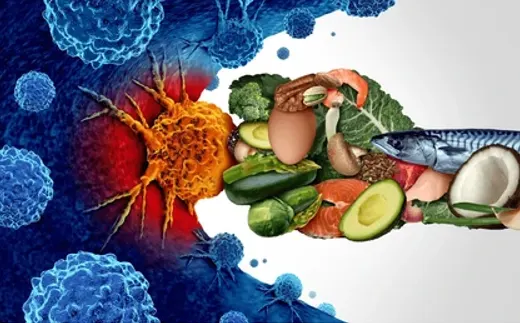
Decades of research have produced clear, if modest, conclusions. Diet influences cancer risk, but through patterns rather than individual foods. Key findings:
- Patterns matter most. Overall eating habits, not single foods, shape long-term risk.
- Weight is central. Obesity is strongly linked to at least 13 types of cancer.
- Plant-rich diets help. Diets high in vegetables, fruits, whole grains, and legumes correlate with lower risk.
- Processed meat is a proven risk. The WHO classifies it as a Group 1 carcinogen.
- No food cures cancer. Diet lowers risk; it does not treat established disease.
The science supports prevention through consistency, not through any single dietary hero.
Which foods actually earn their reputation? Let us look at what holds up.
Foods That May Support Cancer Risk Reduction

No food is a guarantee, but certain categories have consistent evidence behind them:
- Vegetables and fruits. Rich in fiber, antioxidants, and phytochemicals linked to lower risk.
- Cruciferous vegetables. Broccoli, cauliflower, and cabbage contain compounds studied for protective effects.
- Whole grains and fiber. Strongly associated with reduced colorectal cancer
- Legumes and pulses. Provide fiber and plant protein, supporting healthy weight and gut function.
- Nuts and seeds. Offer healthy fats and nutrients in moderate portions.
- Coffee and tea. Observational studies suggest possible protective associations for some cancers.
The common thread is fiber, plant compounds, and support for a healthy weight rather than any one magic ingredient.
Want a diet plan built on evidence, not guesswork?
Get personalized nutrition guidance from a specialist today.
But what should you actually cut back on? Let’s discover the habits linked to higher risk.
Foods and Habits Linked to Higher Cancer Risk
The evidence here is often stronger than for protective foods. These carry established risk:
- Processed meat. Bacon, sausages, and salami are classified as carcinogenic to humans.
- Red meat. Probably carcinogenic in high amounts, particularly linked to colorectal cancer.
- Alcohol. A proven carcinogen linked to cancers of the breast, liver, mouth, and more. No amount is fully safe.
- Excess body weight. One of the strongest modifiable risk factors for multiple cancers.
- Ultra-processed foods. Associated with weight gain and poorer metabolic health.
- Smoking. Not a food, but by far the single largest preventable cause of cancer.
Reducing these consistently offers a greater proven benefit than adding any so-called superfood.
Have you heard claims that sound too good to be true? Let’s discuss the myths worth ignoring.
Common Anti-Cancer Diet Myths Patients Should Avoid
Misinformation about diet causes real anxiety for patients. Here are four of the most persistent myths:
Myth 1: Sugar Alone Causes Cancer
You will often hear that “sugar feeds cancer.” The reality is more nuanced. All cells, healthy and cancerous, use glucose for energy, and cutting sugar does not starve a tumor. The genuine concern is indirect: excess sugar contributes to surplus calories, weight gain, insulin resistance, and poor metabolic health, all of which raise cancer risk over time. The problem is not sugar in isolation, but an imbalanced, calorie-heavy diet. Moderating added sugar as part of overall healthy eating is sensible; treating sugar as a singular villain is not.


Myth 2: Alkaline Diets Can Prevent Cancer
Alkaline diet proponents claim that eating certain foods makes the body less acidic and therefore less hostile to cancer. This misunderstands basic physiology. The body regulates blood pH within an extremely narrow range through the lungs and kidneys, and no food can meaningfully shift it. Diet changes urine pH, not blood pH. There is no credible evidence that alkaline eating prevents or kills cancer. The diet does encourage vegetables and fruits, which is beneficial, but for entirely different reasons than the theory claims.
Myth 3: Supplements Can Replace a Healthy Diet
Supplements are widely marketed for cancer prevention, but the evidence rarely supports taking them blindly. Some high-dose supplements have even shown harm in trials, including increased cancer risk in certain groups. Nutrients work in complex combinations within whole foods, something a pill cannot replicate. A food-first approach is safer and better supported for most people. Supplements have a role in correcting genuine deficiencies, but that should be guided by a doctor rather than self-prescribed for prevention.


Myth 4: Juicing Is Better Than Eating Whole Fruits
Juicing is often presented as a concentrated way to absorb nutrients. In practice, it strips away fiber, one of the most protective components of fruit. Whole fruits provide that fiber, slow sugar absorption, and create better satiety, helping with weight control. Juices deliver a concentrated sugar load with less fullness, which can work against the very metabolic health that lowers cancer risk. Eating the whole fruit is almost always the better choice.
Confused by conflicting diet advice?
Speak with an oncology expert today for clear, evidence-based answers.
So, can the right diet keep cancer away entirely? Let’s explore an honest answer.
Can Diet Prevent Cancer Completely?
The honest answer is no. Diet is one important factor among many, and it cannot guarantee protection.
- Risk reduction, not immunity. A good diet lowers the probability but eliminates no risk entirely.
- Other factors matter. Genetics, age, smoking, infections, and environment all play a part.
- Cancer is multifactorial. No single change controls every pathway involved.
- Screening is still essential. Diet never replaces regular screening and early detection.
Think of diet as one of the strongest levers you control, not as a guarantee. Combined with exercise, avoiding tobacco and alcohol, and regular screening, it meaningfully shifts the odds in your favor. This holistic view underpins quality cancer care at MACS Clinic in Bangalore.
Not sure when general advice is no longer enough? Let’s discuss when to seek expert input.
When Should You Speak to an Oncology Specialist?

General diet advice works fine for most healthy adults. But some situations call for expert guidance:
- A family history of cancer. Genetic risk may warrant personalized prevention and screening advice.
- During or after cancer treatment. Nutritional needs change significantly and require tailored planning.
- Unexplained symptoms. Weight loss, persistent changes in bowel habits, or unusual bleeding need evaluation.
- Conflicting information. When online advice creates confusion or anxiety about food choices.
- Existing conditions. Diabetes, obesity, or metabolic syndrome benefit from specialist dietary support.
An oncologist or oncology dietitian can translate broad guidelines into a plan that fits your specific situation, which is central to comprehensive cancer treatment in Bangalore at MACS Clinic.
Conclusion
The science on an anti-cancer diet is less exciting than the headlines, but far more reliable. No food prevents cancer on its own, and no detox, alkaline plan, or supplement regimen offers protection. What the evidence consistently supports is a pattern: plenty of vegetables, fruits, whole grains, and legumes; limited processed and red meat; minimal alcohol; and a healthy body weight.
Combined with regular screening and avoiding tobacco, these choices meaningfully reduce risk. Dr. Sandeep Nayak and the team at MACS Clinic encourage patients to build habits on evidence rather than fear, offering dedicated diet counseling as part of complete cancer care.
FAQs
1. What is an anti-cancer diet?
It is an eating pattern rich in vegetables, fruits, whole grains, and legumes, low in processed meat and alcohol, that helps lower cancer risk.
2. Can diet alone prevent cancer?
No. Diet reduces risk but cannot eliminate it, since genetics, age, smoking, and other factors also play a role.
3. Does sugar cause cancer?
Not directly. Excess sugar contributes to weight gain and poor metabolic health, which raises cancer risk over time.
4. Do alkaline diets prevent cancer?
No. The body tightly controls blood pH, and no food can change it enough to affect cancer cells.
5. Is processed meat really carcinogenic?
Yes. The WHO classifies processed meat as a Group 1 carcinogen, particularly linked to colorectal cancer.
Disclaimer: The information shared in this content is for educational purposes and not for promotional use.