
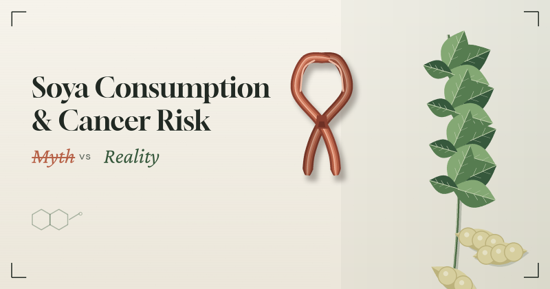
Few foods spark as much confusion as soya. For years, headlines and forwarded messages have warned that soya causes cancer, especially breast cancer, leaving many people afraid to eat tofu, soy milk, or edamame. At the same time, soya is a staple protein for millions and is praised for its heart and bone benefits. So what is the truth? This blog tackles the topic of soya consumption and cancer risk: myth vs reality, examining what scientific research actually proves.
Dr. Sandeep Nayak, a globally acclaimed surgical oncologist in India, explains, “Most fears about soya come from old lab studies on rodents, not humans. In real-world research, moderate soya intake is safe and may even lower cancer risk. Patients should never fear healthy food based on myths.”
Misinformation about food can cause patients real, unnecessary stress, which is why expert guidance matters. Dr. Sandeep Nayak, founder of MACS Clinic, pairs his clinical work with active public education on cancer prevention, regularly clearing up diet myths through talks, interviews, and patient counseling. His approach to cancer treatment in Bangalore goes beyond surgery, equipping patients with the facts they need to eat well and worry less during their journey.
What Soya Is and Why It’s Controversial
What Soya Is and Why It's Controversial
Soya, or soybean, is a plant-based food packed with protein, fiber, and nutrients. The controversy comes down to one thing: isoflavones. Here is why:
A complete protein
Soya provides all essential amino acids, making it valuable for vegetarians and vegans.
Contains isoflavones
These plant compounds are a type of phytoestrogen, which loosely mimics estrogen in the body.
The estrogen worry
Since some breast cancers are fueled by estrogen, people feared soya might raise the risk.

Lab vs life
Early animal studies used high, unrealistic doses, sparking fears that human research has not confirmed.
Confused by conflicting diet advice during cancer treatment? Get trusted guidance from a specialist today.
Wondering what the actual science says? Let’s dive into the research.
What Research Says About Soya and Cancer Risk
Decades of human studies tell a very different story from the old myths. Large population studies, especially in Asia where soya intake is high, show reassuring results:
No increased risk.
Moderate soya consumption does not raise the risk of most cancers in humans.
Possible protection.
Some studies link regular soya intake to a lower risk of certain cancers.

Asian populations.
Countries with high soya diets often show lower breast cancer rates.
Human-relevant doses.
Realistic dietary amounts behave very differently from concentrated lab extracts.
The science consistently points to soya being safe and possibly beneficial when eaten as part of a balanced diet.
Worried specifically about soya and breast cancer? Let’s discover what the evidence shows.
Soya and Breast Cancer: What Evidence Shows
This is where the biggest fears lie, so the evidence matters most. Research on breast cancer patients and survivors is now extensive:
Safe for survivors.
Studies show soya does not increase recurrence risk in breast cancer survivors.
May lower recurrence.
Some research suggests that moderate soya intake may reduce recurrence and improve survival.
Human isoflavones differ.
The phytoestrogens in soya act far more weakly than the body’s own estrogen.

Major bodies agree.
Leading cancer organizations confirm soya foods are safe for breast cancer patients.
These findings are reassuring for anyone undergoing breast cancer treatment in Bangalore who is worried about including soya in their diet.
Already in treatment and unsure about your diet? Get a personalized nutrition plan from an expert today.
How Much Soya Is Safe to Eat
Like any food, balance is key. The good news is that the safe range is generous and easy to achieve:
One to two servings daily.
This is considered safe and beneficial for most people.
What a serving looks like.
Examples include a glass of soy milk, half a cup of tofu, or a handful of edamame.
Whole foods first.
Choose natural soya foods like tofu, tempeh, and edamame over processed options.

Caution with supplements.
Concentrated isoflavone pills are different from food and should be discussed with a doctor.
For most people, enjoying soya as part of a varied diet poses no cancer risk and offers real nutritional benefits.
Conclusion
When it comes to soya consumption and cancer risk, the reality is far less alarming than the myth. Decades of human research show that moderate soya intake is safe and may even offer protection against certain cancers, including breast cancer. The old fears stem from lab studies that do not reflect how soya behaves in the human body.
For patients and survivors alike, soya can be part of a healthy, balanced diet. The key is relying on science, not scare stories. Dr. Sandeep Nayak and the team at MACS Clinic encourage patients to make evidence-based food choices, seeking expert guidance whenever there is doubt.
FAQs
1. Does soya cause cancer?
No. Human studies show moderate soya intake does not cause cancer and may even lower the risk of some cancers.
2. Why do people think soya causes cancer?
The fear comes from old animal studies using very high isoflavone doses, which do not reflect normal human diets.
3. Can soya increase estrogen levels?
Soya contains phytoestrogens that act much more weakly than human estrogen, so they do not meaningfully raise estrogen levels.
4. Does soya affect hormone-sensitive cancers?
In humans, moderate dietary soya does not worsen hormone-sensitive cancers and may be protective in some cases.
5. Can breast cancer survivors eat tofu?
Yes. Tofu and other whole soya foods are safe for survivors and may even support better outcomes.
6. Is soya safe for breast cancer patients?
Yes. Research confirms moderate soya is safe for breast cancer patients and does not increase recurrence risk.
7. Are soya supplements the same as soya foods?
No. Concentrated isoflavone supplements differ from whole soya foods and should be used only with medical advice.
8. Is fermented soya better than regular soya?
Both are healthy. Fermented options like tempeh and miso offer added gut benefits, but all whole soya foods are fine.