

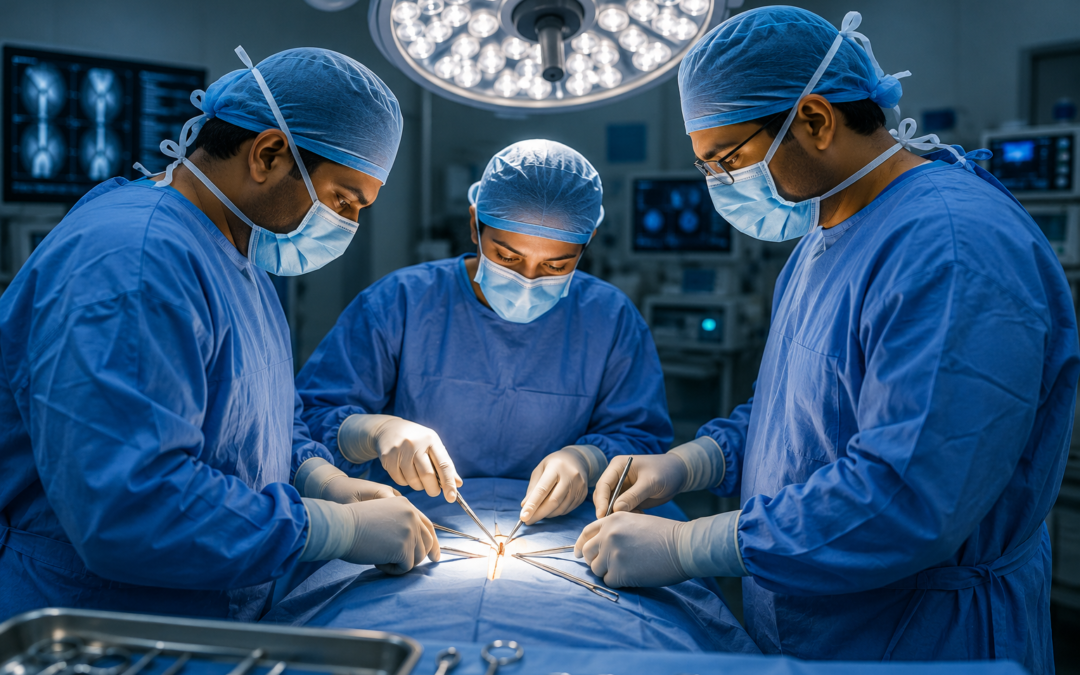
Comes down to a handful of specific situations, mostly. Surgery gets used to treat or prevent a broken bone, ease pain that’s become genuinely unmanageable, or fix and prevent pressure building on the spinal cord. Doctors usually reach for it once radiation or medication alone hasn’t done enough, or when a tumour has weakened a bone to the point it simply can’t hold weight anymore. It’s not the first option most of the time. It’s what happens once the less invasive routes have been tried or clearly aren’t going to be sufficient on their own.
Dr. Sandeep Nayak, who provides Best Cancer Treatment in Bangalore, sees this decision point come up often in advanced cancer care. “Bone metastasis surgery isn’t about curing anything, it’s about function and pain control. If a patient has a weight bearing bone that’s at real risk of fracturing, waiting for that fracture to actually happen is far worse than stabilizing it beforehand. Same with the spine. Once there’s pressure on the cord, acting quickly matters enormously for preserving movement and independence.”
Dealing with bone pain or a diagnosis that’s raised concerns about a weakened bone?
What Specific Situations Actually Call for Surgery?
A few clear patterns show up again and again in deciding whether surgery is the right next step.
A bone that’s at high risk of fracturing. When imaging shows a bone, often the femur or another weight bearing bone, has been weakened enough by tumour involvement that normal activity could cause it to break, surgery to stabilize it beforehand is usually safer than waiting.
A fracture that’s already happened. Once a bone has actually broken due to metastatic weakening, surgical repair is typically needed to restore function and manage pain, since these fractures don’t heal the way a normal break would.
Spinal cord compression. A tumour pressing on the spinal cord can cause serious, sometimes rapid, loss of movement or sensation. This is considered urgent, and surgery is often needed quickly to relieve that pressure before permanent damage sets in.
Pain that isn’t responding to other treatment. When radiation, medication, or both haven’t brought pain under control, surgical stabilization can sometimes achieve what those approaches couldn’t manage alone. Our blog on what is cachexia in cancer patients covers another way advanced cancer affects the body physically, alongside bone involvement, and why addressing these complications matters for overall quality of life.
What Does the Surgery Itself Actually Involve?
The specific approach depends heavily on which bone is affected and how extensive the damage is.
Internal fixation. Metal rods, plates, or screws are used to stabilize a weakened or fractured bone, allowing it to bear weight again without the risk of further breakage.
Joint replacement. When a joint, often the hip, is severely affected, replacing it entirely can restore function more reliably than trying to repair the existing bone structure.
Spinal decompression and stabilization. For spinal cord compression, surgery removes the pressure causing the compression and often stabilizes the spine with hardware to maintain structural support afterward.
Combined with radiation. Surgery and radiation are frequently used together, surgery to address the immediate structural or pressure problem, radiation to target the remaining tumour cells and help prevent further progression at that site.
Why Choose MACS Clinic for Bone Metastasis Management?
Dr. Sandeep Nayak’s team at MACS Clinic treats bone metastasis as a genuine priority within the broader cancer care plan, not something addressed only once a crisis has already happened. Imaging is reviewed carefully to identify bones at real risk before a fracture occurs, allowing for planned, stabilizing surgery rather than emergency intervention after the fact.
For patients managing pain or mobility concerns related to bone involvement, the full care team works together to balance surgical, radiation, and medical approaches based on what each specific situation actually needs. Concerned about bone pain or a weakened bone from advanced cancer? Reach the team at +91 9482202240.
FAQs
Does bone metastasis surgery cure the cancer?
No. It addresses the structural and pain related problems a bone metastasis is causing, not the cancer itself. It’s a functional and comfort focused intervention, used alongside broader cancer treatment.
How urgent is surgery for spinal cord compression?
Very urgent. This is considered a medical emergency in most cases, since delay can lead to permanent loss of movement or sensation. Prompt evaluation and treatment genuinely matter here.
Can someone walk normally again after bone metastasis surgery?
Often yes, particularly when surgery happens before a fracture occurs or promptly after spinal cord compression develops. Outcomes depend heavily on how much damage existed before treatment and the specific bone involved.
Is radiation used instead of surgery, or alongside it?
Both, depending on the situation. Some cases are managed with radiation alone, while others need surgery first to address structural instability, with radiation following to target remaining tumour activity at that site.
Disclaimer: This content is published for educational and informational purposes only.