
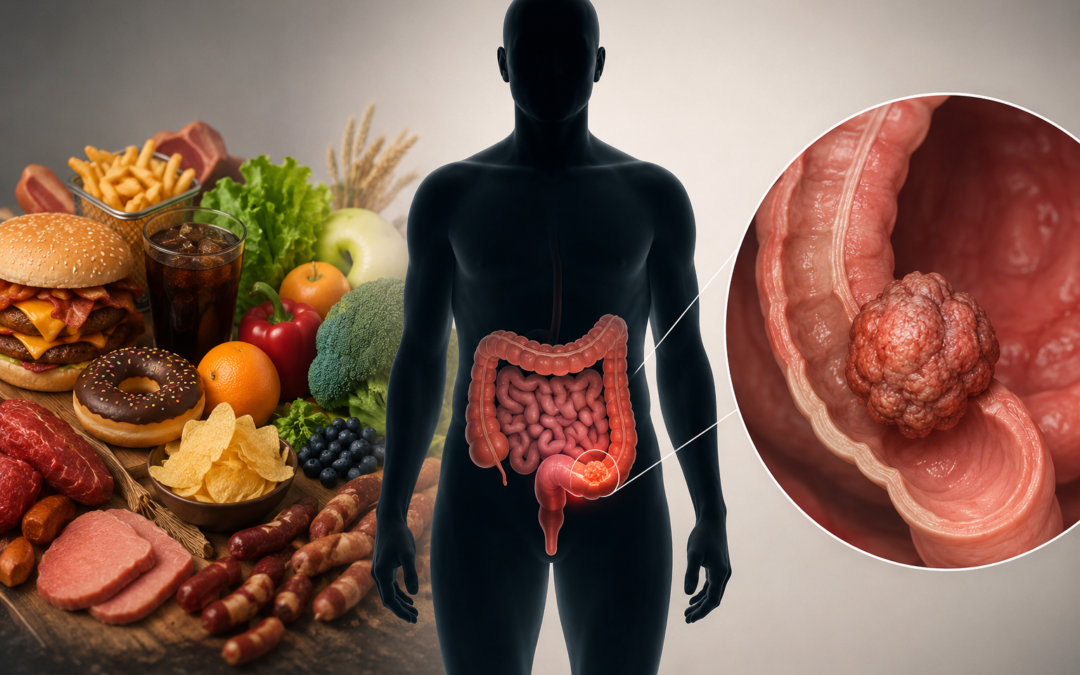
Diet is a real contributor, yes, but calling it the cause oversimplifies what’s going on. Early-onset colorectal cancer, meaning it shows up before 50, has been climbing for a while now, and diet keeps coming up as one of the more consistent factors researchers point to. It’s just not working alone. Lifestyle, changes in gut bacteria, and genetics are all tangled up in the same story, and pulling diet out as the single explanation misses how tightly these things actually interact.
Dr. Sandeep Nayak, known for the Best Cancer Treatment in Bangalore, hears younger colorectal cancer patients ask for one clean answer more often than he can give it. “People want a single thing they did wrong. It’s almost never that tidy. What I usually see is a pattern that built up over years, processed meat, not enough fiber, sugary drinks, not one bad meal or even one bad year. By the time symptoms actually show up, that pattern’s often been running for a couple of decades already, quietly.”
Concerned about your own risk or symptoms?
How Diet Actually Fits Into the Picture?
The link between diet and colorectal cancer isn’t new. What’s newer is how much attention it’s getting specifically for younger patients:
- Processed meat is classified as a Group 1 carcinogen, and the compounds formed during curing can damage colon cell DNA directly with repeated exposure over time
- Diets low in fiber and high in refined carbs and sugar have been tied to changes in gut bacteria that some researchers think play a specific role in early-onset cases
- Excess red meat and low fruit and vegetable intake show up again and again in studies looking at colorectal cancer diagnosed before 50
- These patterns usually start decades before any diagnosis, which is part of why researchers are now looking at diet in childhood and early adulthood, not just eating habits closer to when someone actually gets sick
None of this means one bad diet guarantees cancer, or that eating clean guarantees you’re safe. It shifts risk gradually, over a long stretch of time, which fits with why a rising younger population would trace back to this.
What Else Is Part of the Rise, Beyond Diet?
Diet gets most of the attention because it’s the piece people can actually act on, but it genuinely isn’t acting alone:
- A more sedentary lifestyle and rising obesity rates compound dietary risk rather than sitting off to the side of it
- Changes in gut bacteria, some tied to diet and some to other things like antibiotic use, are an active area of research trying to explain why younger colons specifically seem more vulnerable right now
- Genetics and family history explain a chunk of early-onset cases regardless of diet, and symptoms in younger adults still get waved off too often, mostly because age feels protective when it isn’t
- Some of the rise in numbers is also probably just better awareness, symptoms that used to get dismissed in patients under 50 finally getting looked at properly
Treating diet as the whole explanation misses the other pieces. Treating it as irrelevant misses the one piece that’s actually most within someone’s control.
Why Choose MACS Clinic for Colorectal Cancer Care?
Dr. Sandeep Nayak’s team takes symptoms in younger patients seriously from the first visit, pairing proper diagnostic workup with dietary counselling as part of ongoing care, not a side conversation tacked on only once treatment’s already started. Robotic and minimally invasive techniques are used wherever the case allows, which matters for recovery time and long term bowel function alike. For patients with a family history of colorectal cancer, genetic counselling gets factored into the conversation early rather than raised only after a diagnosis is already confirmed.
Have symptoms or risk factors worth discussing? Reach the team at +91 9482202240.
FAQs
Can changing my diet now undo existing risk?
It can lower risk going forward, but it won’t erase decades of prior exposure. Still worth doing, just not a quick fix for risk that’s already built up.
Is red meat as risky as processed meat here?
Not quite. Processed meat carries stronger evidence and a higher classified risk, though eating a lot of red meat is still linked to elevated risk on its own.
Should someone under 50 change their diet even without symptoms?
Generally a reasonable move either way, since these dietary patterns affect long-term risk whether or not anything feels wrong right now.
If my diet's always been healthy, am I still at risk?
Yes, genetics and gut microbiome factors matter independently of diet. Eating well lowers risk, it just doesn’t erase it completely.
Reference Links
NCI — Colorectal Cancer Rising Among Young Adults
Discusses evidence linking unhealthy dietary patterns, particularly diets high in processed meat and fat and low in fruits and vegetables, with early-onset colorectal cancer.
NCI: Colorectal Cancer Rising Among Young Adults
PubMed — The Role of Diet and Lifestyle in Early-Onset Colorectal Cancer: A Systematic Review
Reviews evidence involving processed meat, sugary drinks, Western dietary patterns, obesity, physical inactivity, and other lifestyle factors.
PubMed: Diet and Lifestyle in Early-Onset CRC
Disclaimer:This content is published for educational and informational purposes only.